When people talk about retiring in Las Vegas, they usually lead with the sunshine, no state income tax, golf, entertainment, and affordable homes compared with much of California and the West Coast. All of that is real. But we also need to be honest about what daily life is like once the moving boxes are unpacked.
Retiring in Las Vegas means adapting to desert heat, rising prices, dust, water rules, and a city built around entertainment. Some folks make these sound like deal-breakers. We have lived here for more than two decades, and honestly, most of these so-called brutal realities are manageable when we choose the right home, neighborhood, and routine.
The key is not pretending the challenges do not exist. The key is putting them in perspective.
Key Takeaways
- Summer heat requires planning, but sunshine, mild winters, and morning outdoor routines are major advantages.
- Housing and everyday costs have risen, though Nevada has no state income tax and many options remain below coastal-market pricing.
- Casinos, scams, water use, and noise are manageable when we set boundaries and choose a home location carefully.
- Established 55-plus communities can provide stable neighborhoods and built-in ways to make friends.
Table of Contents
- The Summer Heat Is Real, but It Does Not Run Everything
- The Cost of Living Has Changed
- Casino Access Is a Real Consideration
- Senior Scams Require Awareness
- Desert Living Is Dry, Dusty, and Beautiful
- Las Vegas Is Not Always Noisy
- Stable Community Is Easier to Find Than People Think
- Choosing the Right Neighborhood Makes the Difference
The Summer Heat Is Real, but It Does Not Run Everything
Yes, Las Vegas gets hot. We have roughly 130 or more days each year above 90 degrees, and summer highs can regularly climb past 110. That is not a typo. There are days when stepping outside feels like opening an oven door.
Still, retiring in Las Vegas does not mean we are trapped indoors for months. It means we plan smarter. Most outdoor activities happen earlier in the morning during July and August. Golf, walking, errands, gardening, and pool time are all much more pleasant before the hottest part of the day.
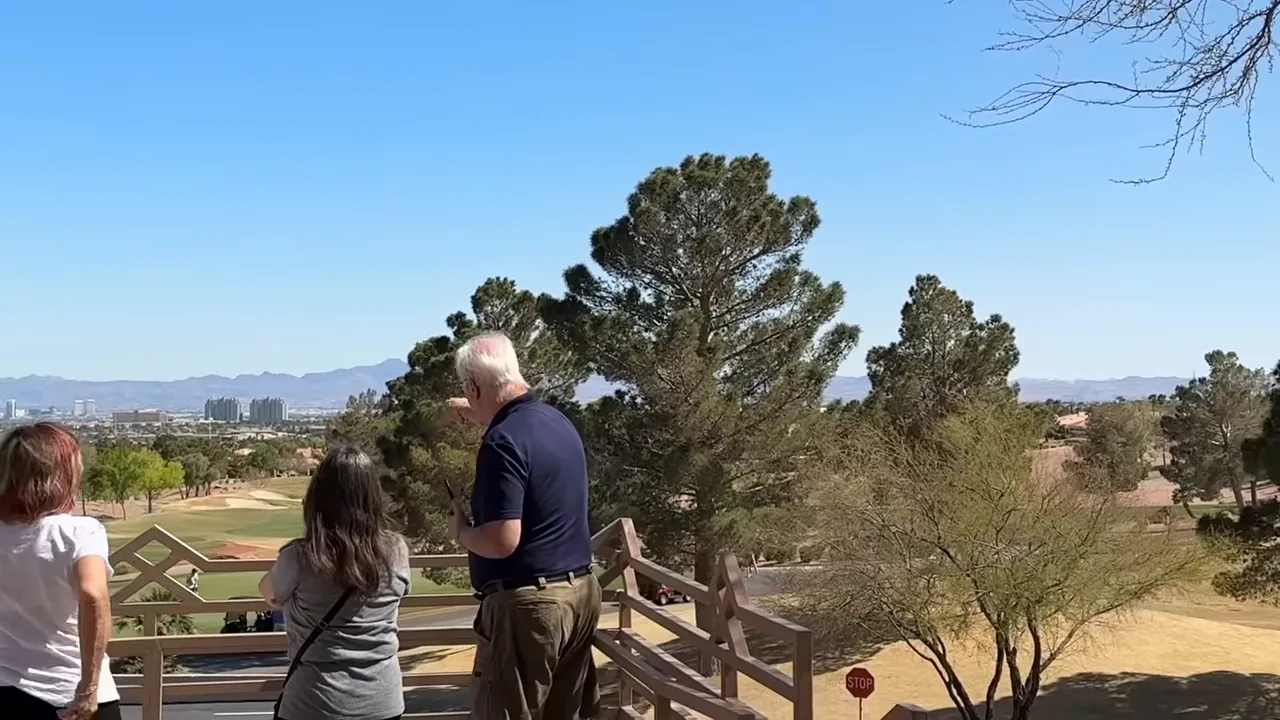
People from cold climates often find the tradeoff worthwhile. We get abundant sunshine, mild winters, and year-round access to golf and outdoor activities. Snow is rare, and when it does show up as a light dusting, seeing it on palm trees is actually pretty fun.
Heat can be a serious concern for people with certain medical conditions. Anyone who is sensitive to extreme temperatures should take that seriously before retiring in Las Vegas. Some residents even spend part of the summer in cooler climates because the heat aggravates a health issue.
How to manage a Las Vegas summer
- Schedule outdoor activities in the early morning.
- Use sunshades and park in the shade whenever possible.
- Keep a cooler in the car for frozen groceries.
- Install blackout curtains in bedrooms where the early sun is bright.
- Use a smart thermostat to adjust temperatures when we leave and return home.
- Have an air conditioning service contact before an emergency happens.
Cooling costs are part of desert life, no question about it. In a larger older home with two air conditioners, a summer power bill can be well over $400 without solar. Newer homes tend to be more efficient, and the reported average bill is far lower. Solar, efficient windows, smart thermostat settings, and regular HVAC maintenance can make a big difference.
If an air conditioner fails during a major heat wave and cannot be repaired quickly, getting a hotel room may be the sensible move. That is not drama. That is simply being prepared.
The Cost of Living Has Changed
The days of Las Vegas being a hidden retirement bargain are over. Retiring in Las Vegas is still often less expensive than living in California, much of the West Coast, the East Coast, or many Midwestern markets, but homes are not dirt cheap anymore.
Median home prices have been in the mid to high $400,000 range. Two-bedroom apartment rents can be around $1,700 per month. HOA fees, particularly in active adult communities, can range from roughly $200 to $350 monthly, with both lower and higher examples out there.
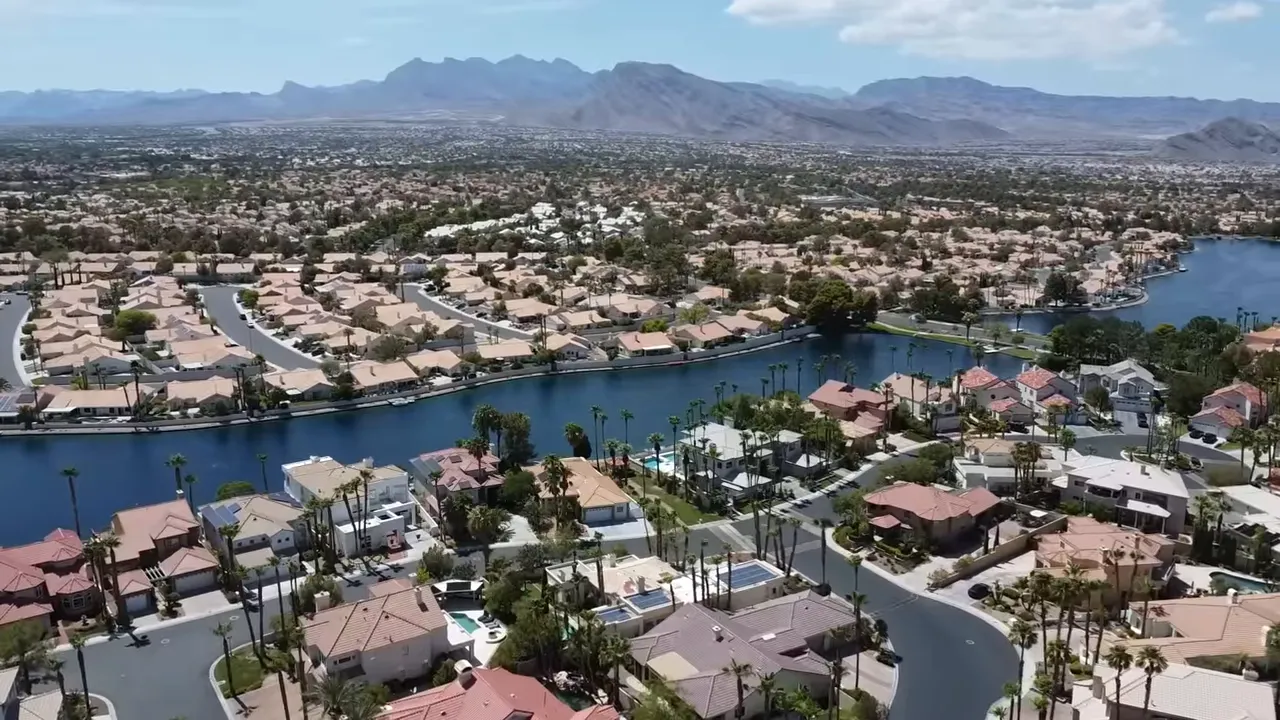
Demand is a major reason prices have risen. People come here from all over the country, and many of us arrived as out-of-state buyers ourselves. Inflation has also affected every part of the budget, from food and gas to insurance and home repairs. That hits retirees living on fixed income especially hard, whether they are in Nevada, Iowa, or anywhere else.
There are still opportunities for retiring in Las Vegas in the $300,000s and $400,000s, depending on the home, location, condition, and willingness to update a property. We just need realistic expectations. A home may require compromises, cosmetic work, or a different neighborhood than we originally pictured.
And about those wild Strip prices, local life is not the same as vacation life. Most retirees are not dining on the Strip every weekend. The suburbs have plenty of excellent restaurants, entertainment, grocery stores, and services without the tourist price tag.
Casino Access Is a Real Consideration
Retiring in Las Vegas puts casinos and sports books within easy reach. Local rewards cards, gaming promotions, big sporting events, restaurants, movie theaters, game rooms, and indoor activities can make casinos a convenient place to socialize.

For many people, low-stakes gambling is just entertainment. Some enjoy putting a small bet on a game, sitting in a sports book with giant screens everywhere, and enjoying the atmosphere. Others, like us, are not much interested in gambling at all. There is no rule saying we have to participate simply because we live here.
But it would be foolish to deny the risk. Financial losses can be devastating when gambling becomes compulsive, especially for someone on a fixed income. Easy access can make an existing problem worse.
Las Vegas has long had resources for problem gambling, in part because Nevada has dealt with legalized gambling longer than most places. The honest test is simple: if gambling has been a problem before moving, retiring in Las Vegas may not be the best fit. With betting now available in so many places, though, a gambling problem usually does not begin solely because someone changes cities.
Senior Scams Require Awareness
One of the more serious concerns when retiring in Las Vegas is financial fraud aimed at older adults. Nevada ranks among the top states for senior-targeted scams, and the local 65-plus population is growing quickly. Where older adults live, scammers will go looking.
Common threats include fake contractors, home repair scams, investment fraud, romance scams, and urgent calls or messages claiming that a grandchild needs money immediately.
Contractor scams deserve special attention in a desert market where homes need HVAC work, roofing, landscaping, pool maintenance, and repairs. A dishonest contractor may use fake license information, collect deposits, and disappear without doing the work.
The best defense is slowing down. If something feels off, it probably is. Never give personal information or money to an unexpected caller. Do not rush because someone demands immediate payment. Ask a friend or family member for a second opinion before signing paperwork or sending funds.
There is help available through Nevada’s Senior Protection Unit in the attorney general’s office. Many HOAs and 55-plus communities also offer educational programs about fraud awareness. Retiring in Las Vegas should include building a trusted circle of neighbors, friends, family, and professionals who can help us spot something that does not look right.
Desert Living Is Dry, Dusty, and Beautiful
Retiring in Las Vegas means living in a true desert environment. Las Vegas gets less than five inches of rain annually. We do not get many rainy days, and when rain comes, most of us enjoy it.
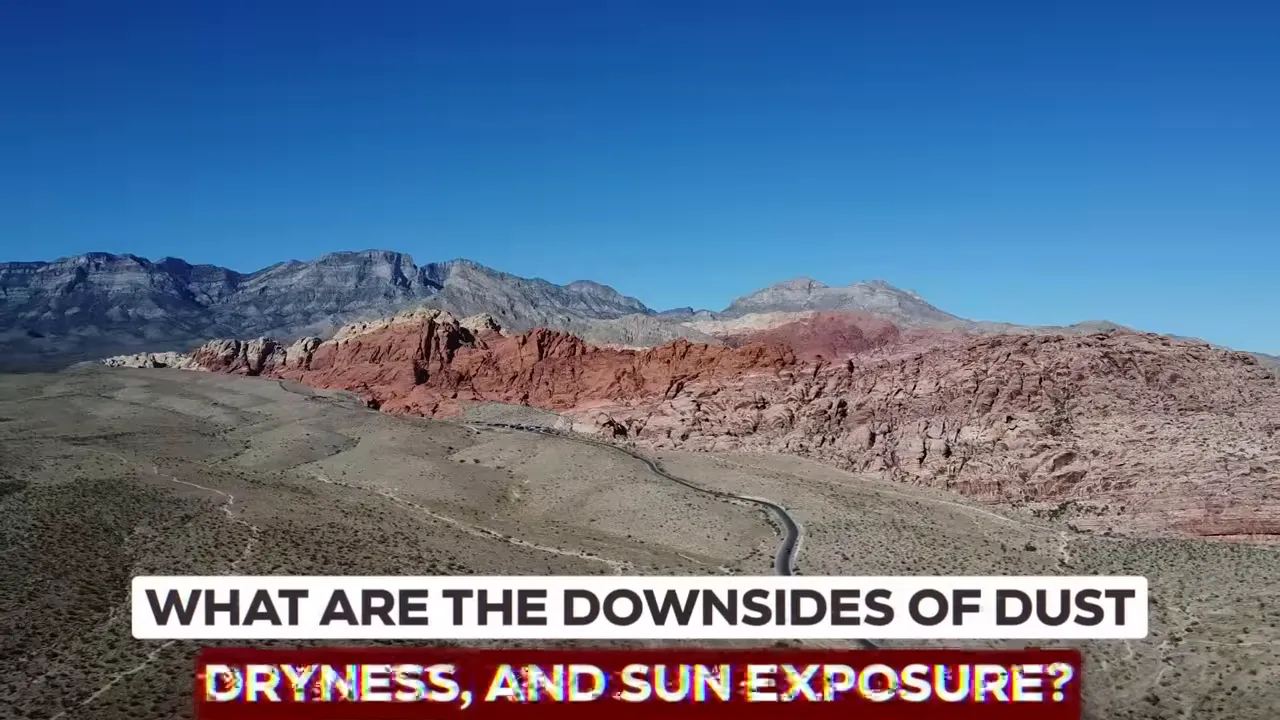
The dryness has practical effects. Dust builds up, so cars need washing and HVAC filters need attention. A good rule from an HVAC professional is to use affordable filters and replace them every month rather than using overly dense filters that make the system work harder.
Dry air can affect skin, sinuses, and hydration. Moisturizer and plenty of water go a long way. Some people find the climate helps their breathing or skin conditions, while others find it aggravates them. This one is individual. We should spend time here in different seasons if respiratory health is a concern.
The sun is also hard on paint, outdoor furniture, and some roof materials. Concrete tile roofs hold up well, but the desert climate should absolutely be part of our home maintenance planning.
On the positive side, desert landscaping can be low maintenance and absolutely beautiful. New homes generally do not allow new lawns, and there are programs that may pay homeowners per square foot to replace grass with water-efficient desert landscaping.
Water restrictions deserve attention too. In Las Vegas, tiered water pricing can affect owners of large lots more than those on typical smaller retirement-community lots. Monitor irrigation carefully. A hidden leak can waste water, damage a home, and create a painful bill. An automatic main-water shutoff can offer some useful protection.
Las Vegas Is Not Always Noisy
The city never sleeps, but that does not mean every neighborhood is loud all night. Retiring in Las Vegas can be remarkably peaceful if we are strategic about location.
Fireworks can be irritating around the Fourth of July and New Year’s Eve. We may occasionally hear a backyard party, landscaping equipment, traffic, or kids cheering at a nearby ball field. But daily fireworks and constant Strip noise are not the normal suburban experience.
Noise is mostly a location issue. Homes near busy streets, highways, the 215, or Summerlin Parkway will have more traffic sound. Homes right on a major road are generally not what we recommend for someone prioritizing quiet.
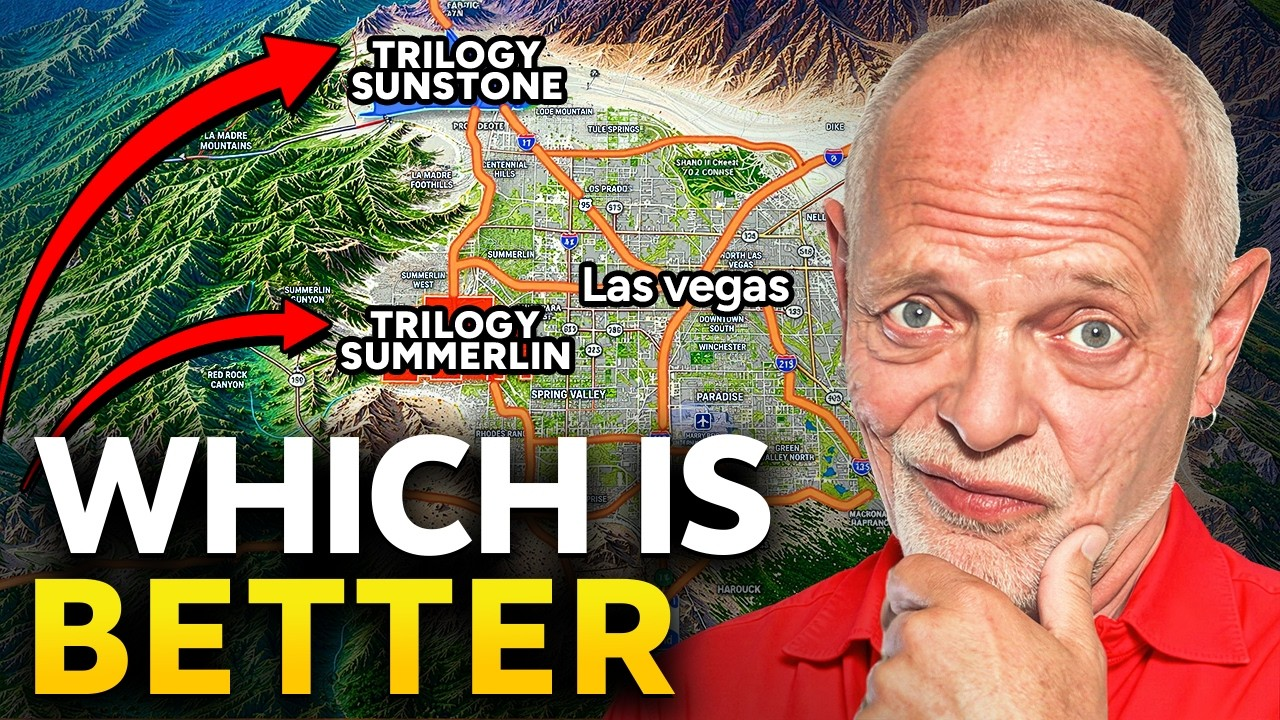
Lake Las Vegas is one of the quieter areas we have experienced. Parts of Summerlin can also be peaceful, as long as we pay attention to the exact street and nearby traffic routes. Even from several miles from the Strip, major events like Formula 1 may be more visible in the city than audible from home.
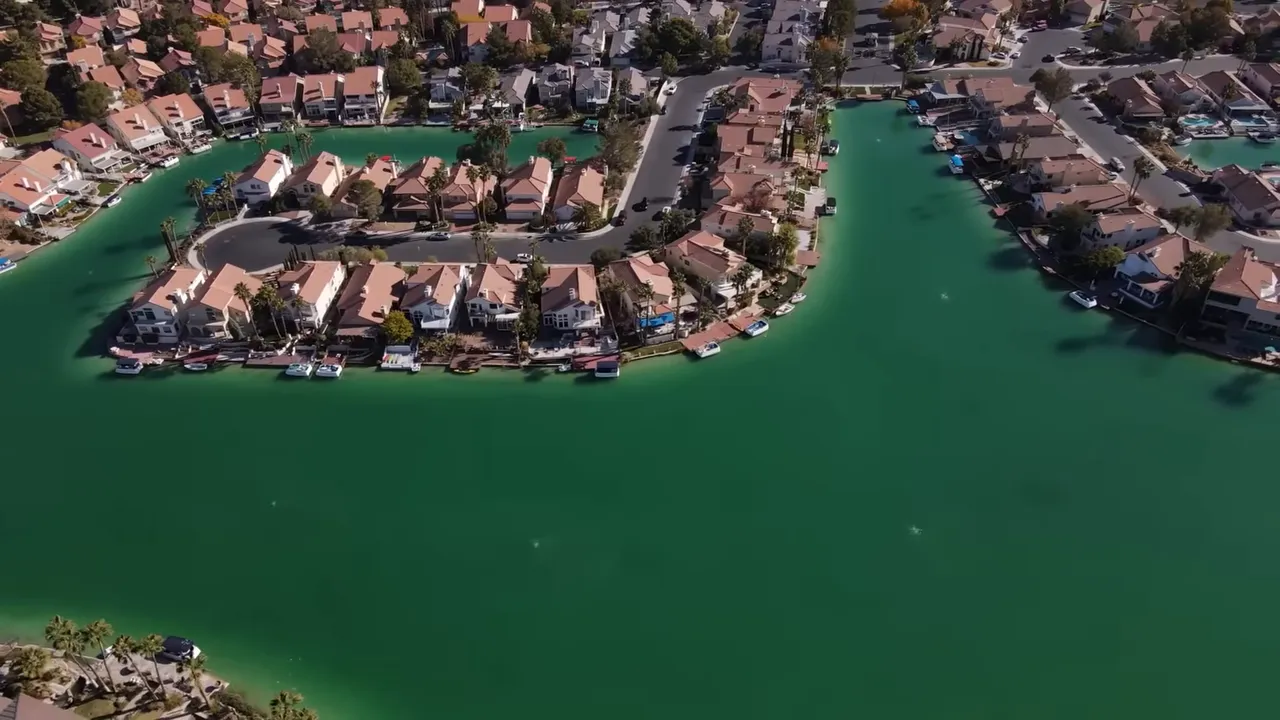
When retiring in Las Vegas, visit the exact property at different times if possible. Stand in the backyard. Sit in the living room. Listen for traffic. The neighborhood may be wonderful, but the location within that neighborhood still matters.
Stable Community Is Easier to Find Than People Think
Las Vegas has a reputation for being transient, and there is some truth to that. Entertainers, hospitality workers, people trying to break into the entertainment business, and short-term residents can come and go quickly.
That is not the same thing as life in established suburban and active adult communities. Retiring in Las Vegas within a 55-plus community often means meeting residents who have been there for years. When people leave, it is more often because of health needs, a move closer to family, or a transition to a higher level of care, not because they are chasing a Strip career.
Seasonal residents do come and go. We may miss friends when they head to a second home for part of the year, but there are plenty of people here year-round. The upside is fresh energy and new perspectives. People move here from all over the country, so conversations tend to be interesting.
Active adult communities are particularly strong for social connection. Clubs, events, fitness activities, golf, hobby groups, and community programming make it easier to meet people after leaving the built-in social structure of work.

Friendships do not just fall out of the sky after retirement. We have to put ourselves out there. But when we do, retiring in Las Vegas can offer a very full social life.
Choosing the Right Neighborhood Makes the Difference
The reality is that retiring in Las Vegas is not one experience. A quiet home near a lake, an active 55-plus golf community, a low-maintenance home in Henderson, and a house near a busy freeway all create completely different daily lives.
Before buying, we should think beyond the home itself:
- How close are we to grocery stores, doctors, restaurants, and family?
- Do we want an active community calendar or a quieter setting?
- Can we handle HOA fees alongside our fixed income?
- How does the home manage sun exposure, cooling, and outdoor space?
- Is the street peaceful, or is it close to a highway, busy road, or commercial activity?
- Will the desert climate work well with our health and preferred lifestyle?
The seven brutal realities are not really reasons to rule out retiring in Las Vegas. They are reasons to choose carefully. The people who thrive here are not the ones who ignore the heat, costs, or desert conditions. They are the ones who understand them, prepare for them, and find a neighborhood that checks the right boxes.
Frequently Asked Questions About Retiring in Las Vegas
Is retiring in Las Vegas affordable?
Retiring in Las Vegas is no longer the bargain it once was, with median home prices in the mid to high $400,000s and rising everyday costs. Still, it can be less expensive than California, much of the West Coast, the East Coast, and other higher-cost markets, especially because Nevada has no state income tax.
How difficult is the Las Vegas summer heat for retirees?
The heat is intense, especially from June through September, and temperatures can exceed 110 degrees. Most residents adapt by doing outdoor activities early, staying hydrated, maintaining their air conditioning, and planning errands around the hottest hours.
Are 55-plus communities in Las Vegas stable?
Yes. Although Las Vegas has a transient reputation, established 55-plus communities tend to have stable long-term residents. These communities also offer clubs, events, and activities that make it easier to build connections after retirement.
What should we consider before retiring in Las Vegas?
Consider heat tolerance, healthcare needs, fixed-income budgeting, HOA fees, home energy efficiency, desert maintenance, water use, nearby traffic, and the social environment you want. The exact neighborhood and street can matter just as much as the home itself.