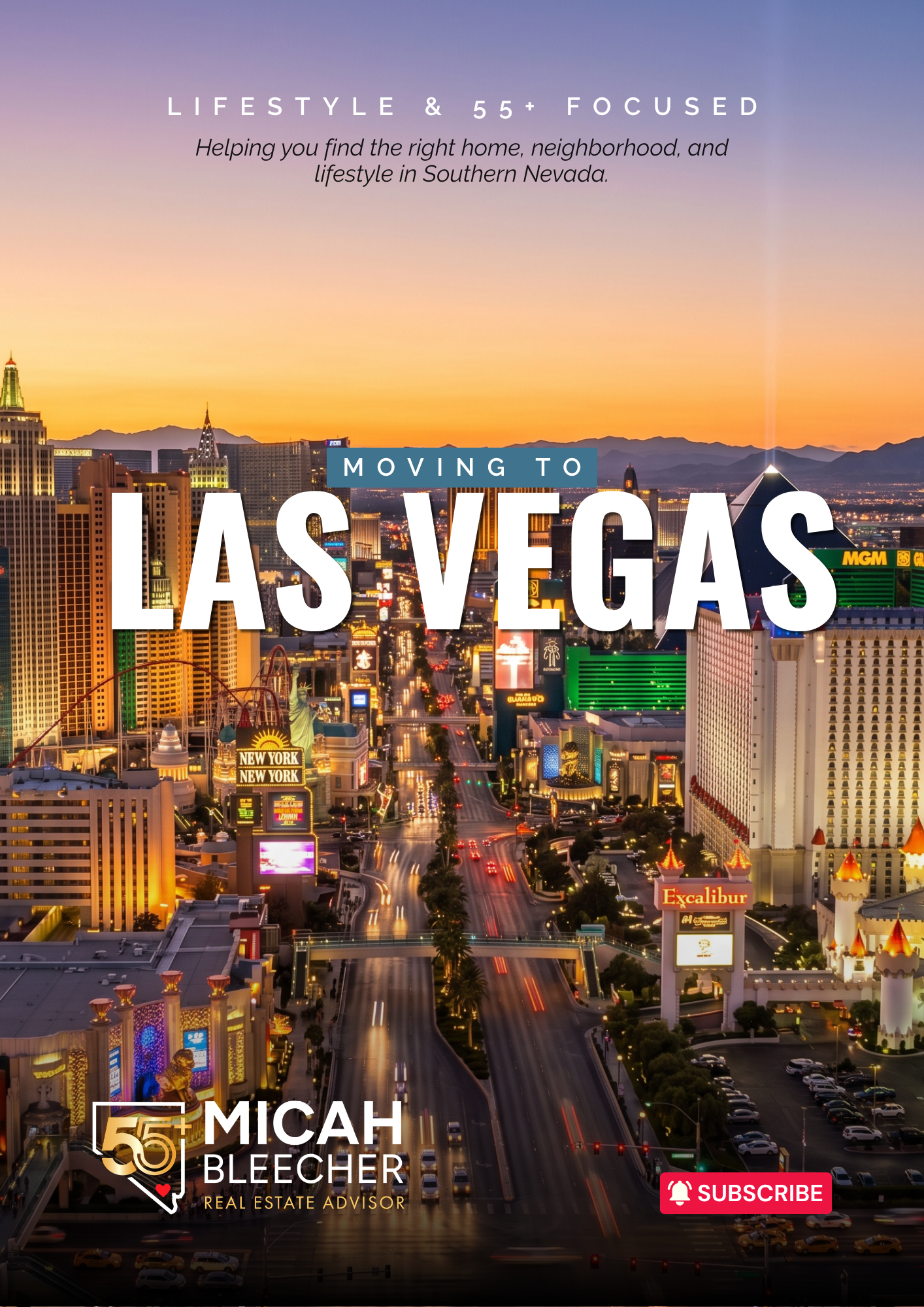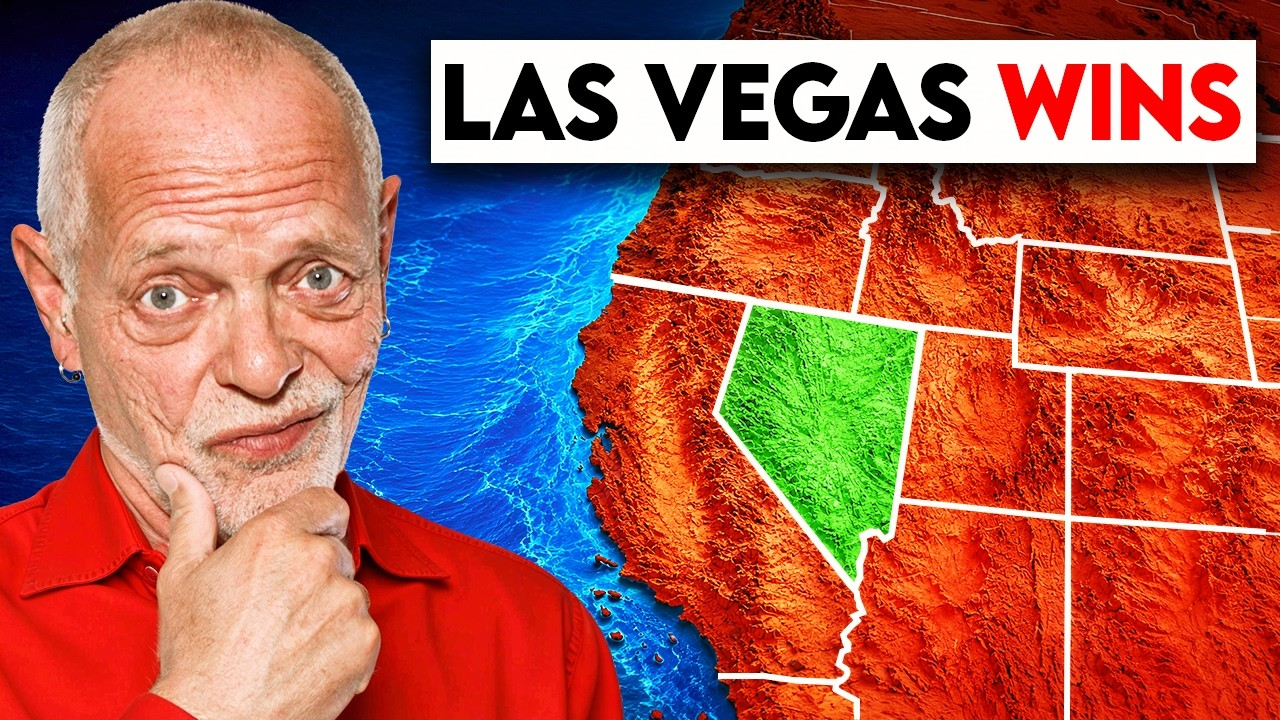
Las Vegas used to be known as cheap, hot, and built almost entirely around casinos. And sure, some of that old Las Vegas is still here. But if that is the only picture we have in our heads, we are looking at a city that no longer exists.
After more than two decades in this market, the biggest surprise is not just how much Las Vegas has grown. It is how much it continues to improve. Retirees are moving here for reasons that have very little to do with penny slots, shrimp cocktails, and one wild weekend on the Strip.
Table of Contents
- 1. Homes Are Not Dirt Cheap Anymore
- 2. Las Vegas Is Not Simply Running Out of Water
- 3. Las Vegas Is More Than a Party Town
- 4. There Is Plenty to Do Without Gambling
- 5. Professional Sports Changed Everything
- 6. The Heat Is Real, but It Is Not Automatically a Deal Breaker
- 7. Healthcare Is Still Challenged, but It Has Improved Dramatically
- 8. No State Income Tax Has Not Been Eaten Up by Every Other Expense
- 9. 55 Plus Community Options Are No Longer Limited
- 10. Getting Around Town Is Not the Nightmare Many People Expect
1. Homes Are Not Dirt Cheap Anymore
There was a time when Las Vegas was one of the least expensive major cities in America to buy a home. Those days are gone. The median price of a single family home in the Las Vegas Valley now sits slightly above the national median.
Las Vegas can still look far more affordable to buyers arriving from California and other high cost markets. But affordable compared with coastal California is not the same thing as cheap. The reason is simple: the dirt underneath the house is no longer cheap either.
Las Vegas is essentially an island in the Mojave Desert. Much of the land surrounding the valley is federally controlled, including land managed by the Bureau of Land Management. Releasing more buildable land often takes an act of Congress, so the vast stretches of desert around us are not automatically available for housing.
That is why development keeps moving outward and why buildable acreage has become so valuable. A bare acre in the middle of the valley can cost roughly $800,000 to $900,000 when one can be found. Even land at the edges of the valley can run well over $500,000 per acre. Prime residential land in Summerlin West has sold for far more.
Construction materials are not necessarily the problem. It is the limited supply of land combined with steady demand from people who want to live here. Las Vegas may still offer relative value, but it is no longer a bargain basement housing market.
2. Las Vegas Is Not Simply Running Out of Water
Water is a legitimate concern, and we should never dismiss it. Lake Mead and the Colorado River remain under serious pressure, and the Southwest has difficult decisions ahead. But the idea that Las Vegas is doing nothing, or cannot continue to function because it is out of water, does not match what has happened here.
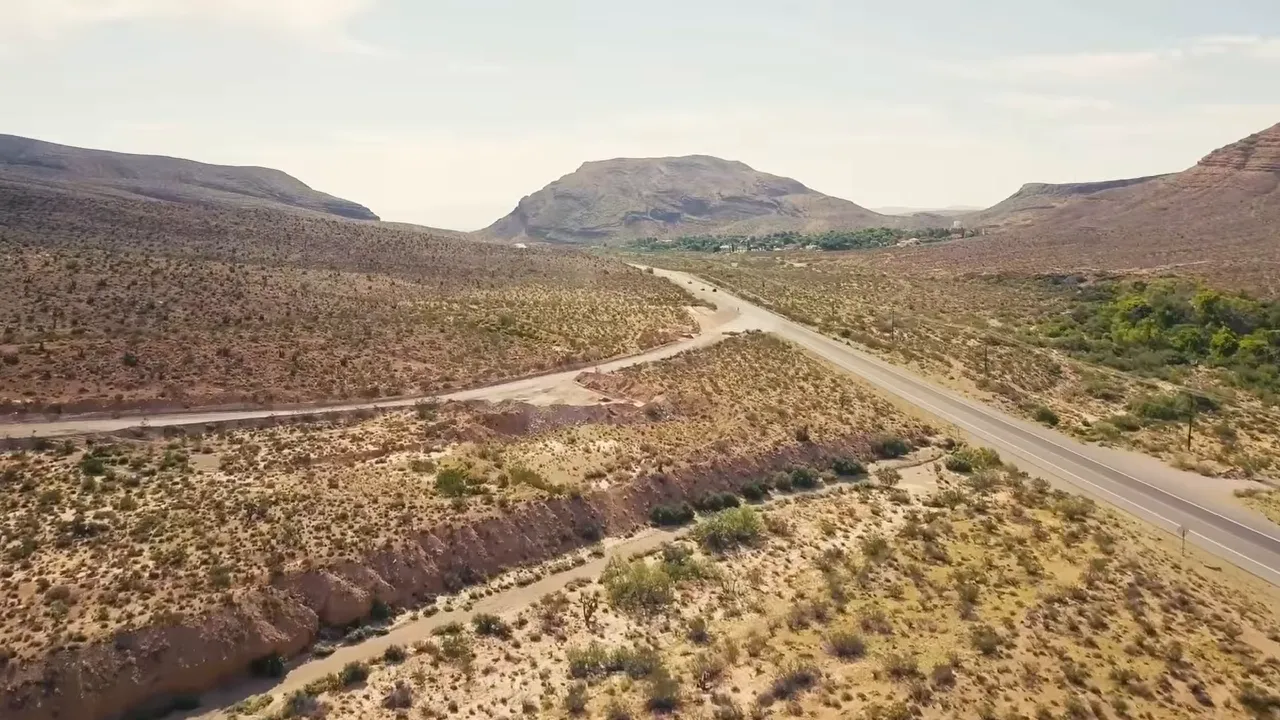
Since 2002, Southern Nevada has used about 40 billion fewer gallons of water even as the population has nearly doubled. That did not happen by accident. The region has taken conservation very seriously for a long time.
Almost every drop of indoor water is captured, treated, recycled, and returned to Lake Mead. Water used outdoors is different. It does not return to the system, which is why nonfunctional grass has been removed and replaced with desert landscaping. Done well, desert landscaping can be colorful, lush, and beautiful without relying on thirsty lawns.
Las Vegas also uses only a portion of its Colorado River allocation, has replenished groundwater aquifers, and has an intake valve near the bottom of Lake Mead. That intake was designed to continue drawing water even at very low lake levels. None of this means we get to ignore the challenge. It means Las Vegas has been taking action while continuing to grow.
3. Las Vegas Is More Than a Party Town
The old image is hard to shake. Cheap buffets, free drinks, free parking, casino floors, and people arriving for a weekend they may or may not remember. For a long time, Las Vegas marketed itself that way.
But the business model changed. Visitors now come for restaurants, concerts, festivals, sports, shopping, conventions, and entertainment that have very little to do with gambling. The Strip is still a major part of the city, but it is not the whole city.
Summerlin grew from raw desert and a master plan into a city within a city, with Downtown Summerlin, parks, trails, hospitals, restaurants, a hockey arena, and a professional ballpark. Downtown has changed too. Symphony Park, the Smith Center, and the Arts District have helped create real neighborhoods filled with galleries, breweries, antique shops, restaurants, and live music.
For most locals, the Strip is a little like the guest room in the house. We pay more attention to it when company comes to town.
4. There Is Plenty to Do Without Gambling
We do not gamble, and we have managed to stay pretty darn busy. Gaming now accounts for only around one quarter of Strip resort revenue. Hotel rooms lead the way, followed by gaming, food, entertainment, and all the other experiences people come here to enjoy.
Beyond the city, we have world class recreation close by. Red Rock Canyon is about 30 minutes from the Strip for hiking and biking. Mount Charleston offers cooler summer temperatures. Lake Mead is there for boating and kayaking, and Valley of Fire delivers some of the most dramatic red sandstone scenery anywhere.
Daily life can be as busy or relaxed as we want it to be. We can golf, garden, cycle, volunteer, take classes, or play pickleball. In many 55 plus communities, the activity calendar can be busier than the work calendar ever was. There are clubs, fitness classes, ceramic studios, concerts, dances, and social events. Around here, plenty of people know more about pickleball scoring than blackjack.
5. Professional Sports Changed Everything
When we first arrived, Las Vegas did not have a single major professional sports team. We had boxing, occasional racing events, and minor league sports. That conventional wisdom did not age well.
Today, the Vegas Golden Knights have brought home a Stanley Cup. The Las Vegas Aces have delivered championship basketball. Formula 1 races down the Strip each November, NASCAR runs regular events at Las Vegas Motor Speedway, and UFC is headquartered here.
The Las Vegas Aviators play in a highly regarded ballpark in Downtown Summerlin, a major change from the old Cashman Field days. Major League Baseball is also on the way, with the Athletics scheduled to play their first Las Vegas game in 2028. We went from no major teams to collecting sports franchises like refrigerator magnets.
6. The Heat Is Real, but It Is Not Automatically a Deal Breaker
Las Vegas is hot in the summer. We are not going to pretend that 110 degree weather is comfortable just because it is dry. An air fryer is dry heat too.
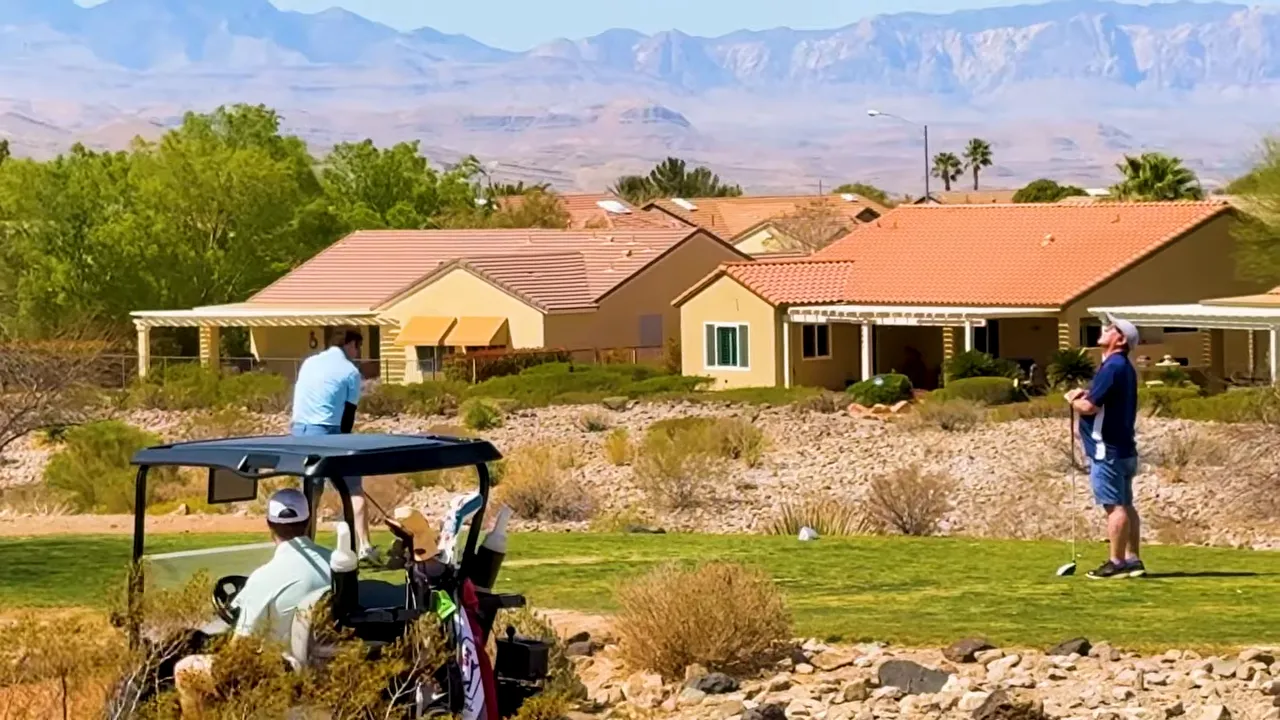
Living here is different from arriving during a heat wave. People adjust their routines. Golfers book early tee times. Walkers, joggers, cyclists, and gardeners get outside before the heat really arrives. Some afternoons are better suited for indoor activities, but that does not mean people are locked indoors for months.
Las Vegas is built for the climate. Newer homes have better insulation, efficient HVAC systems, and modern building materials. Most places are well air conditioned, and 55 plus communities offer pools, fitness centers, and air conditioned gathering spaces.
Summer electric bills can be higher, especially in older homes. Maintaining the air conditioner is not optional. If it quits in July, that repair belongs at the top of the list. Still, summer is only one season. Fall, winter, and spring bring mild days, cool evenings, and more than 300 days of sunshine each year. Every part of the country has a season when people spend more time indoors. Up north, they call it winter. Here, we call it summer.
7. Healthcare Is Still Challenged, but It Has Improved Dramatically
We need to be straight about healthcare. Las Vegas has challenges, and some criticism of Nevada healthcare rankings is deserved. Finding the right specialist can take time. Healthcare is not perfect here, and it would not be fair to tell anyone otherwise.
But the assumption that good care cannot be found in Las Vegas is outdated. Over the last two decades, hospitals, medical centers, and specialty care have expanded throughout the valley. UNLV now has a Level One Trauma Center and a medical system graduating new doctors. The Cleveland Clinic Lou Ruvo Center for Brain Health is also here.
Our own experience has involved more surgeries, doctors, hospitals, and specialists than we ever wanted. We have found good primary care, cardiology, rheumatology, and orthopedic care. We have also had to replace a few doctors along the way, because sometimes that is part of being our own advocate.
The best healthcare we receive is often the care we give ourselves between appointments. But for retirees evaluating a move, the honest answer is that care has improved substantially, while still requiring thoughtful research based on individual needs.
8. No State Income Tax Has Not Been Eaten Up by Every Other Expense
HOA fees, insurance, utilities, and home prices all matter. Every household needs to run its own numbers. But Nevada still has no state income tax on pensions, retirement account withdrawals, or Social Security income.
Property taxes are about 25 percent lower than the national average, and many people arriving from other states are surprised by how low their tax bill looks. Home insurance can also be lower than expected, although car insurance is notably expensive here.
For some retirees, the savings are not just a few dollars a month. Removing state income tax and lowering property taxes can materially change a long term retirement plan. The right comparison is not whether Las Vegas has zero expenses. It is what we receive here compared with the alternatives we are considering.
|
9. 55 Plus Community Options Are No Longer Limited
When we first moved here, the 55 plus choices were limited. There was one giant community, a few smaller options, and several communities just getting started. Today, retirees have options galore.
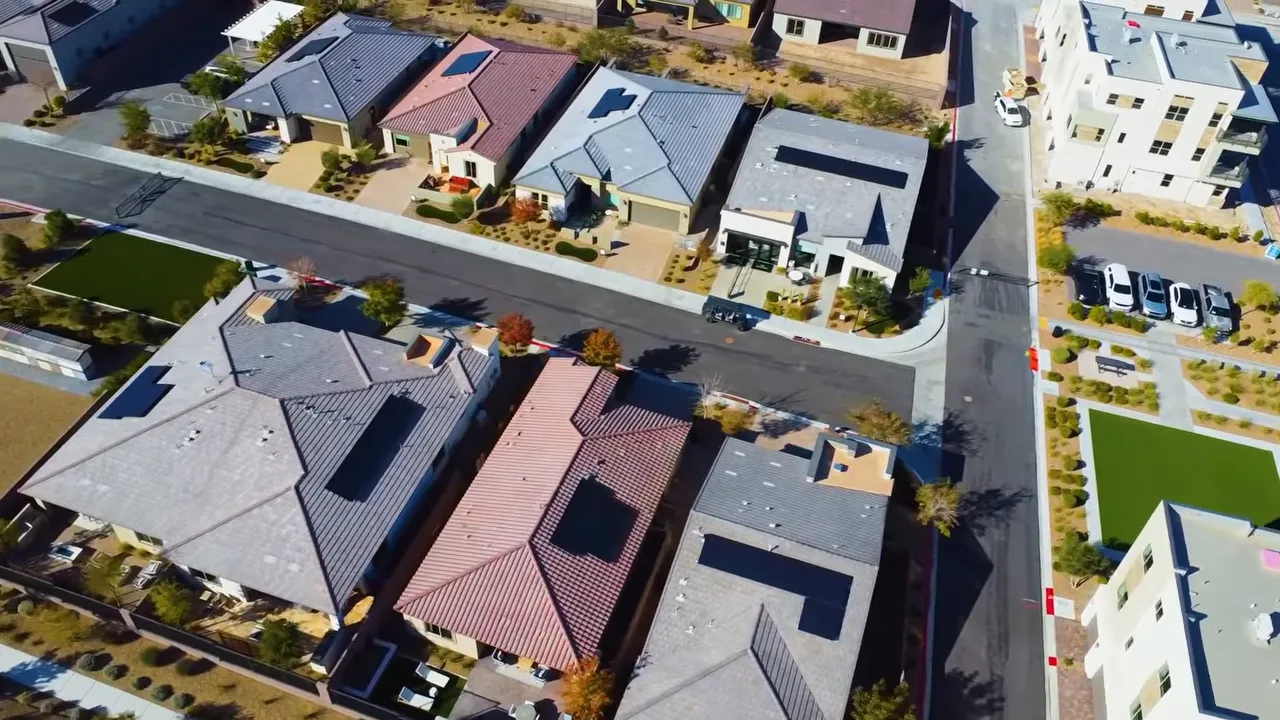
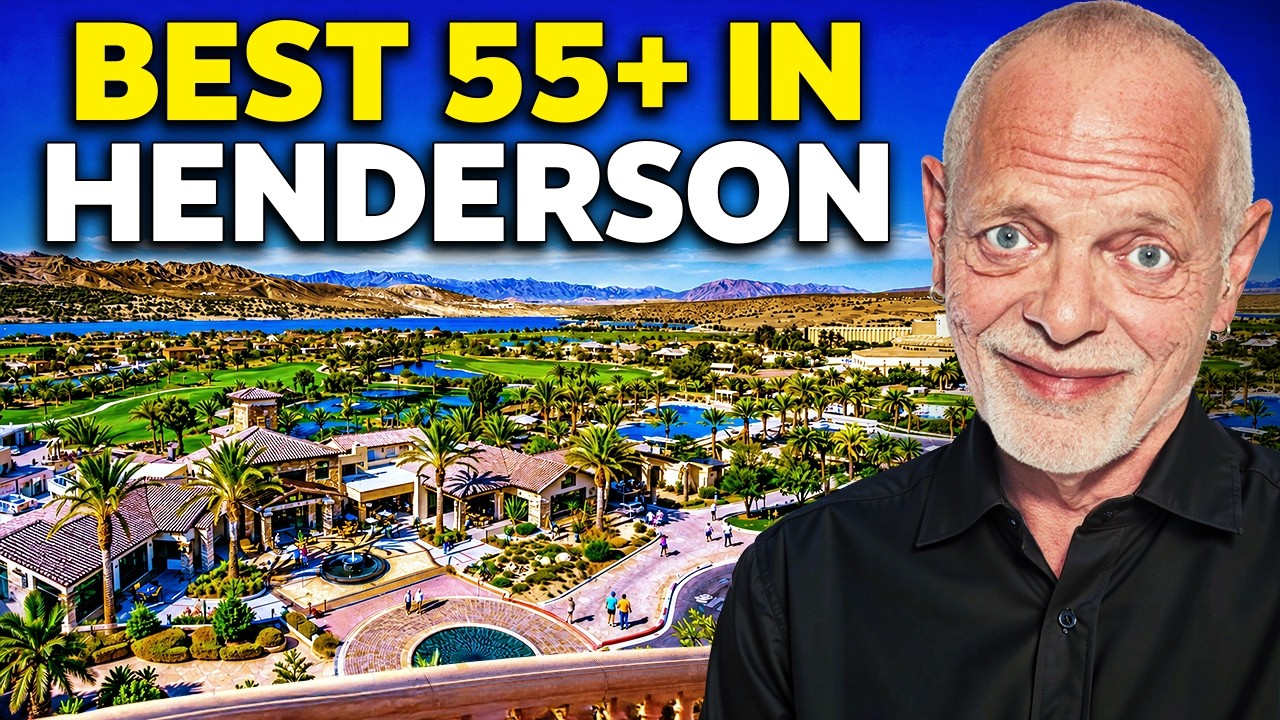
Large communities such as Sun City Summerlin and Sun City Anthem offer extensive amenities and active lifestyles. Smaller communities have their own personality, location, and fee structures. Some are guard gated, some include golf, some have multiple clubhouses, and some are quiet and simple with fewer HOA fees.
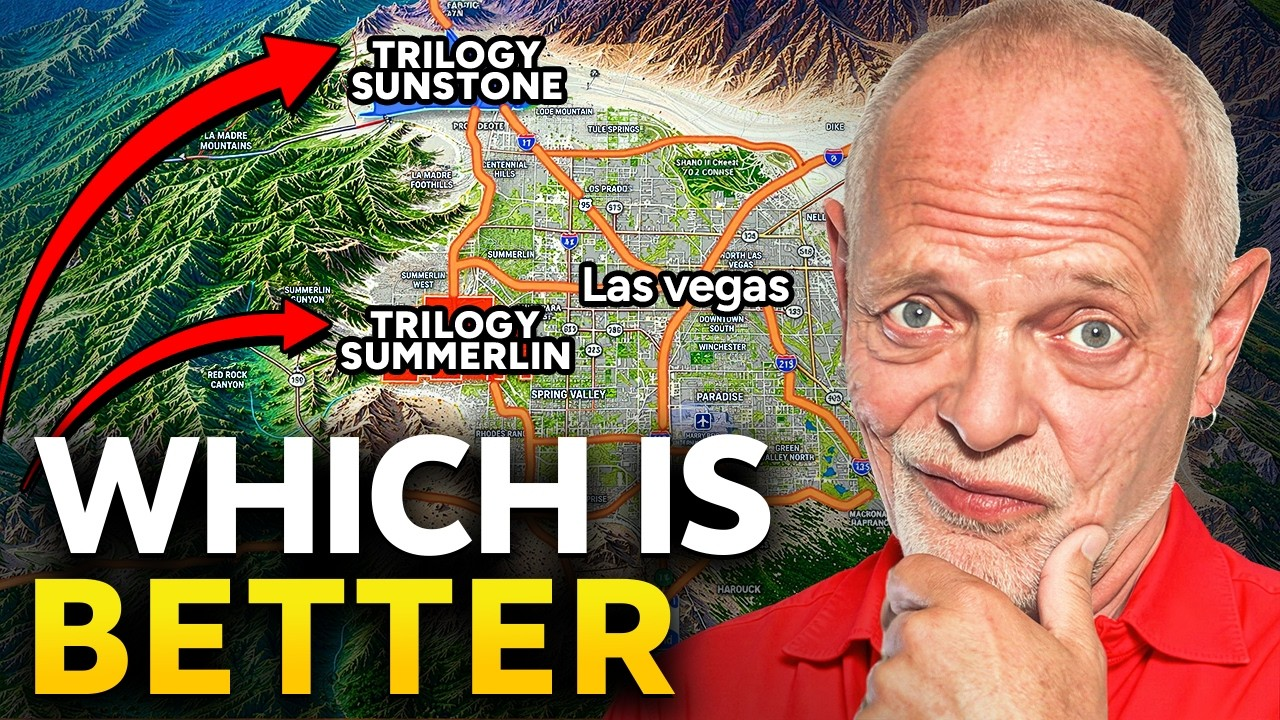
There is even new construction available, including resort style options at Trilogy Sunstone. Homes range from relatively affordable resales to high end new construction. We can choose the part of town, the home style, the amenities, and the level of activity that genuinely fit our lifestyle rather than being forced into one or two choices.
10. Getting Around Town Is Not the Nightmare Many People Expect
Las Vegas has doubled in size, but infrastructure has changed right along with it. When we first arrived, much of the 215 Beltway did not exist and roadways were constantly under construction. Today, the 215 connects southeast Henderson, Summerlin, the northwest valley, North Las Vegas, and Interstate 15.
It is still a car town. Public transportation has room to improve, although it continues to develop. The Las Vegas Loop is already operating around the Convention Center and several major resorts, with expansion plans underway. Whether it becomes everyday transportation for locals remains to be seen, but it is no longer just an idea.
Technology is changing the equation too. Self driving features can be particularly helpful for retirees who feel uncomfortable driving at night or navigating long distances across the valley. Las Vegas is spread out, but it is surprisingly navigable compared with many larger metro areas.
The Las Vegas we retire to today is not the city it was 24 years ago. Housing costs, water conservation, healthcare, sports, transportation, and 55 plus living have all changed. The old stereotypes are not completely made up, but they are incomplete. For many retirees, the real Las Vegas is a sunny, active, connected, and increasingly practical place to call home.
Frequently Asked Questions About Retiring in Las Vegas
Is Las Vegas still affordable for retirees?
It is no longer a cheap housing market, but many buyers still find Las Vegas more affordable than California and other high cost regions. The lack of state income tax and relatively low property taxes can also improve the overall retirement budget.
Is water a serious concern when moving to Las Vegas?
Water is a serious regional issue, but Southern Nevada has invested heavily in indoor water recycling, outdoor conservation, aquifer replenishment, and infrastructure designed to access Lake Mead at low levels.
Can we live in Las Vegas without gambling?
Absolutely. Local life includes hiking, golf, cycling, classes, volunteering, pickleball, professional sports, restaurants, arts, community clubs, and nearby outdoor destinations such as Red Rock Canyon and Lake Mead.
How difficult is the Las Vegas summer heat?
Summer heat is intense, particularly in July and August. Most residents adjust by scheduling outdoor activities early, using air conditioned amenities, and enjoying the mild fall, winter, and spring seasons.