The Truth About Buying a Home in Las Vegas, Nevada
There are problems with Las Vegas homes that could cost you thousands of dollars, and most buyers and sellers never find out about them until it's too late. Not because the information doesn't exist, but because the person showing you the house has little to no incentive to bring it up. After 25 years in the Las Vegas market, I'm exposing it all: the stuff about this market specifically that I check on every single home, the conversations I have that many agents avoid, and the one mistake I see sellers make over and over again that kills transactions before they even get started.
You find a house online. The photos look great, kitchen's updated, backyard looks amazing. Then you walk in and the agent is basically pointing out everything you already saw on the listing. That's not doing much for you. When I'm with a buyer, I am their advocate. As far as the house goes, I'm the devil's advocate. I'm trying to find out everything that's wrong with the house and what's right, too. I'm not trying to talk anyone out of buying, but I do want people to know exactly what they're buying before they get attached to a home.
When you're touring to buy a house, you already know what you like about it. You picked the house, you saw the photos, and you don't need me telling you that the kitchen looks nice. What I do instead is pay attention to the things that could cost you money later. I look at every house with a critical eye. Every house, even if it looks perfect, there's gonna be something wrong with it. Most of the time these things are easily overcome if we can get our heads around them, but sometimes they get in the way of a transaction, and that's why I want to know about it early.
Table of Contents
- Hidden Renovation Issues: What's Really New?
- HVAC, Electrical, and Plumbing: The Expensive Systems
- Water Damage, Hard Water, and Irrigation Problems
- Professional Inspections: What They Catch and What They Miss
- Backyard Direction and the Las Vegas Sun
- Construction Defects and Kitec Plumbing
- Choosing the Right Area Before You Fall in Love
- HOA Fees and Lifestyle Trade-Offs
- Reverse Mortgages (HECM for Purchase) for Buyers 62+
- The Pricing Mistake That Kills Listings
- Pre-Listing Inspections: Why Sellers Should Do Them
- Professional Photography and Online Marketing
- Conclusion
Hidden Renovation Issues: What's Really New?
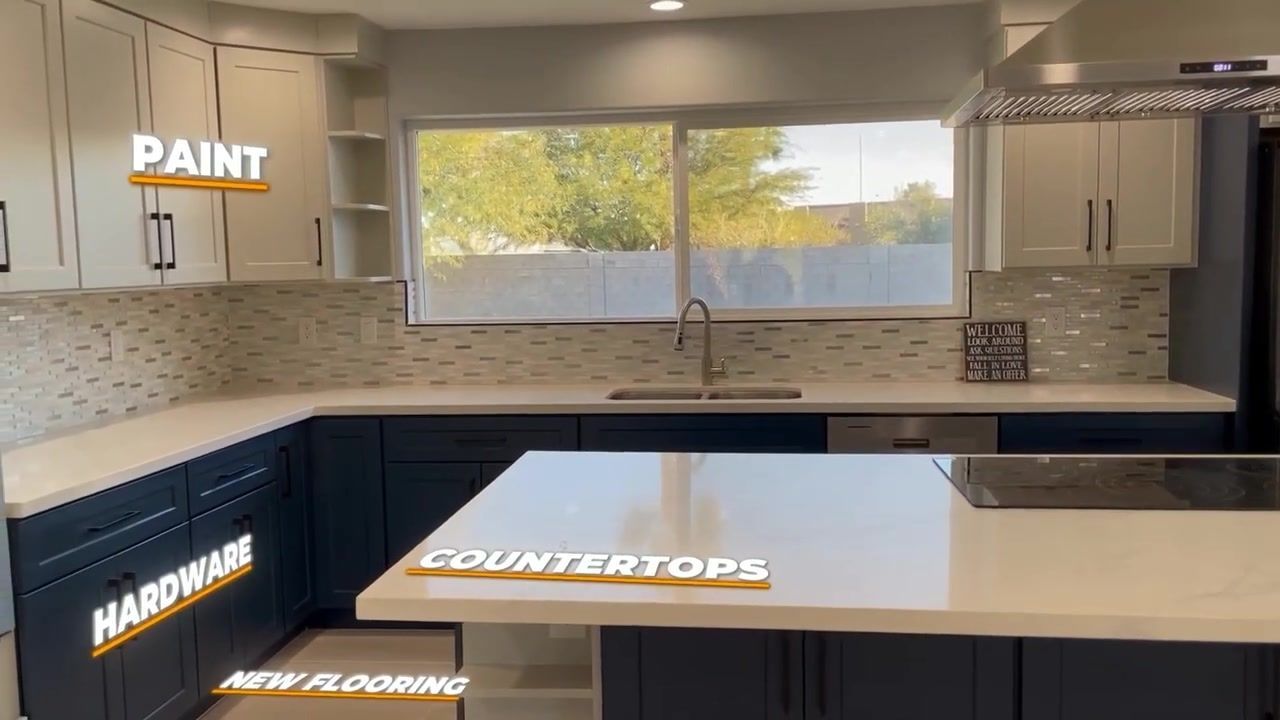
This is especially important with remodeled homes and flips. New flooring, countertops, hardware, and paint can make a house look completely renovated when many of the expensive systems underneath are still original. I want to know what was actually replaced, who did the work if possible, and whether it was permitted if permits were necessary. I look closely at what appears to be new. Are these actually new cabinets or were the original cabinets painted without being properly prepared? Was the bathtub replaced or merely reglazed? Are there changes in wall textures, bulges, or patches that might show where previous work was performed?
The quality of the small details often tells you something about the quality of the entire renovation. It's very important that we keep our eyes on that. I'm not a home inspector, that's not my job, but there are certain things I check every time we walk into a house. Not everybody is aware of what's been done to a home over the years, especially if it's changed hands a few times. The information may just never have made it to the current homeowner. That happens sometimes. And so we always have to ask.
HVAC, Electrical, and Plumbing: The Expensive Systems
A very important thing to look at is air conditioning. Here in Las Vegas, that's usually the biggest expense a homeowner can run into. When it's 110 degrees outside, you don't want to find out after closing that the system is near its end of life. So I'll take a photo of the label and I will research it and I will find out how old it is, the tonnage, how big it is, and if it's getting up there in age, well, that's something we need to discuss before writing an offer. The system might be working just fine right now, but if it's old and getting close to the end of its life, the house needs to be priced for that. We have to calculate that and check it.
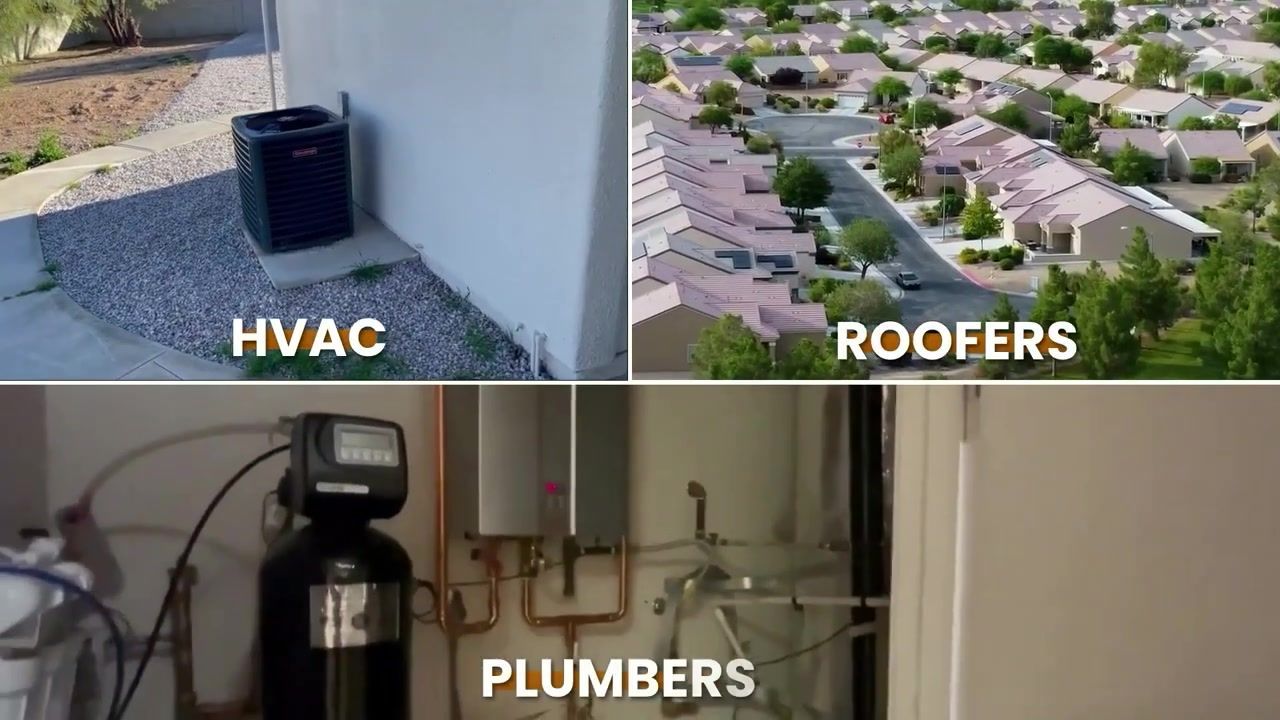
I also like looking at the electrical panels. I'm looking for its age, the type of panel, and especially signs of amateur work and whether upgrades appear to have been permitted. Inside the house, I look for GFCI protections in the wet areas, missing cover plates, exposed wiring, and other obvious electrical concerns. I also like looking under the sinks. I look in funny places. I want to see if it's messy or wet. I look for water stains, soft cabinet bottoms, and signs of old leaks. Sometimes it's minor, but other times it means that there's a problem that has been hanging around for a while. I just want a buyer to go into a transaction with the idea that it's in reasonably good shape before we ever get into the inspections. The buyer pays for the inspections, and if there are any deal breakers, you can cancel and get your earnest money back, but you still have to pay for the inspection.
Water Damage, Hard Water, and Irrigation Problems
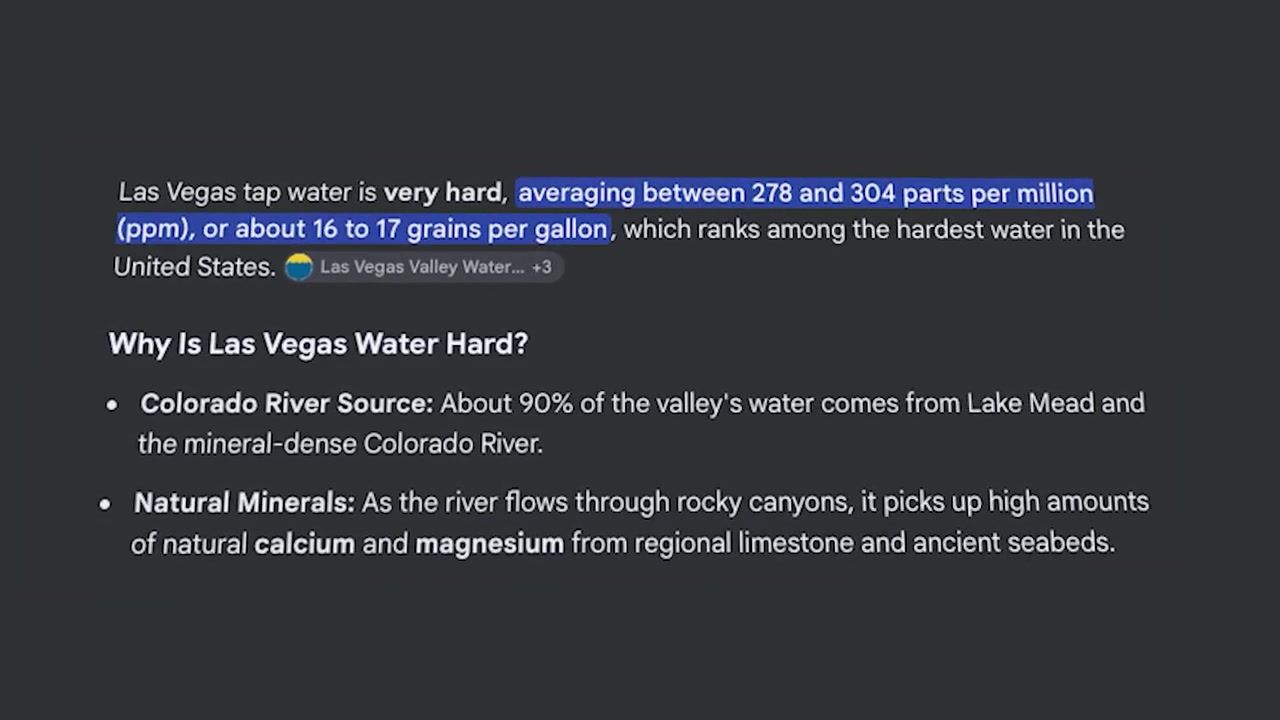
Water problems aren't limited to the inside. Outside, I look at where the irrigation is spraying and whether plants are growing directly against the house. When irrigation repeatedly hits the stucco, it can cause bubbling, crumbling, and spalling of the foundation. That's not good. In fact, it could also cause mold inside the house. Fresh paint may cover it temporarily, but it does not correct the moisture problem.
I also check for a water softener. Is it functioning? Is it older? That's important. Las Vegas has hard water, and the house, if it doesn't already have one, probably needs a water softener. And that's another expense. A reverse osmosis water filter is separate from the water softener. The water filter actually is a system that lives under the sink in most cases, and it filters out through a semi-permeable membrane, and it removes the vast majority of dissolved solids, chlorine, heavy metals, and other contaminants while delivering cleaner tasting water than comes out of the tap. It really tastes good. Most residential installations include a dedicated faucet at the sink plus a separate line that feeds the refrigerator and the ice maker so that your drinking water dispenser and your ice maker water is purified and tastes just as good as the water at the tap.
Sewer Lines, Trees, and Underground Issues
On older homes most inspectors will recommend a sewer scope and I do too around 20 years old. A standard home inspection does not look inside the sewer line and take a picture all the way to the street. For a relatively small cost, around $375, you can find out if there are cracks, root intrusions, and other issues underground before they become your problem. I also pay attention to mature trees near the house. Roots can affect sewer lines, block walls, pool decking, and sometimes the foundation. If I see a large tree near an older sewer line and it's cracking in the surrounding concrete or walls, that deserves a closer look.
If there's a pool or a spa, I look for rust, stains, cracking, water loss, deteriorated decking, and aging equipment. A regular home inspection doesn't always cover or evaluate the pool. Some inspectors also do that for a small fee, but a separate pool inspection may make sense. I'm also looking at block walls, cracks, driveway cracks, movement in exterior concrete. From the ground, I look for displaced or lifted roof tiles, debris collecting on the roof in the valleys, deteriorated fascia boards, damaged eaves, and water stains. Fresh exterior paint can make everything look clean while concealing rotted wood or recurring moisture.
Professional Inspections: What They Catch and What They Miss
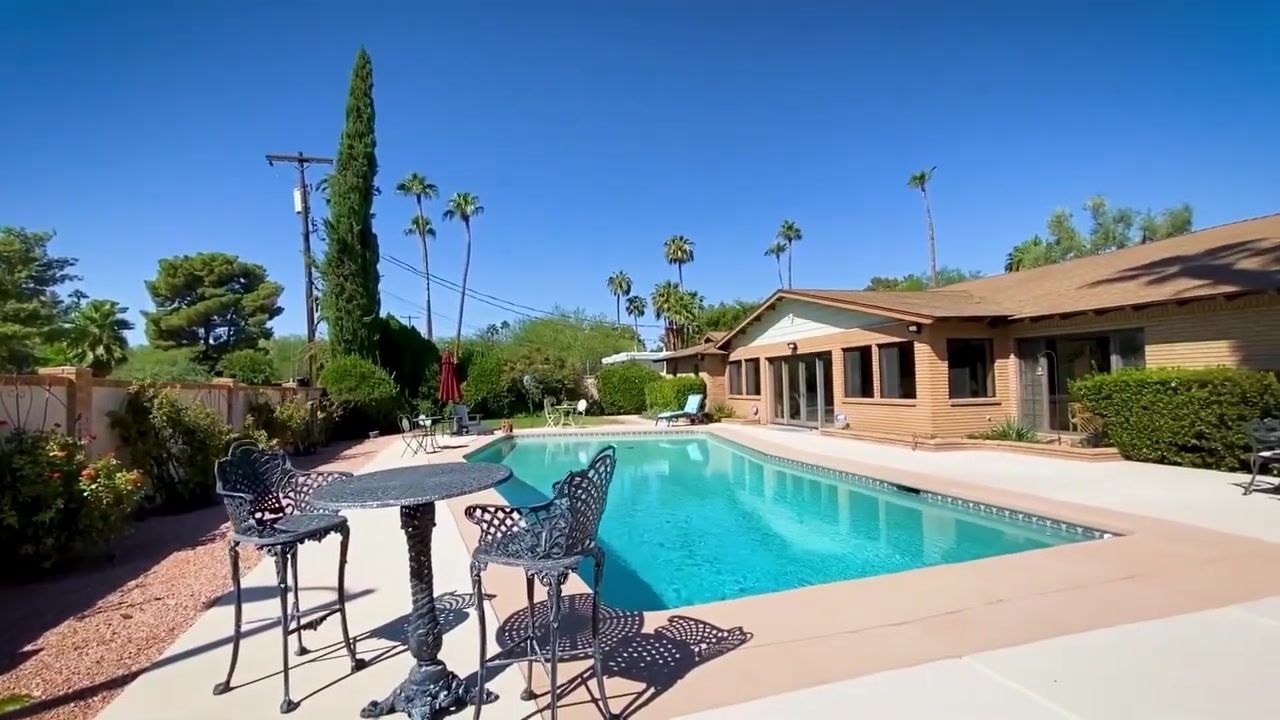
Professional inspectors make sure that it's actually a good house. General building inspectors run around $500. They don't catch absolutely everything, but they're very good. Other specialty inspectors like HVAC, roofers, and plumbers, they're a little bit more. The building inspector checks out the roof, but if he finds problems, he'll likely recommend a roofing contractor to take an extra look, and they need to determine what's happening underneath the surface and make sure everything's correct. Honestly, roofs here stand up pretty well compared to most parts of the country, and most new roofs are slated to last 30 to 50 years.
Also look at the garage doors. It's framing, the weather damage, safety reversal systems, the tracks, the seals, and the surrounding wood. Las Vegas heat and sun can be particularly hard on garage doors, exterior trim, and the seals. None of these individual items make a house bad automatically. There really is no bad house as long as we get it at the correct price. The question is whether the problems are understood, whether they can be corrected, and whether the price leaves enough room to handle them. My job is to help you see the whole house and not just the parts the listing was designed to show you.
Backyard Direction and the Las Vegas Sun
The backyard is another thing I put an eye on because the direction that the house faces can make a big difference in the Las Vegas sun. A west-facing backyard takes the afternoon sun during the hottest part of the day. In the middle of the summer, that's probably the last place you'll want to sit. So you may not get nearly as much use out of that space as you expected. If you find the perfect home that has a south-facing backyard, don't worry because you can mitigate that in many ways. But most of the time it's better to find one that's facing north or east. They tend to get more shade later in the day. When, you know, people hang out in the backyard.
We do spend a lot of time all year out in the backyard, even in the summer when the sun goes down. So look for power lines, busy streets, future development on nearby vacant land so we can look up the ownership and try to get an idea of what might be happening there. At the end of the day, every house has trade-offs. No house checks every single box. So we prioritize the boxes. We help you identify which issues are manageable, which ones affect value, and which ones are deal breakers for you.
Construction Defects and Kitec Plumbing
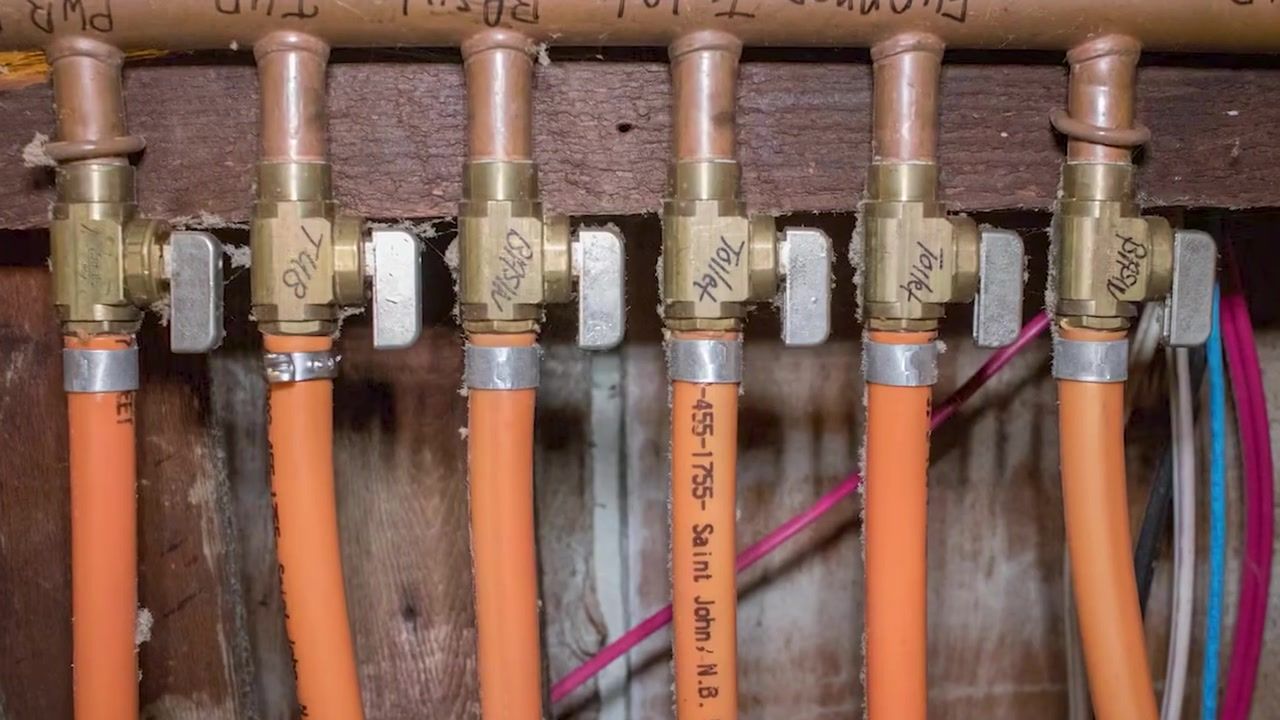
Let's talk about construction defects. Another thing I ask for on resale homes that most agents never request is construction defect disclosures, and this is pretty specific to Las Vegas. The Las Vegas Valley grew very fast during the late 1990s and early 2000s and then some, so neighborhoods were going up all over the place, and most of those homes turned out great, but some had issues back then. When problems showed up, homeowners or HOAs would sometimes file a claim against the builder, and those records can still matter to a buyer years later. That's why I ask for these disclosures. I wanna know if there is any history tied to the property or the HOA before we get too far into the process.
One of the best known examples of construction defects here in Las Vegas is Kitec plumbing, and we're talking about the fittings and not the plastic pipes themselves. They were installed in homes all over the valley from about the mid-1990s into the early 2000s, and those fittings had a history of failing over time. Hard water apparently did not agree with those fittings, and over time they would literally fall apart and flood the house. So there was a big lawsuit, and people were awarded money to replumb, refit the plumbing in their homes as part of a settlement. Most homeowners took that money and got the plumbing done, and a few did not. So it's something that we always have to check for.
I like to go to the county and look up permits and make sure that the process was completed properly. Although that said, one of the best ways to know that you don't have Kitec fittings anymore is that the house hasn't flooded because those were done a long time ago and had they still been there, it would've flooded by now. But Nevada requires sellers to disclose problems they know about. The issue is they could only tell you what they know. So I'll go to the city website and actually try to look up building permits. If a house has changed owners a few times over the years, the current seller may have no idea a construction defect claim was ever filed. Not everybody is aware of those. The same thing can happen when a claim involves the HOA instead of the individual home. Nobody's hiding anything, but you know, not everybody knows about these things, so we always have to ask and check out for ourselves. For me, it's just part of doing the homework before a buyer gets too far on down the road. I don't like when my buyers have surprises. We like to anticipate things and check things out.
Choosing the Right Area Before You Fall in Love
After more than 20 years of doing this, I've seen that home buyers who have the hardest time are the ones who fall in love with a house before they understand where they're gonna live. A perfect home, that's another thing that many realtors don't talk to their clients about. Technically, of course, there is no bad houses, only incorrect prices. Technically, there are no bad areas, only areas that align or don't align. And only you can decide that after experiencing it for yourselves. I always say you have to have boots on the ground. So we try to match areas with what our clients like and need, but of course you still have to experience it for yourself.
Most buyers find a house online where the kitchen looks great, price fits their budget, photos look amazing, and they want to go see it right away. And I get that. But before someone gets attached to a particular house, it's important to know that we're looking in the part of the valley that matches what you've told us is important to you. When I work with buyers, my job is not to sell you a house. My job is to help you find a house or a home that resonates with you, that you feel good about. That aligns with your lifestyle, your budget, and the things you like in life. You're the one that actually sells me on the house, and I'll see it on your face. I'll remind you not to fall in love too hard until we find out the house is a good one, you know, getting it inspected.
I want you to know what it's going to be like around the house and how everyday life is going to be once you move there. Las Vegas is huge. Living in Summerlin is very different than living in Henderson. They're both great areas. Henderson is very different than North Las Vegas. Again, both great areas. The Southwest Valley is different from the urban core , and we work everywhere, but your commute changes. The places you go every day change, and the people around you that you see every day change based on what area you choose. Your day-to-day life changes, and that's why I spend so much time talking about areas, making videos about areas, doing write-ups, going on tours of areas with buyers, because the most important thing is an area and a vibe that feels right to you, that you intuitively feel in your heart is correct. Once we narrow that down, then we start looking for a house.
HOA Fees and Lifestyle Trade-Offs
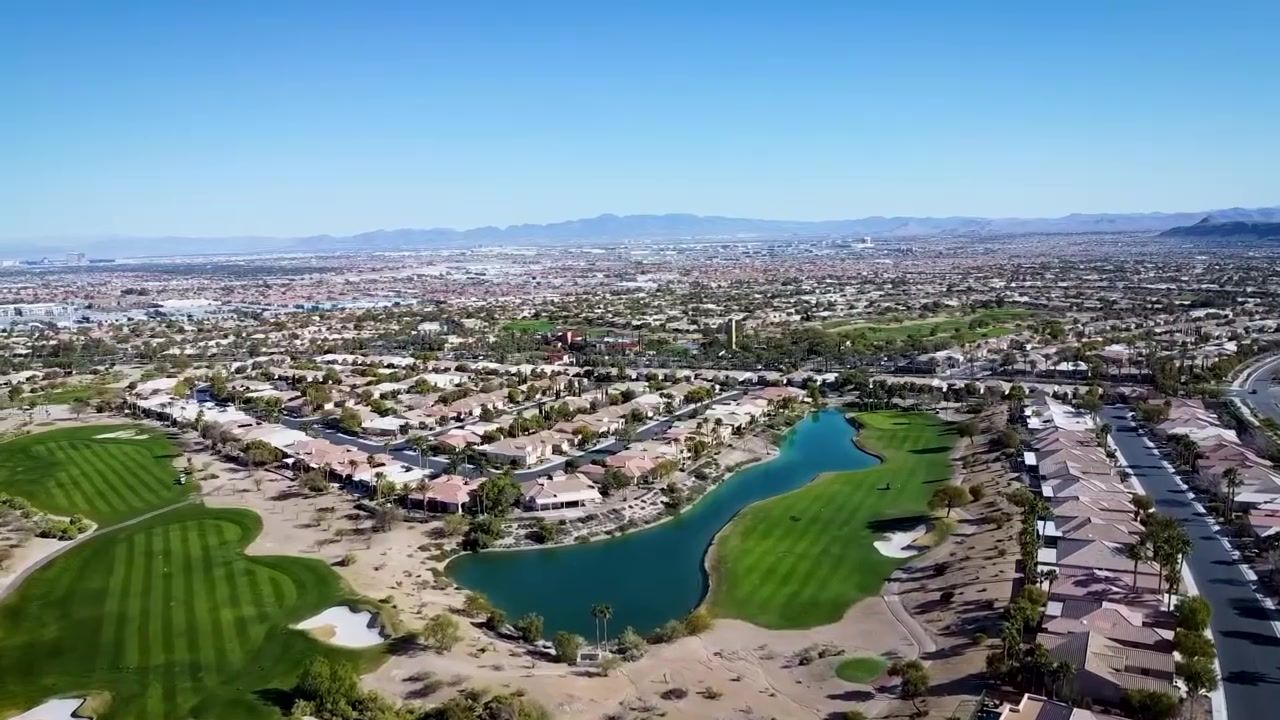
On top of that, I'd be looking at HOA fees because that's a big part of what your lifestyle is going to be like. Everyone has different tolerances when it comes to HOAs and how much fee is doable. People always complain about HOAs until someone's parking on the street or parking in the front yard or doing something that's messing up the neighborhood. Some no HOA neighborhoods are definitely nicer than others. Some HOAs are fantastic and some are definitely heavy-handed. Buyers sometimes hate HOAs, and I've got other buyers that absolutely want one of those heavy-handed HOAs because that's just how they like it. I just want buyers to understand what they're signing up for before they buy the house.
That also means we need to talk about your budget and how are you going to pay for the house. Are you planning to use cash? Are you planning to finance? Do you have to pull money out of investment? A lot of my clients do. But if you're not prepared for that, it's going to cost you tax. It's important to talk to your CPA before you do something like that. I've had people call me wanting to sell a house that they haven't even finished building yet because they put all of their cash into it and did not leave enough for their retirement plan. They hadn't even moved into it. Brand new retirement home. A builder's rep is typically not going to ask you that question, but I always do. I want my clients happy in 6 months when I go back. How much money are you putting into the house? What are you going to be living on after the closing? Are you going to be okay with it? I mean, I don't need to know the exact details, but I'm just going to ask if you're going to be okay with it.
Reverse Mortgages (HECM for Purchase) for Buyers 62+
For buyers who are 62 or older, there's another option worth knowing about, and it's called an HECM for purchase. A home equity conversion mortgage is what they call it. It used to be called a reverse mortgage, and they still call it that, but it's changed quite a bit from the old one. Now it's a type of reverse mortgage used to buy a home. Let me tell you how it works. You bring a significant down payment, maybe 60, 50, 60%, and you buy a house that is, you know, 40, 50 to 40% more than your down payment. And you can own that house without making any monthly principal and interest payments, no mortgage payments, as long as it's your primary residence. But you're still on the hook for the property taxes, insurance, and HOA fees.
You have to keep the home maintained as long as it's your primary residence, but it allows you to buy a much bigger house than you would've normally been able to buy and not have to make any payments. It's an FHA loan, so the monthly payments do keep accruing as you go forward, but if it gets upside down, FHA insurance will pay the difference and it's not gonna come out of your pocket or your family's pocket. It's a way that some of my buyers keep more money in their pocket after making a home purchase without having to pay cash for the whole thing and/or being able to get a much bigger home than they were planning for. It works for some people very well. In fact, you need to talk to a qualified HECM professional. A regular loan officer does not handle these type of loans. But these are the kinds of things that I discuss with my clients. I have these kinds of conversations because it's important and it's not something everybody thinks about all the time when they're buying a house. There's so many wheels in motion. And I always ask them if they're really sure about their decision, because again, my job is mostly playing the devil's advocate because a lot of agents don't want to have those awkward conversations. They just want to get the deal done.
The Pricing Mistake That Kills Listings
When it comes to selling a house, this is probably the hardest one. I know a lot of sellers, local sellers, watch my videos, and this is for you. I always ask sellers this question if they're concerned their house might be overpriced or they're thinking that they're overpricing their home. If the house was half the price, would you buy it? And no one has ever said no. And so the answer is somewhere in between half and the current asking price of the home. The market has the answer. My job is to help you find it before the sign goes in the yard.
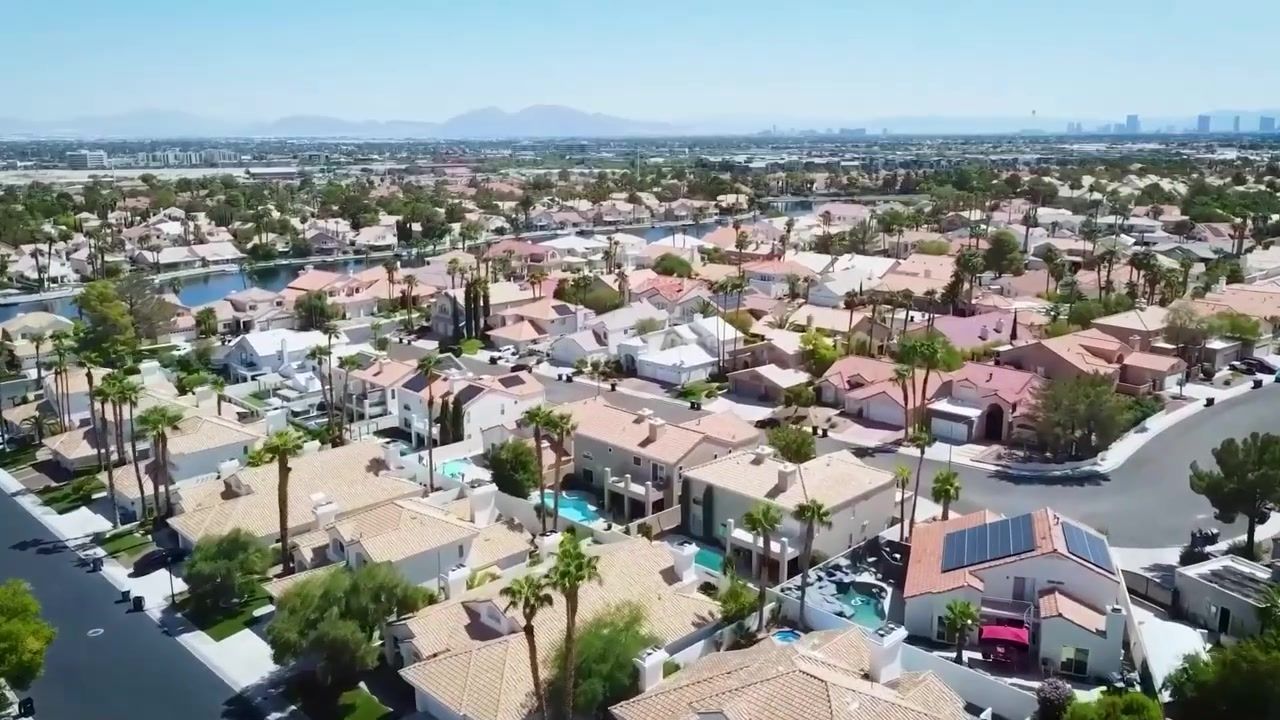
Every agent is gonna tell you about their marketing plan. I did marketing for a luxury brokerage here in town for more than 17 years, and I'm quite familiar with marketing plans. Photography, open houses, social media, email campaigns, broker tours, syndication, I do all of those things too, but the reality is it really comes down to pricing, packaging, and presentation, the 3 Ps. And I would not believe anyone's 27-point marketing plan if they're not willing to talk about that first. If the price is wrong, none of the marketing fixes the problem.
A house can have great photos, great marketing, and show up everywhere online, but if it's priced too high, buyers are going to move on to the next one. That's just what they do. The first few weeks on the market are when the house gets the most attention. People who have been watching the neighborhood see it, agents send it to their buyers, and all of those online alerts start going out. Everybody who's been waiting for something in that area gets a look at it. If the price makes sense, people schedule showings. But if it doesn't, time starts working against you, and eventually you'll have to do a price reduction.
That's where the real problem shows up. Buyers see the price history, they see how long the home's been sitting, and they start assuming that there must be something wrong with it or that it's overpriced. Buyers are pretty smart these days. They AI everything, and if it's overpriced, I can assure you they most likely already know it. But most times it's not the house, it's the price. Most of the time. Buyers come in waves, and it's often a good idea to refresh the listing for the next wave of buyers. I've watched sellers start too high, chase the market down, and still end up selling for less than they probably would have had they gotten the price right from day one. It pushes people off the house and they end up picking something else that was better priced. The market decides the price, not the seller and not the agent, ever. It's the market. My job is not to tell you what you want to hear. My job is to tell you what's selling, what's sitting, and what buyers are responding to right now.
Pre-Listing Inspections: Why Sellers Should Do Them
A lot of times the house goes on the market, a buyer makes an offer, the seller accepts, and everything looks like it's moving in the right direction. But things start to change when the inspection comes. The inspector finds an aging HVAC system, deferred maintenance, a plumbing issue, roof problems, or something else nobody knew about before. Now the buyer wants repairs, a credit, or a price reduction. And by that point, most sellers have already started making plans. Maybe they told the family they're moving. And now they're doing a second negotiation from a position they could have avoided.
That's why I always recommend sellers do a pre-listing inspection before the house ever goes on the market. A pre-listing inspection costs a few hundred dollars, but not doing one can cost you a lot more once you're under contract. I'd rather know about those issues before a buyer finds them. And if there are things you don't want to fix, that's fine too. You can say, we have fixed all of these items and have decided not to fix these items. That's their position. So the inspection report, when buyers come in, help take away that second negotiation process when buyers are trying to get money off for deferred maintenance, repairs, or other things that have not been taken care of.
For Las Vegas homes, I'd want the inspector paying close attention to those kinds of things that tend to show up later if nobody checks them up front. A few hundred dollars before you list can save you a lot of money at the negotiating table because most of those repairs are gonna come back on you anyway. You usually come out ahead when you're not negotiating repairs during due diligence because they've already been taken care of for the most part. Unless the buyer's inspector finds something your inspector missed, it's usually a better situation. Fixing problems before you list puts you in a much better negotiating position. It's something you can brag about, but none of that helps if buyers never click on the listing in the first place.
Professional Photography and Online Marketing
Once the house is ready to hit the market, buyers still have to find it. And this is another thing that sellers don't always hear from their agent. Most buyers are gonna see your home online before they ever step inside it. So the photos are the first showing. A lot of people assume the showing starts when somebody walks through the front door, but most of the time it's already started online, especially with the virtual tours and everything we have nowadays.
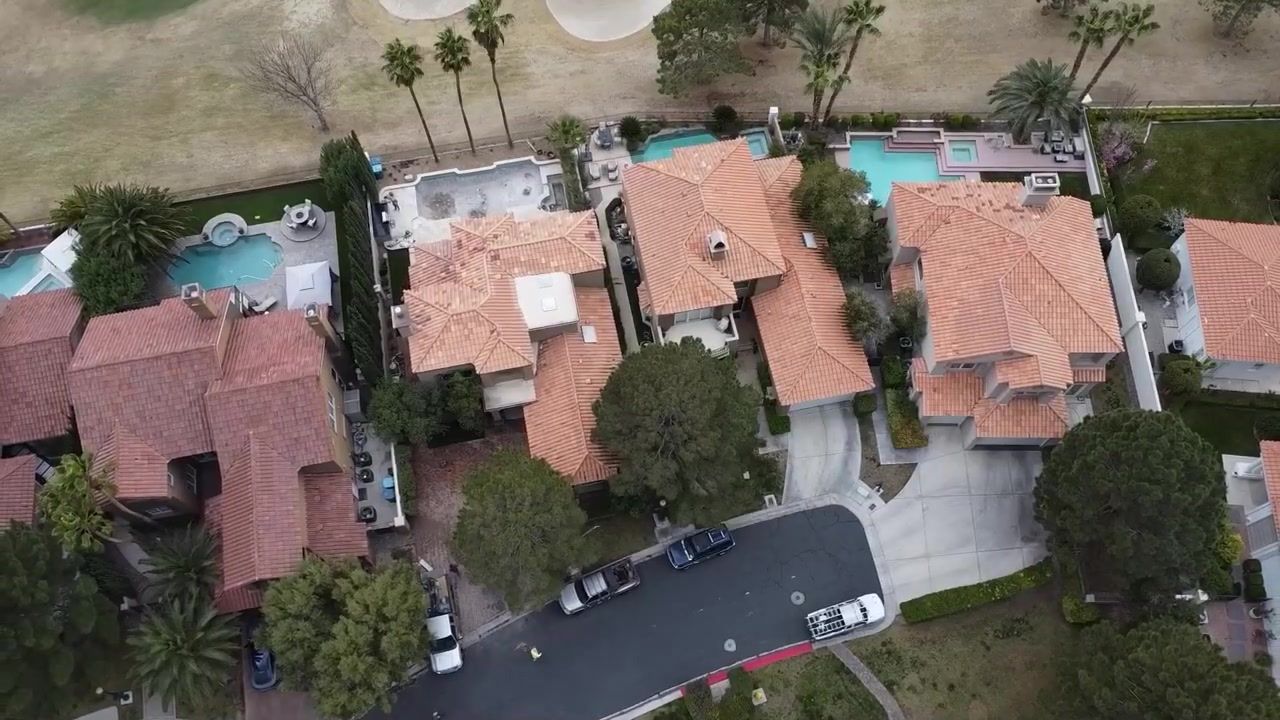
Before I got into real estate, I spent years since before even Google in digital marketing, and I understand how people find things online. I spent 17 years managing the digital marketing for a very busy luxury brokerage here in town. We sold over a billion dollars of real estate, and that background helped shape how I market every one of my listings today. I spend good money to get good pictures. Before becoming a producer, I worked for that luxury brokerage, sold multi-million dollar homes. Regular homes are usually a little easier to sell and they're not as complicated, but I still present them like I do a luxury home. I really only have one mode. So whether your home is $350,000 or pushing into the millions, it gets the same treatment.
A lot of sellers think professional photography is something reserved for luxury listings, but I do not see it that way. We go the extra mile for all of our listings. The buyer looking online doesn't know everything about your house yet. They haven't walked through it and they haven't had a chance to see it in person. They're looking at photos and deciding whether it's worth taking the next step. And that's why good photography is so important. And not just good photography, good angles, good color, good lighting. A well-presented home can compete with homes priced above it, but a poorly presented home can lose buyers before they ever schedule a showing.
Another thing that agents don't always explain is where buyers are coming from. A lot of sellers think a buyer is gonna come from an agent's personal network, social media following, or sphere of influence. Sometimes that happens, but it rarely happens. People don't shop for homes on Facebook typically. What really sells the house is having it syndicated through all of the internet publications, whether it's Zillow, Google, or any of those other places. My buyers have all their favorite portals, and all my buyers come from different places. They send me Zillow links, they send me Redfin, Realtor.com links. They look everywhere, and they know when they click on a Zillow contact link that they get paired up with a random agent. It's the luck of the draw. And that's why I want a listing showing up wherever buyers are searching, because if they're not seeing it, they can't buy it.
Besides, the way people search for homes keeps changing. Google has been testing direct home search listings in some markets, and I think that's gonna really hurt Zillow. When the news came out, Zillow stock dropped sharply in a single day, which tells you that people in the industry are really paying attention to that. No matter what platform is winning right now, I care about making sure your home is showing up where buyers are looking because that's where buyers are coming from. I make sure that it has the proper keywords that will help AI find it. The backend database work that goes into a listing is critical, and that's really what all of this comes back to.
Conclusion
Most of the things that we've talked about today are conversations a lot of agents would rather avoid. My goal is never to sell you a house. I want to inspire people to make the best decision for them, even if it means choosing to move to some other city because Las Vegas isn't for them. If that means telling you not to buy a particular house or telling you that your price is too high, that's the conversation we're going to have. That's the one that helps you. And this is what people tell me they like about me all the time. I talk about the good, the bad, and the ugly. I don't pull any punches.
A lot of agents don't want to have those honest conversations with you because those conversations can slow a deal down. Maybe it's telling a buyer there are problems with a house, asking questions about how they're paying, or telling a seller that their house is the price too high. Sometimes it's recommending a pre-listing inspection before the home ever goes on the market. Those conversations don't always help a deal happen faster, but they can help people avoid expensive mistakes later.
When I'm with a seller, I'm working hard to sell that house. Of course, everything has to be disclosed according to the law. We're not holding anything back, but my approach is different when I'm working with a seller. Before I got into real estate and after years of digital marketing, I had to build my business by taking care of people and having them send their friends and family to me afterwards. I've had a lot of people come here because their financial people told them you need to move to Nevada or your money is going to run out before you do. If you're coming from a place like California, the financial situation can move the needle enough that it makes a big difference, but somebody still has to ask you how that move is going to affect your budget, your retirement plans, and what everyday life is going to be like once you live here.
The person showing a model home or someone hungry for a deal isn't usually going to ask those kinds of questions. I've had people call me and say they wish they would have called me earlier. I've had people come up to me and say, we've been watching your videos and you're why we moved here to Las Vegas. So whether you're buying, selling, or doing both at the same time, which is how many of my clients come to me, I'd rather have those conversations before somebody signs paperwork than after they're dealing with the consequences. It's never been about how many houses I can sell. It's always been about how many people I can help. That's how I built this business. That's how I select and train my staff, and that's how I plan to keep doing it.
If you'd like to have that conversation about your situation, please feel free to reach out. No sales pitch, just an honest conversation about the market, your options, and the things you should be paying attention to before you make a move. Whether you're relocating to Las Vegas from out of town, selling a home in town, or doing both at the same time, these are the kinds of conversations that can save you money and put you in a better position before you make a move. I'm Micah Bleecher, and I'm always here to help you find the perfect place to call home.
FAQ
What should I look for during a home tour in Las Vegas?
Look beyond the updated finishes. Check the age and condition of the HVAC system by photographing the label, inspect electrical panels for amateur work, look under sinks for water damage, examine irrigation placement near the foundation, and verify whether renovations were permitted. The quality of small details often reveals the quality of the entire renovation.
What is Kitec plumbing and should I be concerned?
Kitec plumbing fittings were installed in Las Vegas homes from the mid-1990s into the early 2000s and had a history of failing over time due to hard water. There was a lawsuit and settlement to replumb affected homes. Most homeowners completed the work, but it's something to verify by checking county permits. If the fittings were still there, the house likely would have flooded by now.
How much does a pre-listing inspection cost and why should sellers do one?
A pre-listing inspection costs a few hundred dollars but can save you thousands during negotiations. It allows you to identify and address issues before buyers find them, eliminating the second negotiation that happens during due diligence. You can disclose what's been fixed and what hasn't, putting you in a stronger negotiating position.
What is an HECM for purchase and who qualifies?
An HECM (Home Equity Conversion Mortgage) for purchase is a type of reverse mortgage for buyers 62 or older. You bring a significant down payment (50-60%) and can buy a larger home without making monthly principal and interest payments as long as it's your primary residence. You're still responsible for property taxes, insurance, and HOA fees. It's an FHA loan, and if it goes upside down, FHA insurance covers the difference.
Why does backyard direction matter in Las Vegas?
A west-facing backyard takes the afternoon sun during the hottest part of the day. In the middle of summer, that's probably the last place you'll want to sit. North or east-facing backyards tend to get more shade later in the day when people actually use the space. You can mitigate a south-facing backyard in many ways, but direction affects how much you'll enjoy the outdoor space year-round.
What's the biggest pricing mistake sellers make?
Starting too high. The first few weeks on the market are when the house gets the most attention. If the price doesn't make sense, buyers move on. When you eventually reduce the price, buyers see the history and assume something's wrong with the house or that it's still overpriced. Sellers who start too high often chase the market down and end up selling for less than they would have if they'd priced it correctly from day one.
Micah Bleecher Group
Helping 55+ buyers, retirees, and relocation clients make confident Las Vegas real estate decisions with local expertise, patience, and genuine care.

Recent Posts