10 Types of Homes to Avoid Buying in Las Vegas, NV
Beautiful floors. White kitchen. Fresh paint. You're already picturing your furniture in the living room, and I'm wondering what's behind the paint. Because sometimes that gorgeous remodel is just lipstick on a very expensive pig.
There are 10 types of homes I want you to look at a little differently before you put your money into them. Some are perfectly good purchases if you know what to look out for. Others can turn the next chapter you've worked so hard for into a project you never wanted.
We'll get into a 55+ community where some homeowners are reporting shifting ground, and we're going to talk about a rooftop upgrade with a contract that can derail your closing. But first, let's talk about the description most buyers love hearing: this home was barely lived in.
Table of Contents
- Neglected Second Homes and Model Homes
- Homes on Septic Systems
- Poorly Renovated Flips
- Condos With HOA Issues
- Homes Near Power Lines and Future Development
- Multi-Story Homes For Retirees
- Home With Foundation Problems
- Homes With Hot Backyards
- Homes With Leased Solar Panels
- Older Homes With Deferred Maintenance
- Which Type of Home Deserves Extra Scrutiny?
- Conclusion
Neglected Second Homes and Model Homes
Barefly lived in, it says in the listing. The owners only came out for a few weeks a year. Sounds reassuring, right? But who was looking after it while they were gone?
One of the worst second homes I ever sold was a $3 million home on Lake Sahara , beautiful house on a point lot, but it was a complete wreck. It was one of several homes the owners had, and they had neglected it for years. I mean, the molding was peeling off the walls. All of the air conditioners were broken. There wasn't even one that was working, and that house had several. It was a disaster. We had to do a lot of work just to sell it, and the buyer still faced a full remodel.
The lesson learned here is that the house keeps aging whether anyone is living there or not. And when nobody catches those little problems, they can become your big problem.
Then there's the model home the builder sells when the neighborhood is finished. Never lived in, beautifully decorated, loaded with upgrades. I mean, they max out those model homes in most cases. And of course, it comes with the description, never lived in, barely lived in. But depending on the project, it could already be 4 to 7 years old or even more. Thousands of people may have toured and nobody's lived there to discover the shower that leaks or the dishwasher that won't drain. You might be the first one that discovers that.
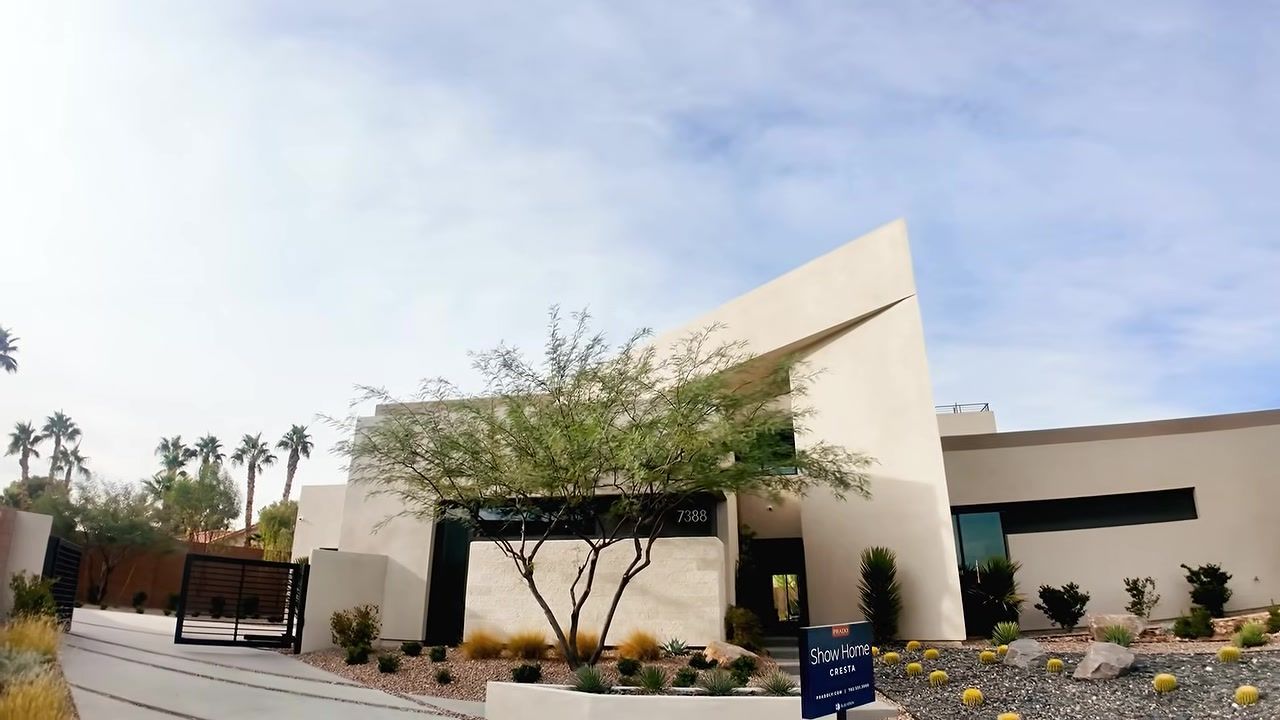
When the crews end up working somewhere else, sometimes getting someone back for repairs can take a lot more chasing than you expect. So it's important to check the warranty and know who handles the repairs before you buy. The other thing that's very important is to get a very thorough third-party inspection. You wanted to enjoy your new home, not spend your mornings following up on a repair list and having to run down some guy that's out busy on a different project. Those gorgeous upgrades, well, enjoy them, but don't assume that you'll recover the full cost when worn finishes and changing styles make them less impressive to the next buyer.
One more surprise with a longtime second home is property tax, and that's something a lot of people don't think about. Nevada's qualifying primary residences generally have a 3% cap on annual tax increases. Second homes, on the other hand, can have a higher cap, up to 8%. That's a ceiling. It doesn't automatically mean that you're going to get an 8% increase every year, but the tax bill has likely climbed faster over the years on a second home. Qualifying for the 3% cap after you move in definitely limits future increases, but it does not undo the old ones. So check the actual tax bill, the maintenance history, and the inspection findings. If you really want the lowest annual taxes, get an older home. It may be worth a little bit of extra maintenance.
Barely lived in is a description, not a guarantee.
Homes on Septic Systems
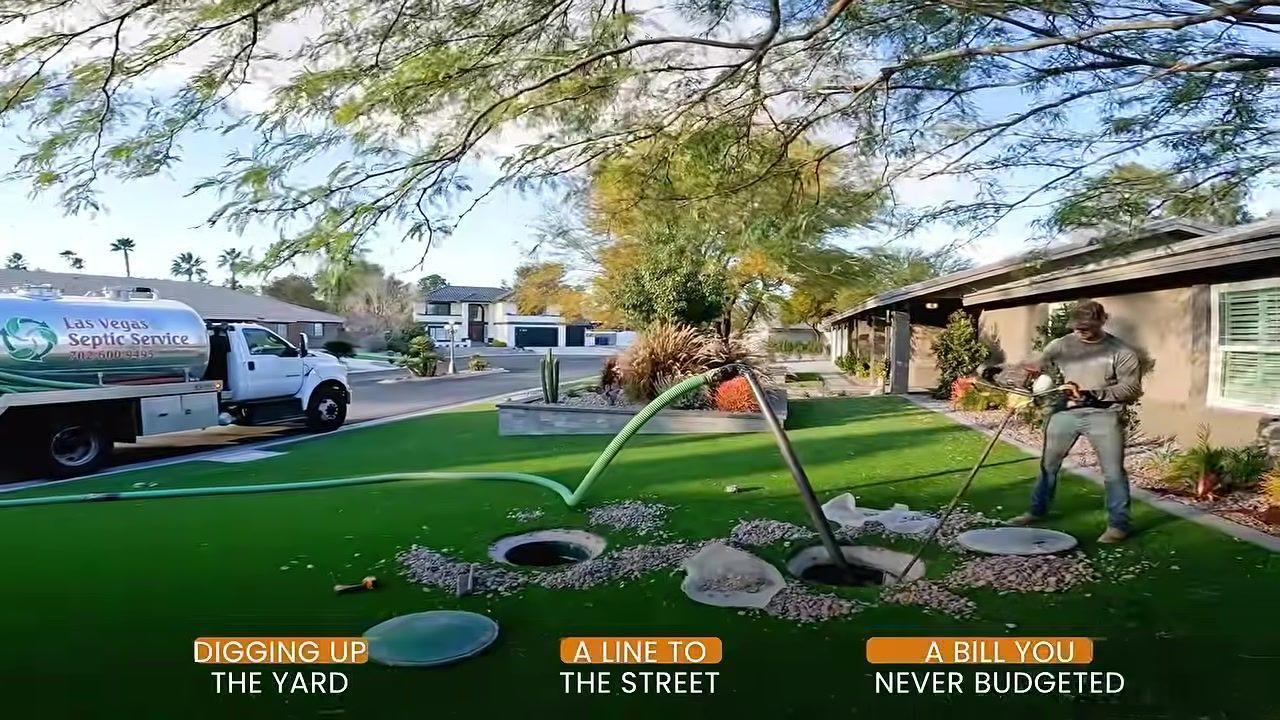
You're touring a beautiful house, you're looking at the kitchen, the backyard, and imagining your life there. You're probably not asking where everything goes when you flush. But that question can save you an expensive surprise. And believe me, I know. My own home is on septic and we're in the process of figuring out how to get it hooked up to the city sewer. My old business was on septic too.
They work fine. They serve their purpose. When my house was built, it was rural, and so septic was the standard for rural homes. The question is, what happens when that system needs major work? You cannot assume that you're gonna be allowed to put in a brand new septic tank. New septic systems are restricted on property using Colorado River water with very limited exceptions. Depending on the property and the local requirements, you could face a city sewer connection. I'm checking them out now, and believe me, they're not cheap. And that can mean digging up the yard, running a line out to the street, and paying a bill you never included in your moving budget.
There are 18,000 septic systems in Las Vegas right now. So you thought you were buying a home where you could finally relax, and now you're figuring out how much of your savings has to go underground.
Why the push towards connecting to city sewer? Well, water sent through our sewer system can be treated and returned to Lake Mead. Septic water does not come back through that closed-loop recycling system. Now theoretically, there is financial assistance for eligible conversions subject to funding and program requirements. We're checking into those now and seeing if they are actually real. Sometimes it's just words on a website, but find out what you qualify for before you can count on it.
If you're a rural person and you need a big lot, there are homes that are rural that are on city sewer, or septic tank may not be a big issue for you, and you can budget for connecting to the city sewer eventually. It's not a problem for many people, but go in with your eyes open. And not only that, when you buy a house on a septic tank, you want to make sure during due diligence that you have that system pumped and inspected. Generally, the homeowner pays for pumping and the buyer pays for the inspection. And then check out with the local water district and sewer agency. If the system fails, what are my options? I can tell you it's probably not gonna be getting a new septic tank.
I'm perfectly comfortable owning a home on septic. I just want you, if you're buying one, to have the answers instead of inheriting an expensive question.
Poorly Renovated Flips
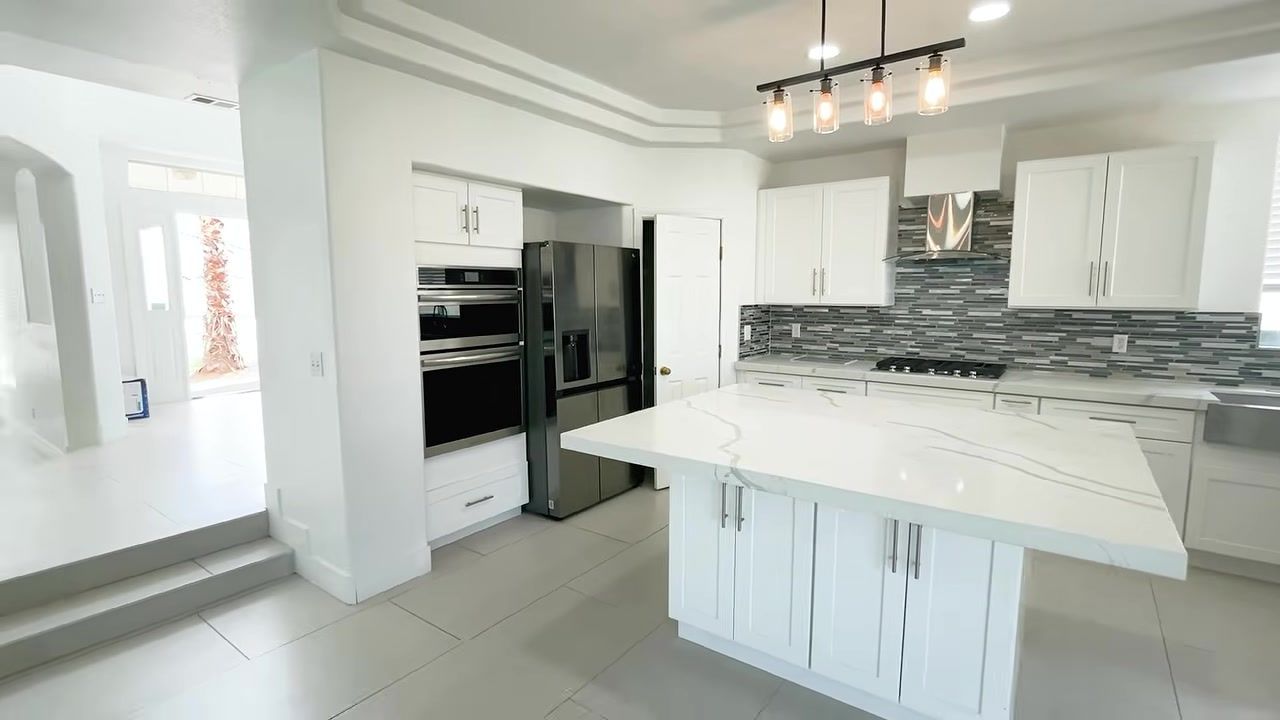
Out of everything on this list, this is what I see the most in Las Vegas in my job. Somebody buys a house, flips it fast, and the work under the pretty finishes is a bit shoddy. In fact, we had to recently cancel 3 different escrows for 3 different clients because there were problems in a remodeled house.
We've got a flipping culture here, and the whole investor playbook is built on speed. They buy at or under around 70% of what the house will be worth after repairs, of course, minus what the repairs cost, and then they fix it up to the neighborhood standard, get it back on the market, and move it quickly if possible. Now think about what that gets you. Paint, staging, countertops, and flooring goes in because that's what shows up in the listing. Old wiring, iffy plumbing, a wall that came out without a permit. Well, those are things that the camera cannot see.
The photography is very, very good these days. I personally use very expensive photographers on my listing. I want those photos looking good. And so does every flipper out there. That's marketing, and there's nothing shady about good marketing. But a photo will never tell you if the trim lines up or if there are gaps where the cabinets meet the wall.
So what do you check? Well, permits, if there are any. I definitely look them up online. Almost every time, the permit history is the tell, because if a house shows that it's a full gut remodel and the permit record does not match the work standing in front of you, that's when you slow down and start asking questions.
As funny as California is, they do have some good things. They passed a law that makes flippers who resell within 18 months tell you about structural changes. They have to name the contractors who did the work and hand over copies of the permits. Nevada does not have a law like that, so the whole job falls on your agent and your inspector to check what got permitted and what somebody just did.
Not every remodeled house is a problem. I sell them all the time. Typically they're about 90% done, and everybody going into one of those knows that they've got a few more things to do. And honestly, some of the remodels I've sold are impeccable, some of them are great, but you can't figure that out from a picture. I can't sleep at night unless I do the due diligence part of my job. No house is perfect, and every house has something, so you deserve to know what that something is before you own it.
Condos With HOA Issues
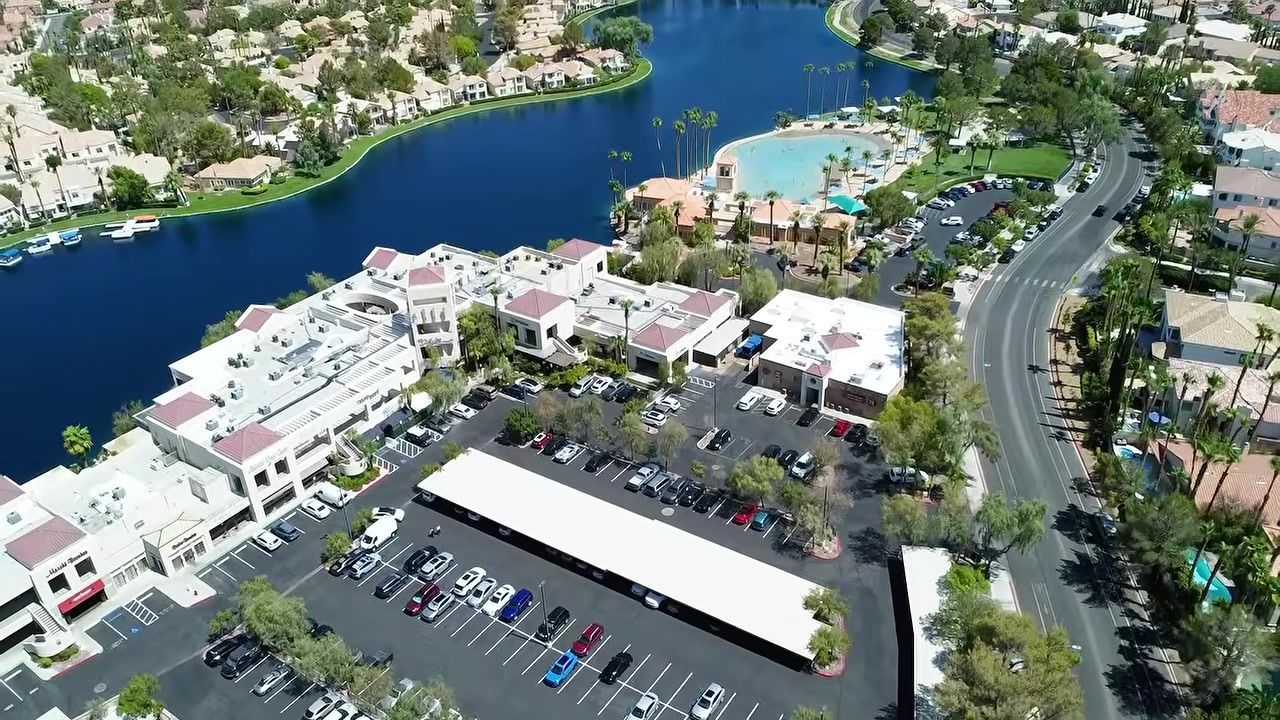
The unit can be spotless, perfect, and exactly what you're looking for. But remember, you're buying into the association's finances too. You budgeted for the mortgage and the monthly dues that you're aware of. And then comes a special assessment, surprise, surprise, for repairs that the association has not saved enough to cover. That happens. And that's money you thought you'd be spending on enjoying your retirement.
Rising dues alone does not mean an association is poorly run. Everyone has to raise dues. Insurance costs go up, cost to repair and maintain things goes up. Everything has gotten more expensive, and we all know that, and that affects condos and single-family communities alike. Even a well-run association is going to need increases over time, so make sure you leave room for that in your budget. That's normal.
What I want to know about is whether they are planning ahead or not. Are the reserves where they need to be? And if they're short, is there a solid plan in place to rebuild them while keeping up with the repairs? I'd much rather see reasonable increases with a clear explanation than low dues and a growing pile of unpaid property.
That is exactly why we read the financial statements when we get them from the seller, the reserve study, the meeting minutes. We want to know what work is coming. We want to know if they had special assessments. We want to know if they're borrowing from the reserves to pay the everyday maintenance bills. All of this will be in their financials, and we get a copy of those from the seller when we're in contract, and we have a 5-day look. And if we don't like what we see, you can cancel your escrow and get your earnest money back.
Being short on reserves does not automatically make it a bad purchase. To be honest with you, most associations are a bit short on reserves, but taking the we'll figure it out later approach is not much comfort when you're one of the people paying here.
Financing and FHA Approval
Financing can be another surprise. Certain lawsuits, serious repair problems, or financial issues can prevent certain lenders, especially FHA lenders, from approving the property even when you qualify for the loan. Paying cash, well, it fixes that problem, but it still does matter. Your next buyer might need FHA financing.
Conventional loans, well, it's usually not a problem, but HUD has a free search tool for FHA-approved condo communities. It's online and it's a very useful starting point, but have your lender check out the specific unit you're looking at. Some units can qualify individually for a conventional loan even when the community is not FHA-approved.
I understand the appeal of condo living. Less maintenance means more time to enjoy your life, more freedom to lock the door and travel. Condos are very compelling, but let's make sure that the association has a realistic plan to maintain the property that you're buying into. We have to read the fine print. We are looking for responsible management, honest numbers, and a budget you can live with. You deserve to understand the cost before they become your responsibility.
Homes Near Power Lines and Future Development
You could change the kitchen, you can replace the floors, but that big tower of power behind the house, you're not going to be able to get out of that one. You're going to have to be looking at it every single morning.
An ordinary utility pole on a residential street and a massive transmission tower are 2 very different things. I don't worry about the ordinary light pole, but with those big towers, buyers may worry about the view restrictions from the easement or even electromagnetic field. I don't know about those and I'm not gonna make any medical claims, but what I can tell you is that some buyers won't even consider those homes, about half. So you might be comfortable with it, but just remember when you sell, you'll need someone else who also feels the same way and you just reduce your buyer pool. So think about it when you're buying with those giant transmission towers right behind your house.
Future Development Behind Your Dream View
The second thing is busy streets. Don't just listen to the traffic today. Think about and ask what could be coming in the future. I was out with clients recently and we were looking at a former model home. It was beautiful. It was a resale, gorgeous house, had everything they wanted. Great mountain views, great finishes. Of course, it was a model home. I mean, they really resonated with the interior.
And behind the house was this great big stretch of empty land and a little quiet road. It was beautiful. You could see mountains in the background. They just loved it. They pictured themselves sitting out there with their morning coffee, and they were thinking about putting an offer down on that house. And then we looked up who owned the land behind the house. We know how to do that. And the owner happened to be KB Homes, Graeger. And that changed the whole conversation.
Suddenly we were talking about potential construction, more houses, a lot more traffic on that quiet little road, construction vehicles, signs. Land ownership does not tell you exactly what will happen or when, but it is a reason to check the development plans before you buy the view. Views can never be guaranteed. And my clients passed on that house. They were buying the house largely for the peace and quiet, and once they understood that would likely change, it was not the right fit. We found them a great house that was.
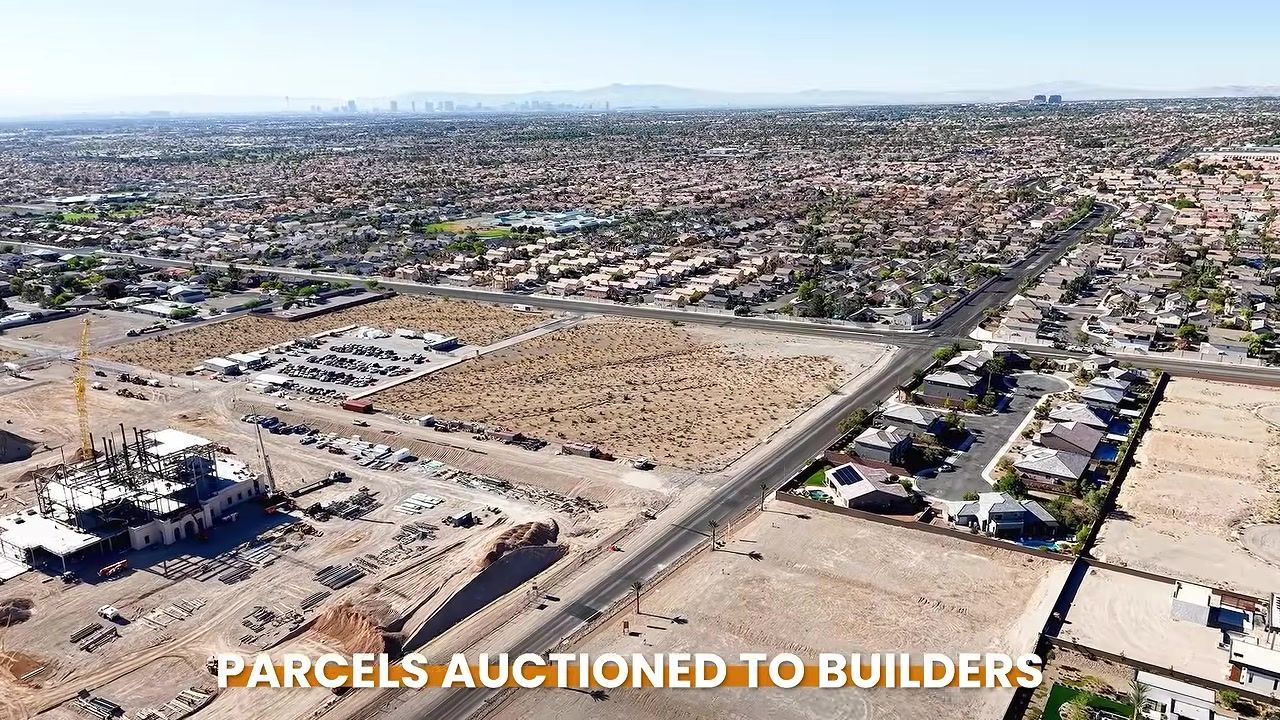
That's why I always want to see what's over the back fence. Sometimes I'm stretching to get a look, standing on a rock, holding up my camera on a stick. And with this back, that's quite a commitment, but we have to know. And then we check who owns the land and what's planned, if that's possible to find out. Even government-owned land is not a promise that your view will stay that way forever. They occasionally auction off parcels to builders.
A little homework before you buy can save you from sitting on that same patio later wondering why nobody mentioned what was coming in the future. And if you still love that house after you know all of that, great. Having a little bit of extra traffic and a neighborhood next door does not bother everybody. It could be the perfect situation. They might appreciate new neighbors. Everyone's different, but at least you're making the decision with your eyes open.
Multi-Story Homes For Retirees
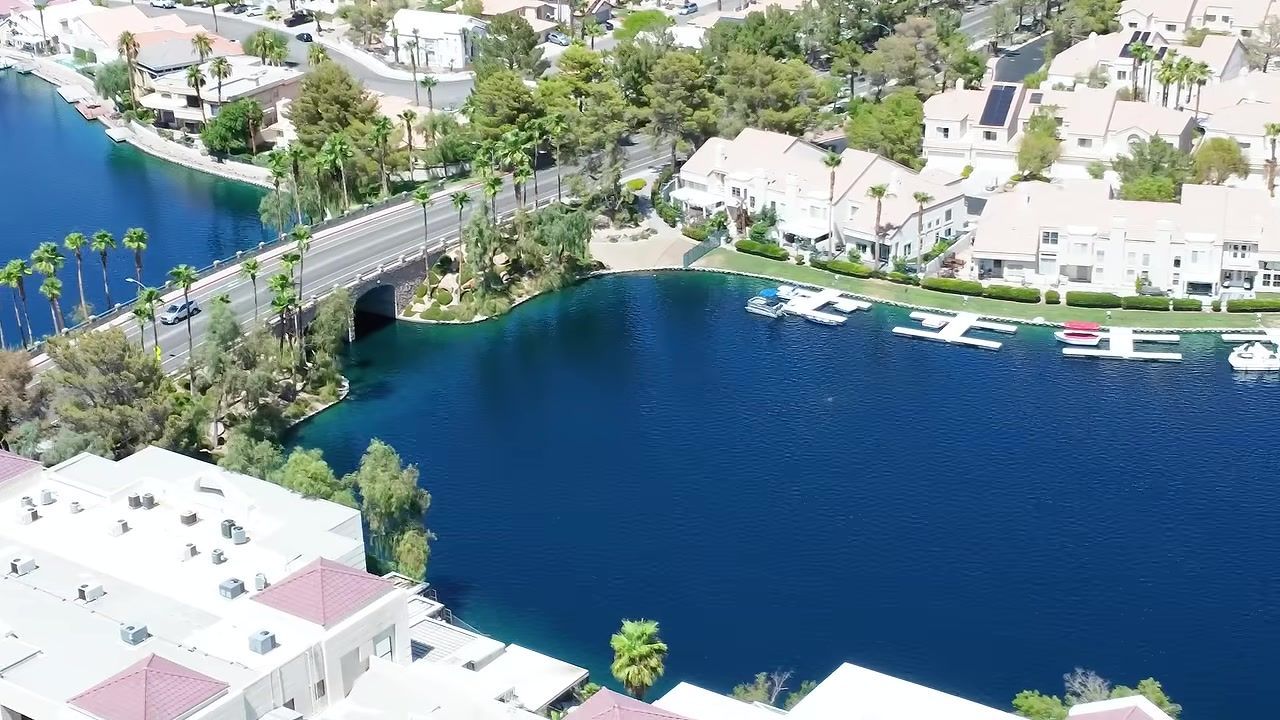
A house can be perfect for your life today and make it much harder a few years from now. What happens when the bedroom you love is upstairs and suddenly getting upstairs is not so easy anymore? That happened with us. Maybe you have a knee surgery, maybe you have a change in balance, maybe you've had several surgeries like someone I know, something you weren't expecting when you bought the house.
I've had clients call me back because their multi-story home no longer worked for them and they needed to sell. It was kind of sad. It's the reality, and I'm doing my best to help them. Of course, they still loved the house, but they just could no longer comfortably live in it based on their physical situation, the medical situation.
I do help retirees buy multi-story homes all the time, but we have conversation. For some people, it works beautifully. My 90-year-old bonus mom Ville lives in a 2-story house and she's doing great. The house is not her biggest problem, but this is a conversation that I always have with clients. And I ask, can you picture your everyday life in this house 10 or 15 years from now?
I understand wanting extra bedrooms for the grandchildren, but just remember they're visiting and you live there every single day. And I say this from experience. I've had my own open heart surgery. I'm getting ready to go in for another back surgery. My wife has been through more surgeries than I can count. And about 10 years ago, we moved from a 2-story to a single story. I gotta tell you, some days I feel about 95 even though I'm only 67. So you don't always get that much warning when your needs are about to change. I can tell you that sometimes they come along pretty quickly and surprise you.
So I generally encourage a single-story home if that fits what you want. And look, if you love a 2-story home, at least look for a bedroom and a full bathroom downstairs. You gotta ask yourself, could you live comfortably on that main floor if you needed to? A stairlift could be another option, but you want to look into whether it would work in that particular house before you're depending on one. And elevators don't always offer the kind of convenience that you think they will.
I'm not telling you to rule out a home that you love. I'm just asking you to give your future self a voice in the decision. It makes sense, right? Because having to move while you're already dealing with a health change is a lot to take on. I've done it personally, and I've had a lot of clients do it. I honestly want you enjoying this next chapter with a home that keeps working for you as life changes.
Home With Foundation Problems
Imagine buying a home where you've worked your entire life to retire in, and then you notice a crack in the wall. And we're not talking about a small one, a little small settlement crack, those happen. But then you notice the patio pavers sinking, and not just a little bit, then you see gaps where you don't remember seeing gaps before, and then you see cracks from the floor to the ceiling and along the ceiling. And then suddenly you're wondering, is this something small or is my home moving?
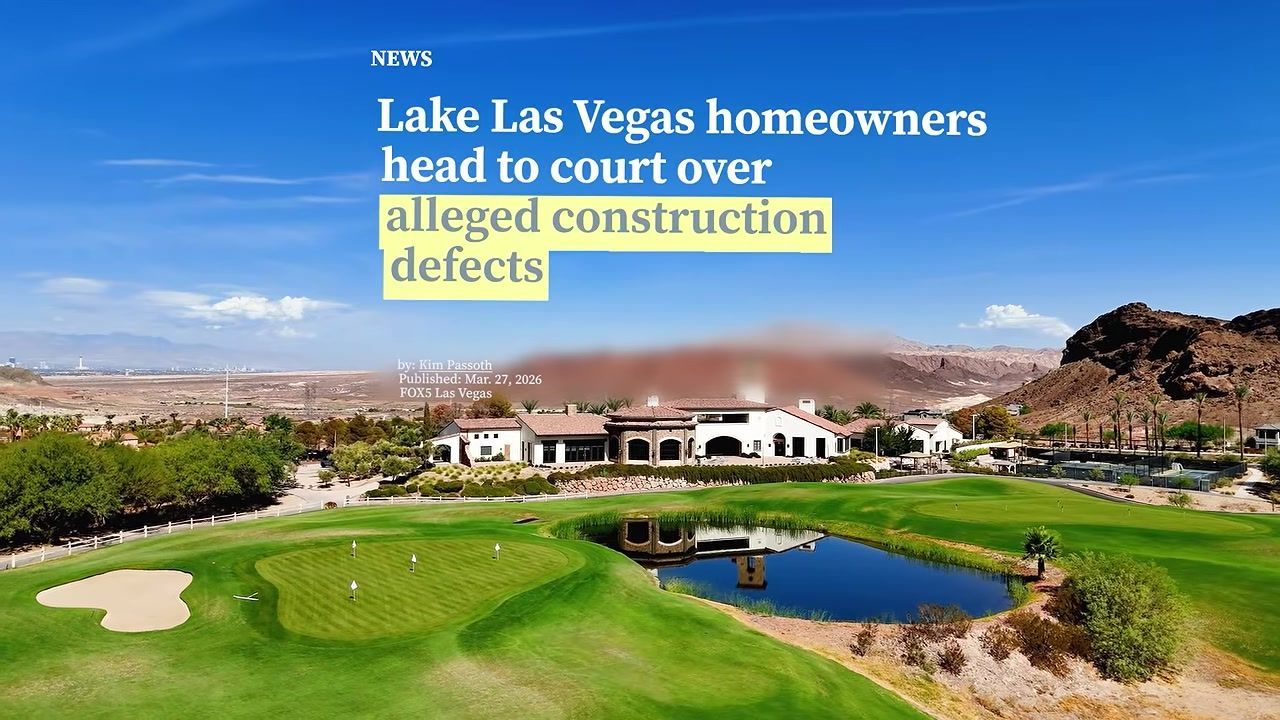
Some homeowners, not all, but some homeowners at Del Webb Lake Las Vegas have reported problems. There are lawsuits going on right now. The homeowners have a suit against the builders and so does the homeowners association. And those lawsuits allege that the ground is moving underneath the homes. It's damaging the homes and also near some retaining walls.
PulteGroup says they stand behind their homes and they have been making repairs, but the engineers for the homeowners and the engineers for the builder are having some disagreement, and the case is currently in arbitration. My current understanding is that deep soil testing has been completed by the homeowners and they're waiting for the result to get back, and then the arbitrator's gonna hear the evidence and determine how the claims are going to be resolved. And for the homeowners, that means a little bit more waiting for the answers about the place they expected to relax and enjoy retirement.
I love Lake Las Vegas. I love Del Webb at Lake Las Vegas. It's one of my favorite neighborhoods in town. I've got clients and friends that live there, and we talk about this. They're happy with their house, and none of my clients have been affected, but a few homes in the neighborhood have. You shouldn't assume that every house has the same problem because they don't. But you also should not assume that a particular house is unaffected just because it looks beautiful. We have to check it out.
What to Ask Before You Buy
Before you buy, you need to understand what's been disclosed, whether that property is involved, and what inspections or engineering reports say. What repairs have been completed? What is still unresolved? And of course, the $64,000 question: who is expected to pay? Then we ask the lender and the insurance provider how the situation affects this particular purchase and review whether the association anticipates costs for the homeowners. Right now, that's not clear.
But the hardest part can be the uncertainty itself. I mean, you want to make plans for your life, and instead you're wondering what the next letter or repair estimate's going to say. It's not an ideal situation. So if you love a home in a community with a construction dispute, and believe me, Del Webb's not the only one, let's get the documents and have the correct professionals involved before you make a full commitment.
And wherever you're buying, remember, major alterations always deserve a permit check. It's something I check on just about every house. Beautiful workmanship and an appraiser giving it value does not by themselves establish that the work was permitted or safe. You don't need a promise that nothing will ever go wrong. You need clear answers about the problems that are already known. And that's how you decide whether the home still makes sense for you or not.
Homes With Hot Backyards
You bought the home picturing afternoons by the pool and dinner on the patio. Then July comes. It's 2 in the afternoon. The pavers are scorching. You open the sliding door, feel the heat, and you close it again. That beautiful backyard you paid for, well, you're enjoying it through the windows.
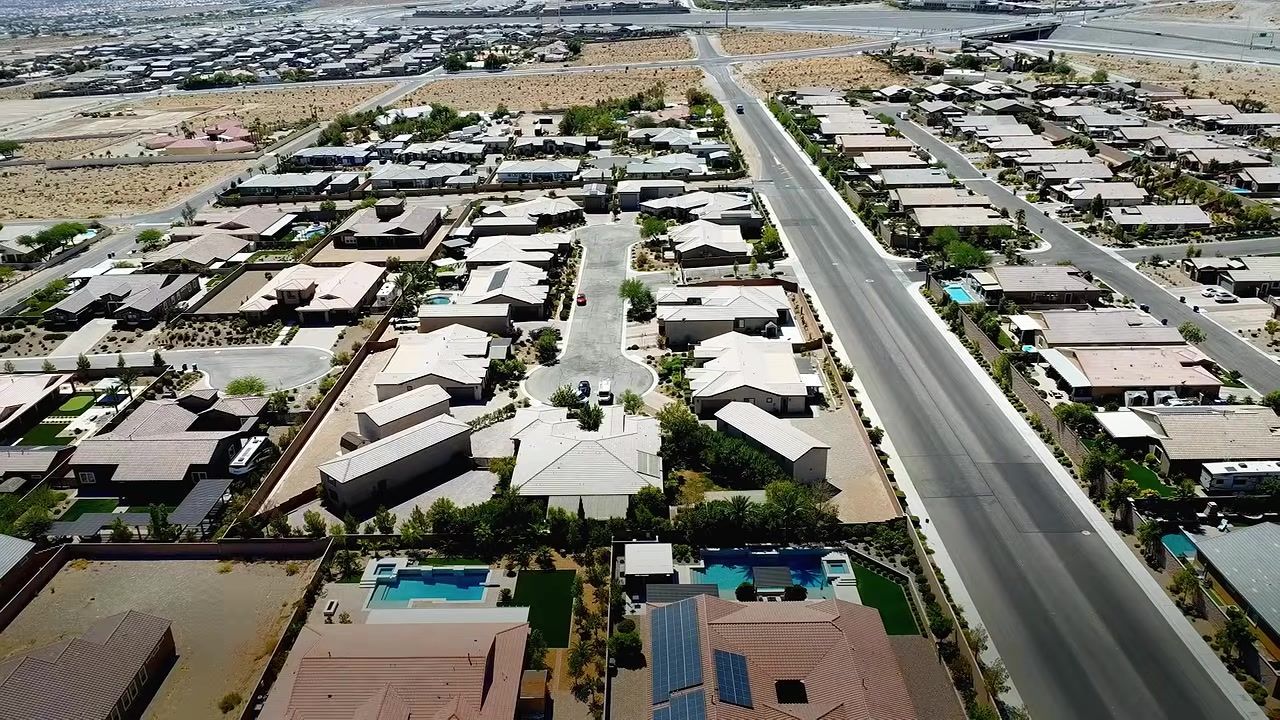
That's why I want you to pay attention to which way the backyard faces. South and southwest facing yards can get plenty of sun and catch that intense late afternoon heat. The patio cover, trees, and surrounding buildings make a big difference. And those beautiful listing photos, they may have been taken in the soft morning light. You need to know what that same patio feels like during the time that you actually want to use it.
So if outdoor living is a part of your retirement dream, let's visit the house at that time of the day. Stand where you're going to put your outdoor table. Look at where the shade falls. A sunny yard does not have to be a deal breaker. A solid patio cover, shade sails, and well-placed trees can make space that you'll enjoy. I've even seen a high-tech pergola that opens and closes on a remote. It was gorgeous and it really made a difference.
But those improvements cost money and trees do take a bit of time to grow, so plan on that before you buy. I often encourage buyers who want afternoon shade to look at north or northeast-facing backyards while checking out the actual layout, because the goal is to find a backyard you're going to be able to use and not just one that photographs beautifully in the soft morning sun.
I love living in Las Vegas, I truly do, but you just have to work with the sun. In the worst parts of summer, July and August, plan your outdoor life.
Homes With Leased Solar Panels
You see solar panels on the roof and you think, great, lower electric bills. And then you find out those panels come with a monthly payment and years left on someone else's contract. Now, that does not automatically make it a bad deal, but you need to know what you're agreeing to. We need to read the contract and we need to read the fine print.
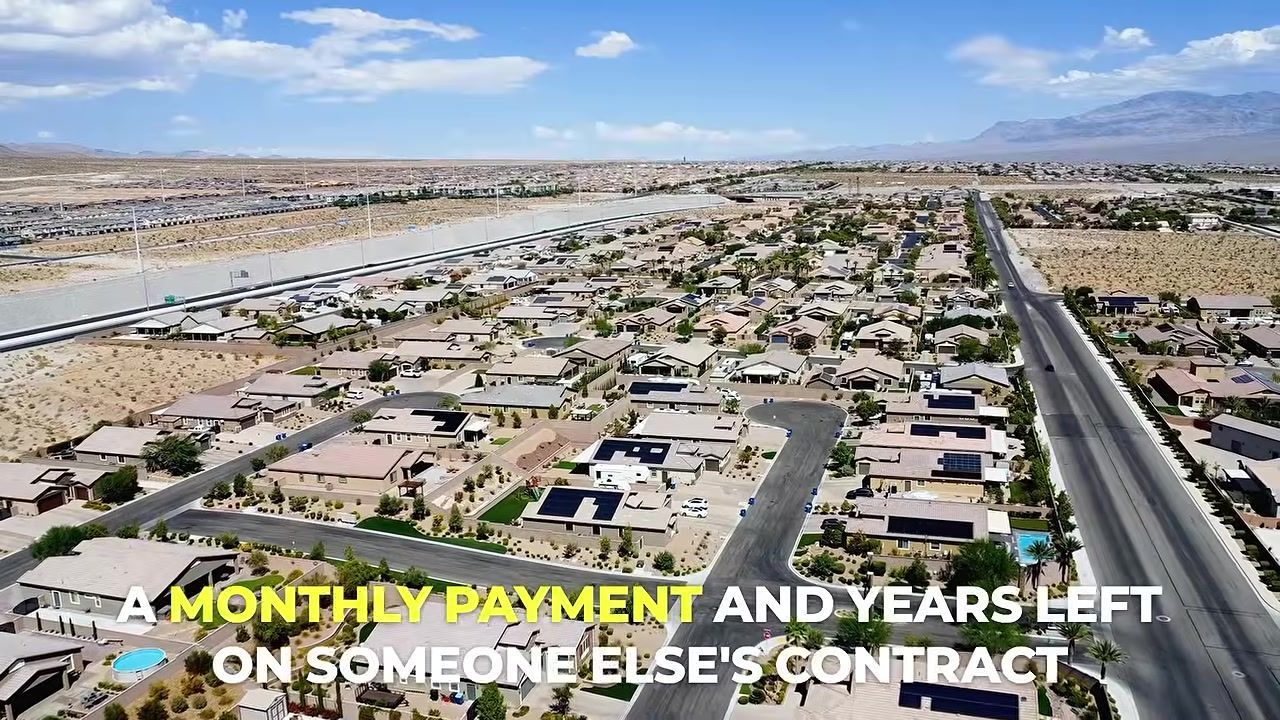
I have solar on my home. I love it. It penciled for us. It does not pencil for everyone. A lease can make sense in certain situations. If the lease payment plus your remaining electric bill comes out lower than the electricity would cost without it, well, then you're saving money. It makes sense. It might not be saving as much as if you had a completely paid-off system, but it still saves money. So depending on the terms, it may give you even some protection against future utility increases. Again, we have to read the contract for that, but some leases have their own annual increases and they're kind of sneaky and we have to look for them.
We need to look beyond what you'll be paying in just the first month. We have to read through the whole contract, and you're trying to make your retirement budget more predictable, and so we just have to make sure that the contract helps you do that if you find a house that you love that happens to have leased solar on top.
What to Ask About a Solar Lease
We want to ask for the contract, we want production history and a full year of electric bill. We want to know what the payment is, we want to know if the lease increases over time, we want to know how many years are left. Then there's the question people forget: what happens when you sell?
Many buyers prefer paid-off solar. Some will pass on a house simply because they don't want to take over a lease, even though the numbers could work for them, they just pass on it. Sometimes if people are getting a loan and the income-to-debt ratio is tight, the lease payment might put them over the top and kind of kill the deal. I've seen that happen.
And if a buyer does want it, we need to confirm the solar company's transfer requirements early and make sure we have all the paperwork for that. You don't want the boxes packed and your next move arranged when someone discovers that the lease transfer has not been approved. Have to go through all of that carefully.
A buyout might be an option, but the contract determines whether it's available and exactly what it costs. It may not be worth buying it out, so don't assume it will be cheap. Own or lease, have the system checked. Those panels need to be producing the savings that we're counting on.
I would not want you to walk away from a home just because it has leased solar, but I would tell you to understand the total monthly cost and what you're committing to. We want to make sure it's a good situation. If the numbers work and you're comfortable with the terms, it may be a good fit.
Older Homes With Deferred Maintenance
Everyone knows that the '70s had better music, right? Well, the '80s, the music suffered, but they had better houses. That's my take, friends. I live in an '80s home, very different than contemporary homes that are being built now. And when I'm showing older properties, say in the '70s, I often notice the difference in the layouts, the ceiling heights, and how the rooms feel.
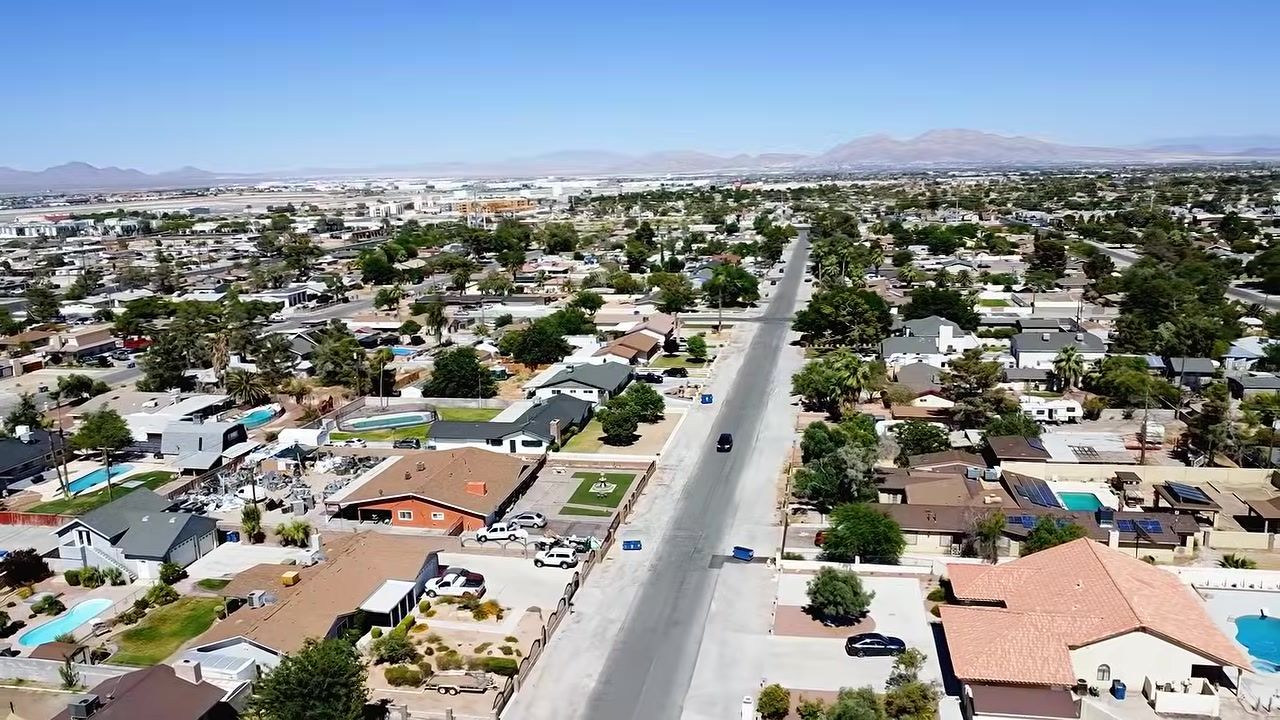
The bigger question is what's been updated since the house was built, because you can fall in love with the vintage charm and still end up paying for decades of deferred maintenance. It may have older electric panels, it may have aluminum wire, it may have aging plumbing, it might have original single-pane windows. You do not want those in the desert. Maybe it has an old cast iron sewer line that deserves a closer look. I guarantee if it's cast iron, it deserves a closer look. I've sold houses with cast iron sewer lines. We had to check them out.
You're picturing a new kitchen, and then you find out the renovation line needs to go underground before you ever pick the countertop.
No-HOA Neighborhoods: Freedom With Trade-Offs
A lot of these homes that are older sit in our no-HOA neighborhoods, and I understand the appeal. A lot of people hate HOAs. Bigger lots, they have established trees, there's more flexibility for your RV or boat. All of those are subject to local rules, but typically people that like these no HOA communities do not like being told what to do with their house. That freedom matters to people, but you need to take a good look next door and down the street.
Without an HOA enforcing maintenance standards, the conditions can vary quite a bit. I've seen about a $3 million house standing next to an old house where the backyard looked exactly like a junkyard. There were that many cars. And you can renovate your house but you cannot renovate your neighbor's home. Eventually that junkyard house will get sold and it'll probably be turned into a very beautiful home.
I have sold plenty of homes from the '70s and even the '60s, and some are wonderful, especially when they have been maintained and updated properly. They have incredible vintage charm, and I totally get that feeling. That's what drew us to the house we're in now. The age alone would not scare me, but I would want to know what's already been replaced, what's still original and what you might need to budget for.
If you love a project, an older home can be a great fit, especially on a big lot. You can have your own workshop. But if you're coming here to relax and simplify your life, think carefully before taking on a house that needs years of attention or ongoing maintenance work. A lower purchase price can lose its appeal when the repairs start spending the money that you set aside for your retirement enjoyment.
Let's make sure you're buying a home that you're going to enjoy living in with enough time and money left to enjoy why you moved here.
Which Type of Home Deserves Extra Scrutiny?
The home you fall in love with should leave room in your budget and your life for everything that you moved here to enjoy. And that's why these questions matter. You've worked too hard for this next chapter to spend it dealing with surprises that you could have caught before closing.
Here's what I want you to remember:
- Choose a barely-lived-in second home or model if you're prepared to verify maintenance history, check all systems thoroughly, and understand the property tax situation.
- Consider a home on septic if you budget for eventual city sewer connection and get the system pumped and inspected during due diligence.
- Buy a renovated flip only after checking permit history, getting a thorough inspection, and confirming the quality of work behind the pretty finishes.
- Purchase a condo when you've reviewed the association's financials, reserve study, and meeting minutes, and confirmed your lender can approve the specific unit.
- Accept a home near power lines or future development if you're comfortable with reduced resale appeal and have researched what's planned for surrounding land.
- Buy a multi-story home when you have a bedroom and full bath on the main floor and can picture living there comfortably in 15 years.
- Consider Del Webb at Lake Las Vegas or any community with construction disputes after reviewing all disclosure documents, engineering reports, and understanding who pays for what.
- Choose a south or southwest-facing backyard if you're willing to invest in shade structures and plan outdoor time for mornings or evenings in July and August.
- Take over a solar lease when the lease payment plus remaining electric bill is lower than electricity without solar, and you've confirmed transfer requirements with the solar company.
- Buy an older home if you've budgeted for updates to electrical, plumbing, windows, and sewer lines, and you're comfortable with varying maintenance standards in no-HOA neighborhoods.
Every one of these property types can be the right fit for someone. The question is whether it's the right fit for you, with your budget, your timeline, and the life you want to live here.
Conclusion
Choosing a house is only part of the decision. The home you fall in love with should leave room in your budget and your life for everything that you moved here to enjoy. You've worked too hard for this next chapter to spend it dealing with surprises that you could have caught before closing.
If Las Vegas is on your list, let's talk about what you want your life to really look like. And if there's already a home that you're excited about, please let me know what that address is. Please feel free to reach out and let's talk through your plans before you commit. You don't need to have everything figured out ahead of time. That's where we start.
I'd love to help you find a home you'll enjoy living in, with enough time and money left to enjoy why you moved here. After 25 years here, I love living in Las Vegas, and I just want you to understand the everyday realities before you decide to make it home.
FAQ
How do I check if a Las Vegas home has unpermitted work?
Look up the permit history online through the local building department. If a house shows a full gut remodel and the permit record does not match the work standing in front of you, that's when you slow down and start asking questions. Your inspector should also flag work that appears unpermitted during the inspection.
Can I get financial help to connect my septic system to city sewer?
Theoretically, there is financial assistance for eligible conversions subject to funding and program requirements. We're checking into those now and seeing if they are actually real. Sometimes it's just words on a website, but find out what you qualify for before you can count on it. Check with the local water district and sewer agency about current programs.
What should I look for in condo association financials?
Read the reserve study, the meeting minutes, and the financial statements. We want to know what work is coming, if they had special assessments, and if they're borrowing from the reserves to pay the everyday maintenance bills. You have a 5-day review period after receiving these documents, and if you don't like what you see, you can cancel your escrow and get your earnest money back.
Are all homes at Del Webb Lake Las Vegas affected by ground movement?
No. Not every house is affected, but some homeowners have reported cracks floor-to-ceiling, sinking pavers, and gaps. Before buying any home there, understand what's been disclosed, whether that property is involved, review inspection and engineering reports, confirm what repairs have been completed versus what's unresolved, and ask who is expected to pay. Check with your lender and insurance provider how the situation affects your specific purchase.
Does a solar lease affect my ability to get a mortgage?
It can. If people are getting a loan and the income-to-debt ratio is tight, the lease payment might put them over the top and kind of kill the deal. The lease payment is treated as part of your monthly debt obligations. Additionally, the lease transfer requires approval from the solar company, which must be handled early in the transaction.
How do I know if a backyard will be too hot in summer?
Visit the house at the time of day you plan to use the backyard. Stand where you're going to put your outdoor table and look at where the shade falls. South and southwest-facing yards catch intense late afternoon heat. North or northeast-facing backyards are better for afternoon shade. Check whether there's a solid patio cover, mature trees, or surrounding buildings that provide relief, and budget for improvements if needed.
Micah Bleecher Group
Helping 55+ buyers, retirees, and relocation clients make confident Las Vegas real estate decisions with local expertise, patience, and genuine care.

Recent Posts