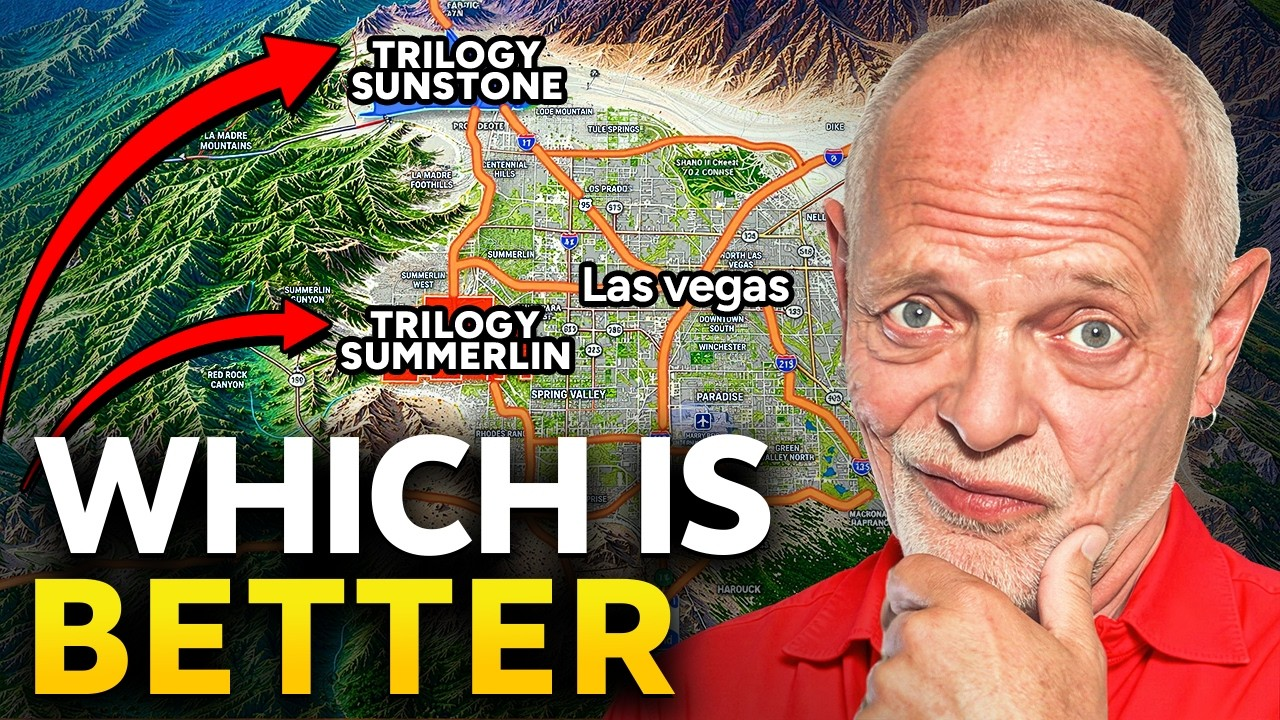
Vegas Retirement Expert Answers Your Top Questions
I get the same questions every single week. People call, email, text at all hours asking if Las Vegas is really a good place to retire. They've heard the stories, the heat, the crime, the casinos on every corner, and they want to know what's true and what's just noise. So instead of answering these one at a time, I sat down and recorded the most common questions I hear from people considering a move to Las Vegas for retirement.
This isn't a sales pitch. I've lived and worked in Las Vegas for more than 22 years, and I've helped hundreds of retirees make this transition. Some love it here. Some realize after a year that it's not for them. My job is to give you the real picture so you can make an informed decision before you pack a moving truck.
The questions range from practical (how much money do you actually need?) to personal (can you make real friends here?) to oddly specific (is the fishing any good?). I'm going to walk through each one the way I would if you were sitting across from me at a coffee shop, and I'll tell you what I tell my clients: the good, the bad, and the parts that depend entirely on what kind of retirement you're looking for.
Table of Contents
- Why Retire in Las Vegas?
- Is Crime and Drug Use a Big Problem?
- Is Vegas Really That Rundown?
- How Is the Healthcare in Las Vegas?
- Are There Top-Tier Hospitals Here?
- How Do You Find Good Doctors?
- Is Vegas Too Loud for Retirees?
- Is the Heat Livable?
- Do You Really Need Air Conditioning?
- Is the Cost of Living Actually Low?
- How Much Do You Need to Retire Comfortably?
- Are 55+ Communities Social?
- Can You Make Real Friends Here?
- Is the Fishing Any Good?
- What Do People Do Besides Gamble?
- How Bad Is the Traffic?
- Are Food Prices High?
- Is the Dark Side of Vegas Real?
- Which Retirement Lifestyle Fits You Best?
- Conclusion
Why Retire in Las Vegas?
This is the foundation question, and honestly, the answer depends on what you're leaving behind. If you're coming from California, the appeal is usually financial. No state income tax, lower property taxes, and a housing market where a half-million dollars still buys you a real house with a yard. If you're coming from the Midwest or East Coast, it's often the weather. Three hundred days of sunshine sounds pretty good when you've spent the last forty winters shoveling snow.
But the financial piece is real. Nevada has no state income tax, which means your Social Security, pension, and retirement account withdrawals aren't taxed at the state level. For someone pulling $80,000 a year from various retirement sources, that's thousands of dollars staying in your pocket instead of going to Sacramento or Albany. Property taxes are reasonable compared to most of the country, and if you're buying in a 55+ community, many of those HOA fees cover amenities you'd pay for separately elsewhere, fitness centers, pools, social programming, landscaping.
The lifestyle is another draw. Las Vegas has world-class dining, entertainment, and shopping, but it also has quiet neighborhoods where you'd never know the Strip exists. You can see a Cirque show on Saturday and play pickleball in a gated community on Sunday morning. The airport is fifteen minutes from most residential areas, which makes visiting grandkids or taking that European river cruise a lot easier than flying out of a regional hub two hours away.
Now, it's not for everyone. If you need four seasons, dense forests, or a coastline, Las Vegas will feel like a compromise. If you hate heat, you'll spend June through September indoors. And if you're expecting a small-town vibe where everyone knows your name, you're moving to a metro area of 2.2 million people. It's a city, not a retirement village.
Is Crime and Drug Use a Big Problem?
People ask this because they've seen the news. Las Vegas has crime. So does Phoenix, Denver, and Charlotte. The question isn't whether crime exists, it's whether the neighborhoods retirees actually live in are safe, and the answer is yes, most of them are.
The crime you hear about on the national news happens in specific areas, usually near the Strip or in older parts of North Las Vegas. The 55+ communities in Summerlin, Henderson, and the southwest valley have low crime rates. These are gated neighborhoods with security, HOA patrols, and residents who notice when something's off. I've had clients live in places like Anthem Country Club, Sun City Summerlin, and Inspirada for years without a single incident.
Drug use is visible in certain pockets of the city, particularly around downtown and some of the older commercial corridors. But you're not going to see that in a planned community in Henderson. You're not going to see it on a quiet cul-de-sac in the southwest. The reality is that most retirees live in neighborhoods that feel as safe as any suburb in America.
If safety is a top concern, stick to newer master-planned communities with active HOAs. Ask about gated access, security patrols, and how the community handles solicitors. And do what you'd do in any city: lock your doors, don't leave valuables in your car, and pay attention to your surroundings.
Is Vegas Really That Rundown?
This question usually comes from people who visited the Strip in the '90s or drove through North Las Vegas once and assumed the whole city looks like that. It doesn't. Las Vegas has rundown areas, but it also has some of the nicest master-planned communities in the country.
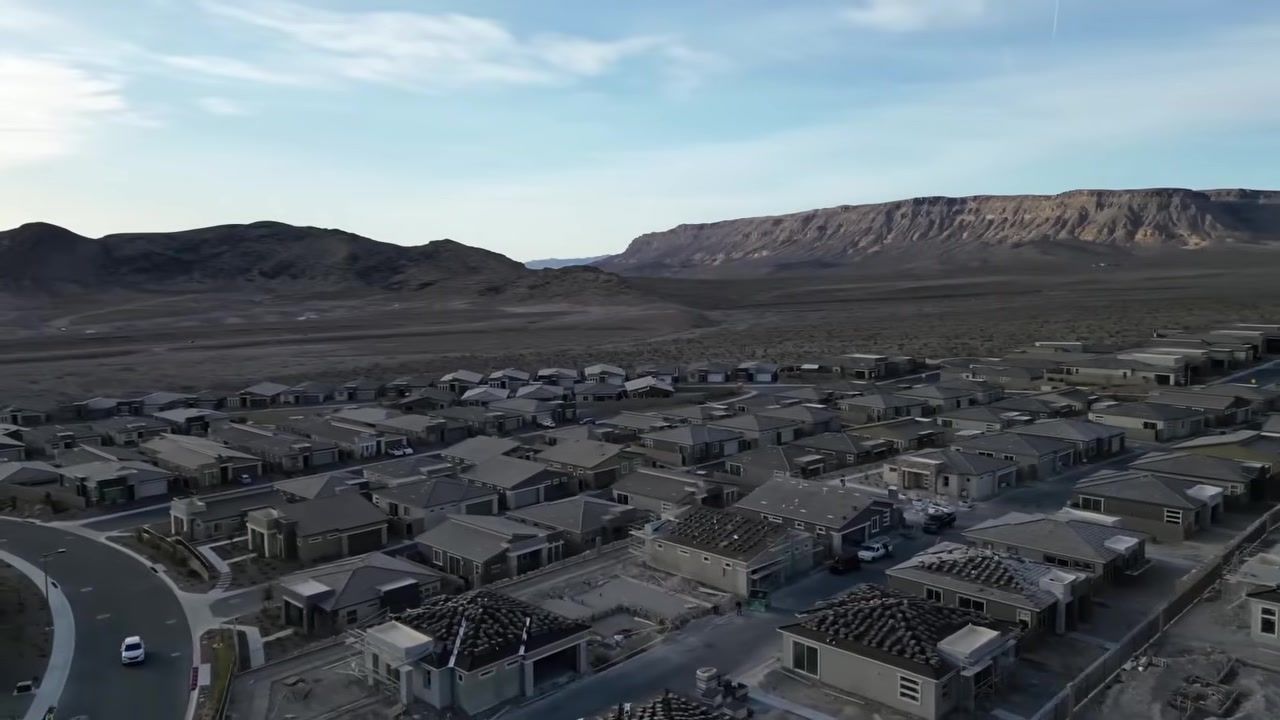
Summerlin, for example, is immaculate. The landscaping is maintained, the parks are clean, and the homes are well-kept. Henderson has neighborhoods that look like they were built last year even though they're fifteen years old. The 55+ communities I show clients, places with resort-style amenities and million-dollar views, are not rundown by any stretch.
The older parts of Las Vegas, particularly near downtown and along some of the commercial strips, do show their age. You'll see faded stucco, chain-link fences, and properties that haven't been updated since the '80s. But retirees aren't buying in those areas. They're buying in planned communities with strict HOA standards that keep everything looking sharp.
If you're worried about this, visit before you buy. Drive through the neighborhoods you're considering. Walk the community. Look at the common areas. You'll see pretty quickly that the Las Vegas retirees live in is nothing like the Las Vegas tourists see.
How Is the Healthcare in Las Vegas?
Healthcare quality is one of the most important factors for retirees, and Las Vegas has come a long way in the last decade. We have major hospital systems, specialty care centers, and a growing network of providers who cater specifically to older adults.
The two big hospital systems are Dignity Health (which includes St. Rose Dominican hospitals in Henderson and Siena in the southwest) and University Medical Center , which is the county's Level I trauma center. There's also Sunrise Hospital , Desert Springs , and Southern Hills . These aren't small rural hospitals. They're full-service facilities with cardiac care, oncology, orthopedics, and emergency departments.
For routine care, you'll find plenty of primary care physicians, specialists, and urgent care clinics. The challenge isn't availability, it's finding a doctor who's accepting new patients and who you actually like. That's true in most cities, but it's worth mentioning because some retirees assume they'll just walk into any practice and get an appointment next week. It doesn't always work that way.
One thing to know: if you have a rare condition or need highly specialized care, you might end up traveling to Los Angeles, Phoenix, or even the Mayo Clinic. Las Vegas has good healthcare, but it's not a major medical research hub. For most retirees dealing with common age-related issues, joint replacements, heart disease, diabetes management, you'll be fine here.
Are There Top-Tier Hospitals Here?
Define top-tier. If you mean hospitals that appear on U.S. News & World Report's national rankings, no, Las Vegas doesn't have a hospital in the top 20. If you mean hospitals that can handle complex surgeries, cardiac events, and cancer treatment, yes, we have those.
Cleveland Clinic opened a facility in Summerlin, which brought a nationally recognized name to the market. It's not a full hospital, but it offers specialty care and outpatient services. St. Rose Dominican has a strong reputation for cardiac care. UMC is the trauma center, so if you're in a serious accident, that's where you're going.
For most retirees, the question isn't whether Las Vegas has a world-famous hospital. It's whether you can get quality care when you need it, and the answer is yes. I've had clients go through major surgeries here, cancer treatment, joint replacements, and they've been happy with the care they received.
If having a top-ranked hospital within ten miles is non-negotiable, Las Vegas might not be your first choice. But if you're looking for solid, competent healthcare with access to specialists and modern facilities, you'll find it here.
How Do You Find Good Doctors?
This is harder than it should be, and it's not unique to Las Vegas. Finding a doctor who's accepting new patients, takes your insurance, and who you actually trust takes effort.
Start by asking for referrals. If you're moving to a 55+ community, ask your neighbors. People love to share their doctor recommendations, and you'll get honest feedback about wait times, bedside manner, and whether the office staff is competent. Online reviews help, but take them with a grain of salt. People are more likely to leave a review after a bad experience than a good one.
Check with your insurance provider. They'll have a list of in-network doctors, and you can filter by specialty, location, and whether they're accepting new patients. Call the office before you book. Ask how long it takes to get an appointment, whether they have same-day urgent slots, and what their policy is for prescription refills.
If you have a complex medical history, consider scheduling a meet-and-greet appointment before you commit. Some doctors offer brief consultations where you can ask questions and see if it's a good fit. It's worth the time upfront to avoid switching doctors six months later because you don't feel heard.
One more thing: if you're on Medicare, make sure the doctor accepts it. Not all practices do, and you don't want to find that out after you've already moved.
Is Vegas Too Loud for Retirees?
If you live on the Strip, yes. If you live in a 55+ community in Summerlin or Henderson, no. Las Vegas is a big city, and the noise level depends entirely on where you choose to live.
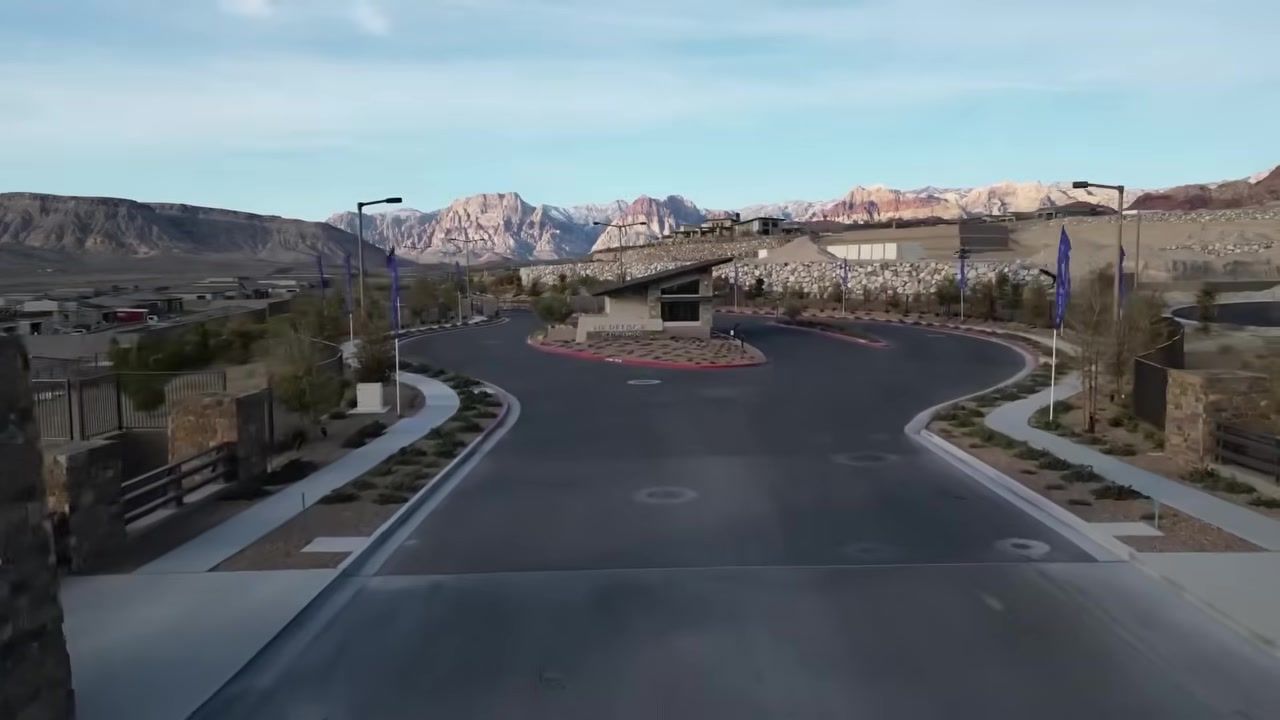
The Strip is loud. The airport is loud. Some of the major roads during rush hour are loud. But the residential neighborhoods where retirees actually live are quiet. I've walked through communities at 9 a.m. on a Tuesday and heard nothing but birds and the occasional golf cart. These are planned neighborhoods with setbacks from major roads, sound walls, and landscaping that buffers noise.
If you're noise-sensitive, avoid homes near the airport flight path, near major highways like the 215 or I-15, and near commercial areas. Stick to interior lots in gated communities. Visit at different times of day to get a sense of the ambient noise. And if you're buying a resale home, ask the neighbors. They'll tell you if there's a dog that barks all night or if the house next door throws parties every weekend.
Las Vegas can be as quiet or as loud as you want it to be. You just have to choose your location carefully.
Is the Heat Livable?
Yes, but it's not for everyone. Las Vegas summers are brutal. June, July, and August regularly hit 105 to 115 degrees. You will spend most of your time indoors during those months. If you're someone who needs to be outside every day, summer here will test you.
That said, it's a dry heat, which makes a difference. You're not dealing with humidity, so 105 in Las Vegas feels different than 95 in Florida. You can still walk early in the morning or late in the evening. Pools are usable. And most homes, stores, and restaurants are aggressively air-conditioned, so you're never far from relief.
The trade-off is nine months of incredible weather. October through May, Las Vegas is paradise. Sunny, 70s and 80s during the day, cool at night. You can golf, hike, play pickleball, sit on your patio, and never think about the weather. For a lot of retirees, that nine-month window is worth suffering through three months of heat.
If you're coming from a cold climate, you might love it. If you're coming from San Diego, you might find the summer oppressive. Visit in July before you commit. Spend a few days here. See how your body handles it. That'll tell you more than anything I can say.
Do You Really Need Air Conditioning?
Yes. This isn't negotiable. You cannot live in Las Vegas without air conditioning. I don't care how tough you are or how much you hate running the AC. You will die.
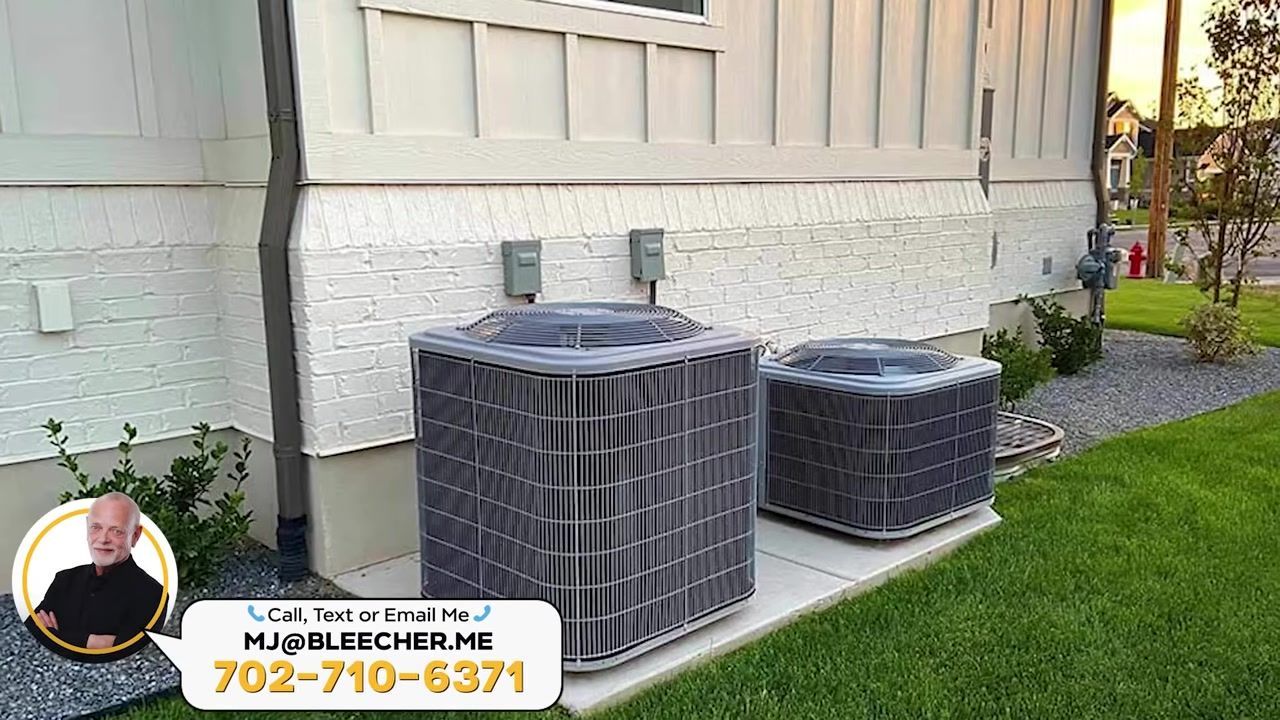
Every home in Las Vegas has central air. It's not an upgrade or an option. It's standard. Your AC will run from May through September, sometimes into October. Your summer electric bills will be higher than you're used to, expect $200 to $400 a month depending on the size of your home and how cold you keep it.
Some people try to save money by setting the thermostat to 85 during the day. That's fine if you're out of the house, but if you're home, you'll be miserable. Most people keep it between 74 and 78 in the summer. At night, you can open windows from October through April, which is nice, but summer nights are still in the 90s, so the AC stays on.
If you're buying a resale home, make sure the AC unit is in good shape. Ask when it was last serviced, how old it is, and whether it's been replaced. A new AC unit costs $5,000 to $10,000, and you don't want that surprise three months after you move in.
Is the Cost of Living Actually Low?
Lower than California, higher than some parts of the Midwest and South. Las Vegas is not the bargain it was twenty years ago, but it's still more affordable than most of the West Coast.

Housing is the biggest factor. You can still buy a nice home in a 55+ community for $400,000 to $600,000. In California, that same home would cost $800,000 or more. Property taxes are reasonable, around 0.6% to 0.8% of assessed value, depending on the county. No state income tax saves you thousands a year if you're pulling income from retirement accounts.
Utilities are moderate. Electric bills spike in the summer, but water and gas are reasonable. HOA fees in 55+ communities range from $100 to $400 a month, depending on the amenities. Some communities include cable, internet, and landscaping in that fee, which offsets the cost.
Groceries, gas, and dining out are about average for a mid-sized city. You're not going to save a ton on groceries compared to Phoenix or Tucson, but you'll pay less than you would in San Francisco or Seattle. Dining out can be expensive if you're eating on the Strip, but neighborhood restaurants are reasonably priced.
The cost of living is low enough to make a difference if you're on a fixed income, but it's not so low that you can live like royalty on a modest pension. It's a middle-ground city.
How Much Do You Need to Retire Comfortably?
This depends on your lifestyle, but I'll give you a rough number. If you own your home outright and have no major debt, you can live comfortably in Las Vegas on $4,000 to $5,000 a month. That covers your property taxes, HOA fees, utilities, groceries, insurance, and some discretionary spending.
If you still have a mortgage, add another $1,500 to $2,500 a month depending on your loan. If you want to travel, dine out regularly, and enjoy the entertainment Las Vegas offers, budget another $1,000 to $2,000 a month.
Healthcare is the wildcard. If you're on Medicare with a good supplement plan, your out-of-pocket costs are manageable. If you're retiring before 65 and need private insurance, that's expensive. Budget $500 to $1,500 a month per person until you hit Medicare eligibility.
A safe number for a couple retiring to Las Vegas with a paid-off home: $60,000 to $80,000 a year. That gives you breathing room for unexpected expenses, travel, and the occasional splurge. If you're more frugal, you can do it on less. If you want a luxury lifestyle, you'll need more.
Are 55+ Communities Social?
Yes, if you want them to be. The 55+ communities in Las Vegas are designed for social interaction. They have clubhouses, fitness centers, pools, pickleball courts, golf courses, and organized activities. There are book clubs, poker nights, wine tastings, holiday parties, and group trips. If you're someone who enjoys being around people, you'll have no shortage of opportunities.
That said, you have to show up. The community doesn't come to you. If you move in, keep your garage door closed, and never attend an event, you're not going to make friends. But if you join a club, take a fitness class, or volunteer for the HOA, you'll meet people quickly.
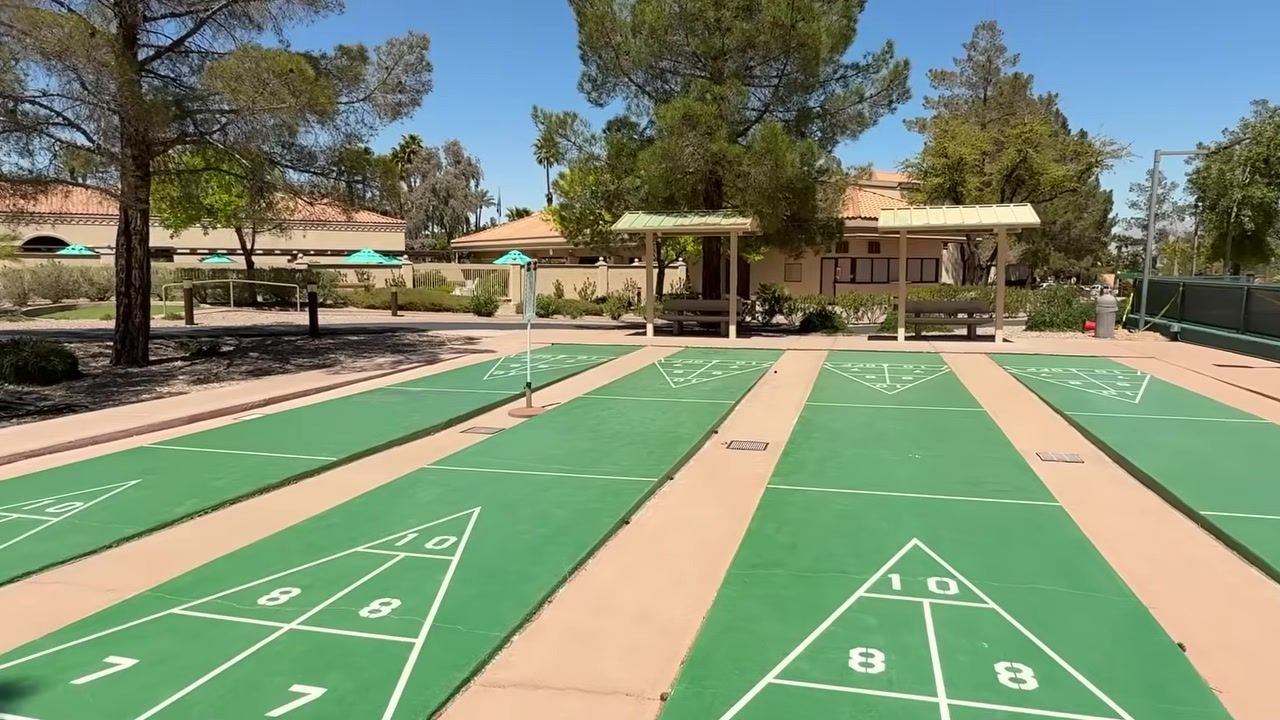
Some communities are more social than others. Sun City Summerlin has a massive social calendar with dozens of clubs. Smaller communities might have fewer organized activities but a tighter-knit group of residents. Ask about the social programming when you're touring communities. Talk to residents. They'll tell you whether people actually show up to events or if the clubhouse sits empty most of the time.
Can You Make Real Friends Here?
Yes, but it takes effort. Making friends as an adult is hard no matter where you live, and Las Vegas is no exception. The advantage here is that many retirees are in the same boat, they've just moved, they don't know anyone, and they're looking for connection.
The 55+ communities make it easier because you're surrounded by people in a similar life stage. You're not the only new person. Everyone's looking to build a social circle. Join a club, attend community events, and say yes to invitations. Friendships develop over time, but the infrastructure is there to support it.
Some people struggle because they're comparing Las Vegas friendships to the ones they left behind. You're not going to replace forty years of history overnight. But you can build meaningful relationships if you're open to it.
Is the Fishing Any Good?
Lake Mead has fishing. It's not Montana, but it's there. You can catch striped bass, largemouth bass, catfish, and rainbow trout depending on the season. The lake is about thirty minutes from most parts of Las Vegas, and it's a popular spot for boating and fishing.
If you're a serious angler, Las Vegas won't be your dream destination. If you enjoy fishing as a casual hobby, Lake Mead will keep you entertained. There are also smaller lakes and ponds in some of the master-planned communities that are stocked with fish, though those are usually catch-and-release.
What Do People Do Besides Gamble?
A lot. Most retirees I work with rarely gamble. They're here for the lifestyle, not the casinos. They play golf, pickleball, and tennis. They hike Red Rock Canyon and Valley of Fire. They take fitness classes, join book clubs, and volunteer. They travel, the airport makes it easy to visit family or take trips. They dine out, see shows, and explore the arts district.
Las Vegas has world-class entertainment, but it also has normal city amenities. There are farmers markets, hiking trails, museums, and parks. You can live here for years and never set foot in a casino if that's not your thing.
The Strip is there if you want it, but it's not the center of daily life for retirees. Most people I know treat it the way you'd treat any tourist attraction, fun to visit occasionally, but not part of your routine.
How Bad Is the Traffic?
It's a city, so there's traffic, but it's not Los Angeles. Rush hour on the I-15 and the 215 can be slow, especially near the Strip and downtown. But most retirees aren't commuting, so you can avoid the worst of it by running errands mid-morning or early afternoon.
The surface streets are generally fine. Las Vegas has a grid system, so it's easy to navigate, and there are multiple routes to most destinations. Construction is constant, which can be annoying, but it's manageable.
If you're coming from a major metro area, Las Vegas traffic will feel light. If you're coming from a small town, it'll feel congested. It's all relative.
Are Food Prices High?
Grocery prices are about average for a mid-sized city. You're not going to see a huge difference compared to Phoenix, Denver, or Dallas. Some items are slightly higher because of transportation costs, Nevada doesn't produce much food locally, but it's not dramatic.
Dining out on the Strip is expensive. A meal at a celebrity chef restaurant can easily run $100 per person. But neighborhood restaurants are reasonably priced. You can find good Mexican, Italian, Asian, and American food for $15 to $25 per person.
If you're budget-conscious, shop at Costco, Smith's, or Albertsons. Avoid Whole Foods unless you're okay with paying a premium. And take advantage of the restaurant deals, many places offer early-bird specials and locals' discounts.
Is the Dark Side of Vegas Real?
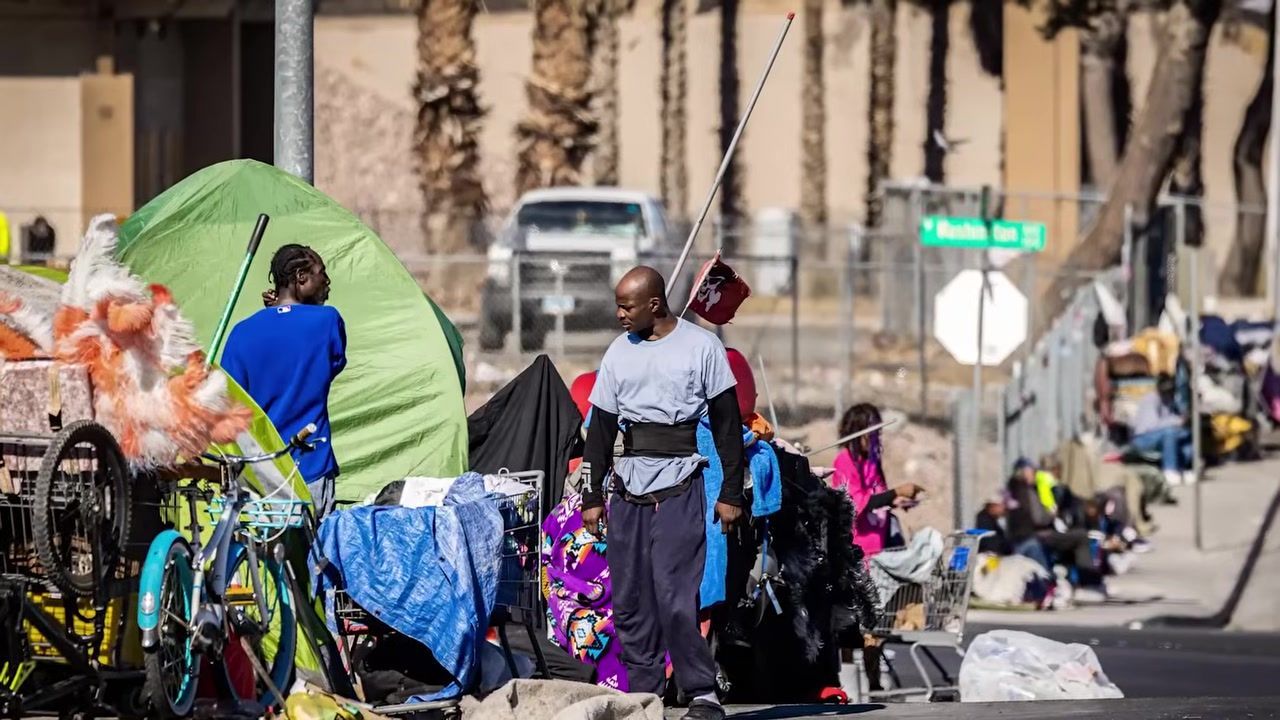
Yes, but you have to go looking for it. Las Vegas has poverty, homelessness, addiction, and crime, just like any major city. But the neighborhoods where retirees live are insulated from most of that.
You'll see homelessness if you spend time downtown or near certain commercial areas. You'll see the effects of addiction if you work in social services or volunteer in certain parts of the city. But if you live in a gated community in Henderson and spend your time playing golf and having dinner with friends, you're not going to encounter the dark side of Vegas in your daily life.
It's there, and it's real, but it's not the dominant experience for retirees. Most people I work with feel safe, enjoy their lives, and don't think about the darker elements of the city unless they're watching the news.
Which Retirement Lifestyle Fits You Best?
Las Vegas works for retirees who want sunshine, low taxes, and access to entertainment without sacrificing peace and quiet. It works for people who are okay with extreme summer heat in exchange for nine months of perfect weather. It works for people who want to be near a major airport, who enjoy dining out, and who like the idea of living in a community with built-in social opportunities.
It doesn't work for people who need four seasons, who hate heat, or who want a small-town feel. It doesn't work for people who need to be near the ocean or who want dense forests and hiking trails out their back door.
If you're on the fence, visit. Spend a week here. Drive through the neighborhoods you're considering. Talk to people who live here. You'll know pretty quickly whether Las Vegas feels like home or just another place to visit.
Conclusion
Retiring in Las Vegas is a decision that works for a lot of people, but it's not a one-size-fits-all answer. The city offers financial advantages, great weather nine months a year, and a lifestyle that blends quiet residential living with world-class amenities. But it also has trade-offs, summer heat, a big-city feel, and a healthcare system that's good but not elite.
I've spent more than two decades helping people make this move, and the ones who thrive here are the ones who come in with realistic expectations. They know what they're getting, they've done their homework, and they're ready to build a life that fits their retirement goals.
If you're considering Las Vegas, let's talk. I offer free consultations where we can go over your specific situation, your budget, and what you're looking for in a retirement community. I'll give you honest answers, show you neighborhoods that fit your criteria, and help you figure out if Las Vegas is the right move. Call or text me anytime at 702-710-6371, at your convenience. I'm here to help you make the best decision for your retirement.
FAQ: Retiring in Las Vegas
Is Las Vegas safe for retirees?
Yes, the neighborhoods where retirees live, particularly gated 55+ communities in Summerlin, Henderson, and the southwest, have low crime rates. The crime you hear about on the news happens in specific areas that retirees don't frequent. Choose a well-maintained master-planned community, and you'll feel as safe as you would in any suburb.
How much does it cost to live in a 55+ community in Las Vegas?
Homes in 55+ communities typically range from $400,000 to $600,000, with HOA fees between $100 and $400 per month. Property taxes are around 0.6% to 0.8% of assessed value. Most retirees with a paid-off home can live comfortably on $4,000 to $5,000 per month, though healthcare and lifestyle choices will affect that number.
Can I find good doctors in Las Vegas?
Yes, but it takes effort. Las Vegas has major hospital systems and plenty of specialists, but finding a doctor who's accepting new patients and who you trust requires research. Ask neighbors for referrals, check with your insurance provider, and call offices to confirm availability before you move.
What do retirees do for fun in Las Vegas?
Most retirees play golf, pickleball, and tennis, hike at Red Rock Canyon, take fitness classes, and participate in community social events. Many travel frequently thanks to the convenient airport. Dining out, seeing shows, and exploring the arts district are popular, but most retirees rarely gamble or visit the Strip.
Is the summer heat in Las Vegas unbearable?
It's intense, regularly 105 to 115 degrees from June through August, but it's a dry heat, and most activities move indoors during those months. The trade-off is nine months of near-perfect weather. If you can handle three months of staying inside during the hottest part of the day, the rest of the year makes it worthwhile.
Do I need a car to retire in Las Vegas?
Yes. Las Vegas is a car-dependent city. Public transportation exists but is limited, and most 55+ communities are designed around driving. You'll need a car for groceries, doctor's appointments, and social activities. The good news is that traffic is manageable outside of rush hour, and parking is plentiful.
Micah Bleecher Group
Helping 55+ buyers, retirees, and relocation clients make confident Las Vegas real estate decisions with local expertise, patience, and genuine care.
Recent Posts