Here is something most realtors will not tell us: plenty of people move to Las Vegas so they can leave Las Vegas whenever they want.
That is not a knock on the city. We love living here. We still get the sunshine, the tax advantages, the dining, the sports, the outdoor life, and all the entertainment Las Vegas brings. But when summer hits and the temperatures climb, it is awfully nice to lock the door in June, head somewhere cooler, and come back in September to a home that looks just like we left it.
No dead landscaping. No unexpected leaks. No frantic calls from a neighbor. That is the real lock and leave lifestyle.
Key Takeaways
- Lock and leave living lets us use Las Vegas as a home base while traveling for extended periods.
- Patio homes and HOA-managed villas can reduce exterior maintenance, but any home can be set up for travel.
- Smart thermostats, irrigation controls, cameras, water shutoffs, and a house watcher create practical layers of protection.
- Before a long trip, verify insurance coverage, secure mail, keep internet active, and notify trusted local contacts.
Table of Contents
- What Lock and Leave Living Actually Means
- Las Vegas Communities That Make Travel Easier
- The Smart Home Technology That Matters
- Technology Is Helpful, but a House Watcher Is Better
- Build Security in Layers
- The Departure Checklist Most People Forget
- Las Vegas Market Context for November 2025
- Design the Life We Actually Want
What Lock and Leave Living Actually Means
Lock and leave is not simply taking a vacation. It is designing our home life around the freedom to travel for weeks or months at a time without feeling like the house owns us.
We can take a cruise, spend July in Montana, stay near the grandkids, or chase cooler weather in Seattle. Las Vegas remains home base, but it does not require us to sit here through every hot summer day.
The basic idea is simple: choose a manageable home, set up reliable systems, give trusted local people access when needed, and remove the obvious signs that a house is unoccupied. A good lock and leave setup has several layers, not one magic solution.
For retirees and second homeowners, this flexibility is a major reason Las Vegas works so well. The airport is easy to reach from most parts of town, and it is easy to come home when we are ready. We enjoy the city when we are here and enjoy the freedom to go when we are not.
Las Vegas Communities That Make Travel Easier
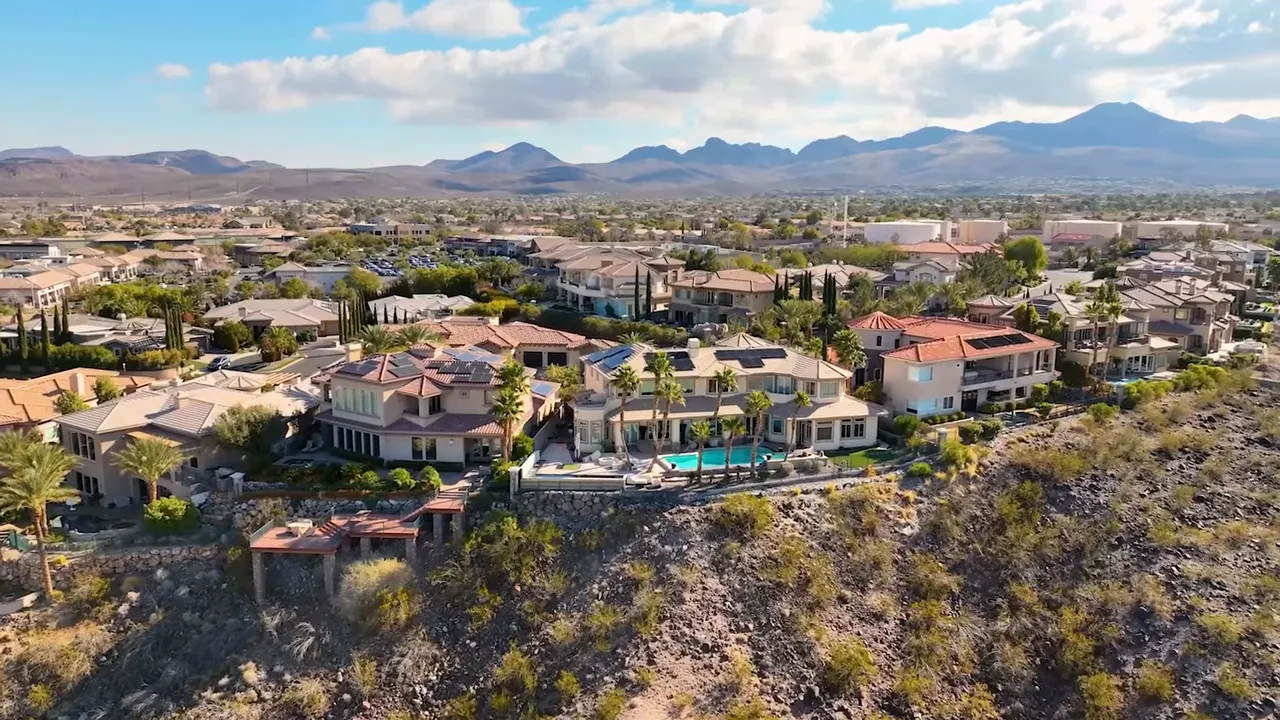
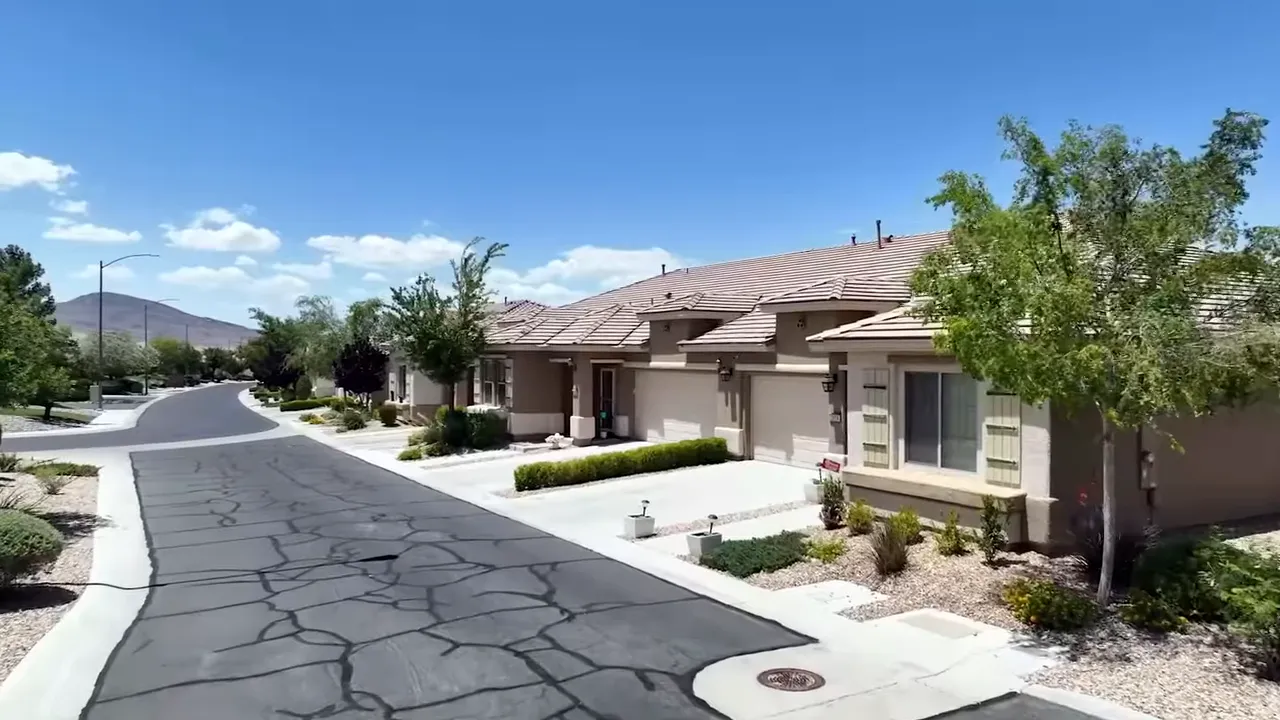
The easiest version of this lifestyle is often a patio home, villa, attached home, or duplex with an HOA or sub-association that handles much of the exterior. These homes can be smaller, but that is the point. They are easier to manage, and nobody is living above us.
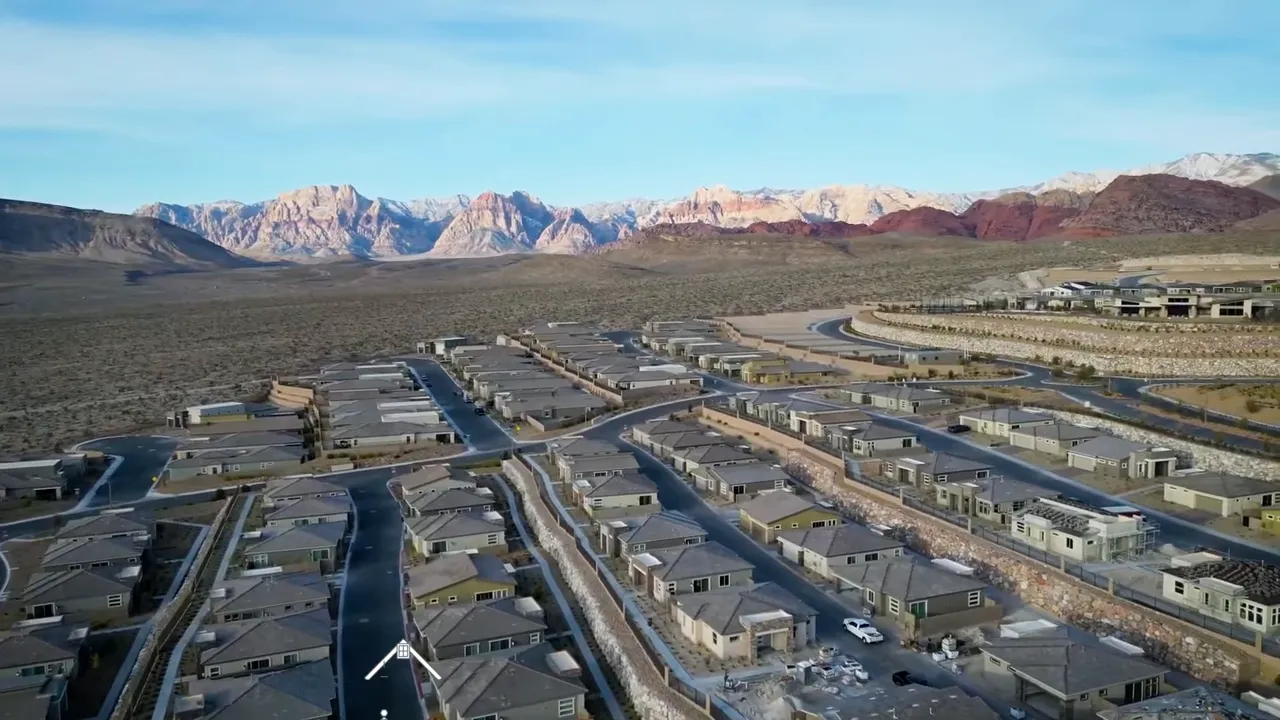
In these arrangements, the extra HOA fee can cover exterior maintenance and exterior insurance. Depending on the specific village and its rules, that can include items such as:
- Exterior paint and roof maintenance
- Front landscaping, and in some cases rear landscaping
- Water and trash services
- Exterior insurance coverage
- Common-area upkeep and neighborhood amenities
We still need insurance for the inside of the home, typically a condo-style policy for attached properties. But the exterior maintenance burden is dramatically lower than it is with a traditional detached house.
Communities to Explore
Sun City Summerlin has supported this kind of lifestyle since the late 1980s. As the oldest 55-plus community in town, it has smaller duplex-style homes in sub-associations where much of the exterior is managed. The precise coverage varies, so we always need to review the HOA documents before buying.
Solera at Anthem has a gated patio-home village with mountain views and exterior maintenance built into the setup. Sun City Anthem, Siena, and other communities also offer smaller patio-style homes that can work well for extended travel.
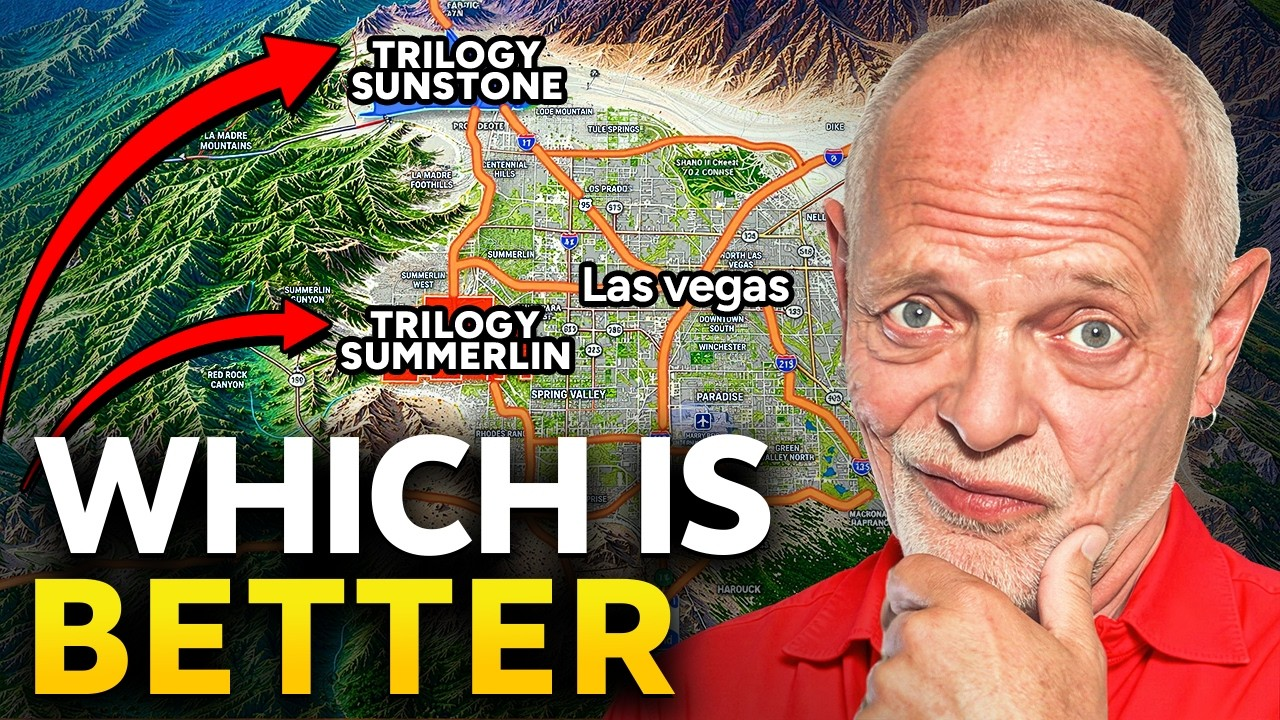
Trilogy at Sunstone in the Northwest is particularly interesting for newer construction. In its Resort Collection patio homes, the HOA takes care of landscaping in both the front and back yards. That matters because many communities only handle the front. Trilogy in Summerlin is sold out, but resale opportunities may still be available.
None of this means we must buy a villa or move into a 55-plus community. Any house can become a lock and leave home. The difference is that a traditional detached house requires us to coordinate landscapers, exterior maintenance, and inspections ourselves. These communities simply make the process less complicated.
The Smart Home Technology That Matters
We do not need a fifty-thousand-dollar whole-home automation system to travel with confidence. A few practical devices, installed for a few hundred dollars or with help from a handyman, can cover the biggest risks.
Smart thermostat
In Las Vegas, air conditioning is not optional during a summer absence. We do not need to run the home at full blast, but we do need to keep indoor conditions reasonable so the home does not turn into an oven when it is 115 degrees outside.
A smart thermostat lets us use an energy-saving setting while away, check the temperature on a phone, and cool the home before we return. A Nest thermostat, for example, can shift into Eco Mode after it senses we are gone and can begin cooling when we are heading home.
Smart irrigation controls
Desert landscaping can go downhill fast. If irrigation fails for even a couple of weeks in summer, plants can die. Smart irrigation controls let us check whether sprinklers are running, change a schedule, or shut the system down from anywhere.
One especially useful move is giving our licensed irrigation professional access to the system. They can make seasonal adjustments and respond when they are physically at the property, while we retain control from wherever we are traveling.
Doorbells and exterior cameras
Ring doorbells and Wi-Fi cameras are affordable, easy to place around the house, and great for peace of mind. They can notify us when someone approaches the door or enters the yard. The point is not to obsessively monitor the home. It is to have a quick way to check the property and a record of activity if something looks unusual.
Automatic main water shutoff
For long trips, this is one of the smartest protections we can add. An internet-connected main water shutoff device measures water flowing through the pipe. If it detects continuous water use that suggests a leak, it can shut off the water and send an alert.
Water damage is one of the biggest risks for an unoccupied home. We have seen these systems catch smaller problems too. In one case, the system detected a toilet flapper stuck open. It was not a flood, but it was wasting water continuously. The alert allowed a handyman to fix the issue before it became expensive.
We do need to be careful about simply turning off the main water valve before a trip. Some appliances need water, and in some homes the main shutoff may also affect irrigation. Before doing that, check appliance manuals and confirm that the irrigation supply is independent.
Technology Is Helpful, but a House Watcher Is Better
Even the best app cannot bring in mail, check beneath a sink, feed a cat, or walk through the home after an alarm alert. For that, we recommend a trained house watcher.
A professional house watcher is not just somebody who drives by. They use a checklist, inspect key systems, look for drips or leaks, check appliances, and communicate what they find. They can also respond in person when an alarm goes off.
For anyone who is gone for months at a time, this local set of eyes and ears is worth every penny. Technology identifies a problem. A real person helps us solve it.
We can also request extra drive-bys through the Las Vegas Metropolitan Police Department area command service request process. That can be an added layer, but it does not replace a house watcher or a trusted local contact.
Build Security in Layers
Gated communities can reduce drive-through traffic, but gates do not guarantee that nobody will ever bother a home. Electronic gates can be followed through, and even a guard gate is not an absolute barrier. They are one layer of protection, not the whole plan.
The best approach combines community patrols, cameras, alarms, a house watcher, trusted neighbors, and physical improvements where appropriate.
Security shutters and window film
Security shutters are metal horizontal slats that roll down over windows and doors. They make entry much harder, shield windows from weather and sun exposure, add privacy, and can help with heat control. Some are manual, while others operate from a wall switch or remote control.
Security film is a lighter option. It strengthens glass, makes it slower and more difficult to break, and helps hold shattered glass together. Film with UV protection can also block up to 99 percent of UV rays, helping protect furniture, flooring, and artwork from fading in direct sun.
Neighbors, patrols, and contact numbers
In many larger Las Vegas communities, patrols already circulate through the neighborhood. Some 55-plus communities also have volunteer programs that help keep an eye on things. We should get to know our neighbors before the trip, not after a problem begins.
A simple introduction, a card with contact information, and a small treat can go a long way. We should also store the phone numbers for our house watcher, HOA security, neighbors, landscaper, handyman, plumber, and alarm company directly in our phone.
If an alarm triggers, neighborhood patrol may be able to arrive faster than an outside response. The more layers we have, the more likely a small issue stays small.
The Departure Checklist Most People Forget
A lock and leave home should not feel complicated, but preparation matters. Before a longer trip, handle these practical details:
- Unplug small appliances and electronics that do not need power.
- Keep the internet connected because cameras, sensors, irrigation controls, and thermostats need it.
- Tell the HOA, security patrol, and house watcher about the travel dates.
- Stop mail and newspapers, or arrange for reliable pickup.
- Confirm that every monitoring app is working on the phone.
- Keep trusted local contact numbers with us, not on a note left inside the house.
- Call the insurance company before a long absence.
That last item is a big one. Insurance companies may treat a long absence differently from a standard occupied home. In some cases, six months away can be considered vacancy, which may affect coverage. One call before the trip can prevent a very big headache later.
Las Vegas Market Context for November 2025
The November 2025 market snapshot points to a more balanced environment for buyers considering a Las Vegas lock and leave home. The reported median single-family sale price was $488,995, up 1.9 percent year over year. Sales volume was 1,538 homes, down 6.6 percent from the previous year.
About 47 percent of homes sold within 30 days or less, compared with 57 percent a year earlier. Inventory was reported at 7,033 single-family homes, and months of supply sat at 4.6 months.
Good homes that are priced well still move, but the rapid jumps of prior years appear to be stabilizing. For buyers who want a low-maintenance patio home, a 55-plus community, or a traditional home they can set up for travel, that softer environment can create opportunity.
Design the Life We Actually Want
We do not have to choose between enjoying Las Vegas and getting away from Las Vegas. That is the whole point. A well-prepared home gives us the freedom to enjoy a cool summer elsewhere and return when the weather is beautiful again.
After years in insurance, we have seen what happens when homes sit unmonitored. Leaks, plumbing problems, and fires can become major claims when no one catches them early. When homeowners plan ahead, the same kinds of issues are often manageable.
That is what lock and leave is really about. It is not overthinking. It is putting the right home, maintenance plan, technology, local support, and security layers in place so our house works around our plans, not the other way around.
Planning a Lock-and-Leave Lifestyle in Las Vegas?
If you’re looking for a Las Vegas home that makes it easier to travel, spend summers elsewhere, and come back without the stress, book a call with me. I can help you explore homes and communities that fit a true lock-and-leave lifestyle.
Frequently Asked Questions
Can any Las Vegas home become a lock and leave home?
Yes. A traditional detached home can work well if we arrange landscaping, monitoring, inspections, and trusted local help. Patio homes and HOA-managed properties simply reduce the amount we must coordinate ourselves.
What technology is most useful for an extended absence?
A smart thermostat, smart irrigation controller, exterior cameras or video doorbell, and water leak detection or automatic main shutoff device address the biggest day-to-day concerns.
Should we turn off the water before leaving for months?
It can be an option, but we need to check appliance requirements and make sure the water shutoff does not also disable irrigation. An automatic water shutoff provides another option by responding when it detects continuous flow.
Do gated communities guarantee security?
No. Gates reduce traffic and add a layer of control, but they do not guarantee protection. Cameras, alarms, patrols, shutters or film, house watchers, and attentive neighbors work better together.