For decades, Florida was the default answer to the retirement question. Warm weather, beaches, no state income tax, and an established community of retirees made it an easy choice.
But lately, I keep hearing a different conversation. A client from Florida recently looked me in the eye and said, “We can’t take another hurricane season.” That really stuck with me.
This is not anti-Florida. Florida remains a wonderful place, and for some people it will always be the right retirement destination. But many retirees are now comparing the two states side by side and finding that retirement living in Las Vegas checks boxes Florida once owned.
The issue is not simply weather, taxes, or buying a house. It is predictability. It is knowing what your insurance, property taxes, HOA expenses, maintenance, and lifestyle may look like five or ten years down the road.
Table of Contents
- Why Retirees Are Looking West
- Insurance Stability In Las Vegas
- Housing And 55 Plus Communities
- Taxes And Monthly Cost Predictability
- The Las Vegas Retirement Lifestyle
- Who Is A Good Fit For Las Vegas
- When Florida May Still Be The Better Choice
- Final Thoughts On Las Vegas Vs Florida Retirement
- Frequently Asked Questions
Why Retirees Are Looking West
Florida is still growing and still attracts retirees. The change is that middle-class retirement there can feel more difficult than it did in the past. Rising housing costs, insurance premiums, condo assessments, and overall living costs have forced many people to take a second look at their plan.
That is where Las Vegas enters the conversation. It has no state income tax, sunshine most of the year, newer housing inventory, major airport access, exceptional dining and entertainment, and a surprisingly strong outdoor lifestyle. More importantly, many retirees find the financial picture easier to anticipate.

Retirement should be about enjoying your time, not bracing for the next major bill. No location is completely free of expenses or risk, of course. But the kinds of risks matter. In Las Vegas, homeowners are generally not preparing for hurricanes, storm-surge flooding, and coastal corrosion.
That difference becomes very real when a person is living on a fixed income or simply wants a more manageable monthly budget.
Insurance Stability In Las Vegas
Insurance is one of the biggest reasons retirees are comparing Las Vegas with Florida right now.
In Nevada, homeowners insurance commonly falls in the low thousands annually, depending on the property, coverage, claims history, and insurer. In Florida, homeowners in many areas are paying several thousand dollars per year, and coastal or high-risk areas can be dramatically more expensive.
The challenge in Florida is not just the premium. It is the uncertainty. Hurricane risk and the global reinsurance market can have an immediate impact on what homeowners pay. A difficult storm season can mean higher premiums, higher deductibles, fewer coverage options, or all of the above.
That is a hard variable to control. You can choose a different car, adjust coverage, or reduce auto insurance costs in some cases. You cannot change the hurricane exposure of a coastal property.
Now, to be fair, Las Vegas has its own insurance issue. Auto insurance can be relatively expensive compared with some other states. There are ways to mitigate that, including reviewing coverage, shopping rates, driving an older vehicle, or carrying liability-only coverage when appropriate. But homeowners insurance tends to be more stable, and that stability is what many retirees value.
I have seen the contrast firsthand. One recent client described paying more than $3,000 annually for homeowners insurance in Florida and roughly $1,000 annually after moving to Las Vegas. Every home, policy, and location is different, but those are the kinds of comparisons prompting people to investigate a move.
For a deeper look at risk preparation and coverage questions, the Federal Emergency Management Agency provides useful resources for homeowners assessing disaster exposure.
Housing And 55 Plus Communities
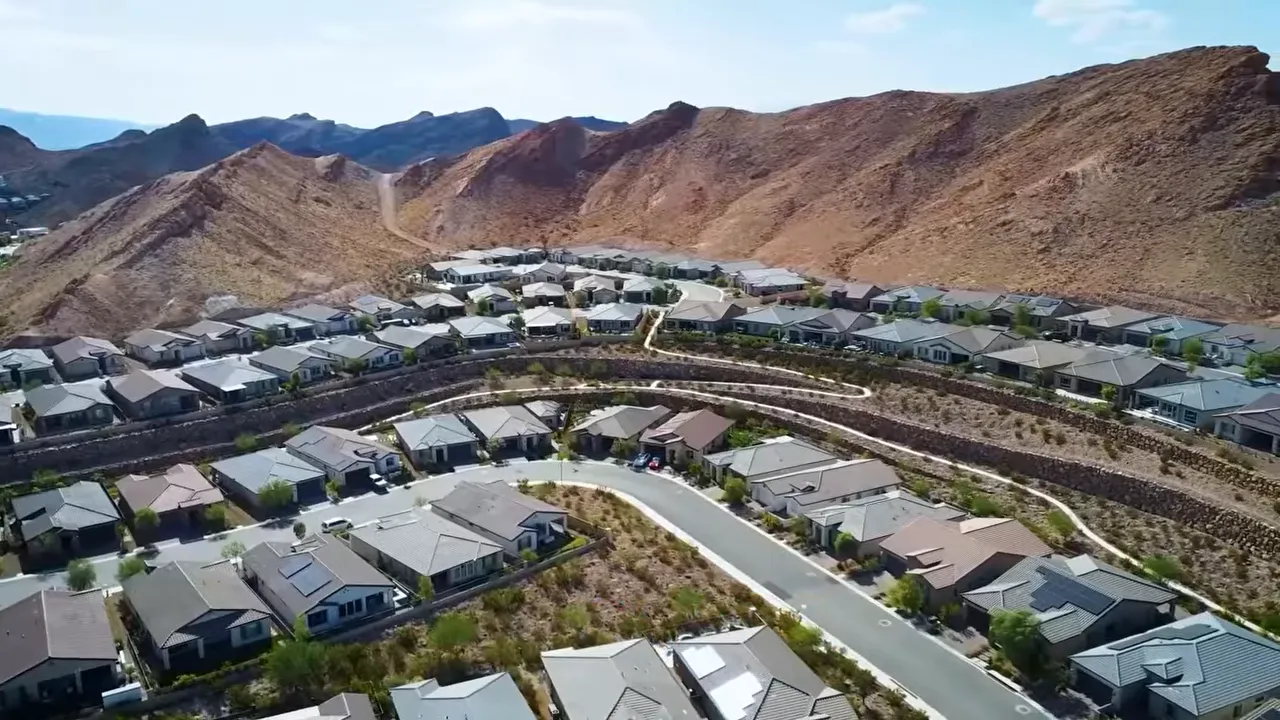
Another major advantage for retirement living in Las Vegas is the housing itself. Much of the valley has been developed more recently than traditional retirement markets, and many homes are designed around how people want to live today.
That often means single-story floor plans, manageable yards, open living areas, newer systems, and lock-and-leave convenience. You can also find multilevel homes with first-floor primary bedrooms or elevators for people who want extra space for guests and family.
Across the valley, there is a major concentration of active adult and master-planned communities. These are not isolated retirement compounds hidden outside the city. Many are integrated into the broader Las Vegas area, with shopping, restaurants, medical care, golf, and entertainment nearby.
Notable 55 Plus Community Options
- Sun City Summerlin: Nevada’s largest 55-plus community, with nearly 8,000 homes and more than 80 social clubs.
- Sun City Aliante: A North Las Vegas community with nearly 2,000 homes, clubs, activities, bowling leagues, and art workshops.
- Del Webb At Lake Las Vegas: A resort-style option with trails, golf access at Reflection Bay, and proximity to West Henderson healthcare.
- Trilogy At Sunstone: A newer northwest valley community with a clubhouse, fitness facilities, pickleball courts, culinary space, and social programming.

These communities tend to prioritize low-maintenance living. You are not dealing with salt air, coastal corrosion, hurricane shutters, or the unique maintenance demands of humid waterfront properties.
Many homes in these communities generally fall into the $400,000 to $800,000 range, depending on location, condition, size, age, and amenities. Some properties cost more, naturally, but there is a wide selection of single-story homes and active adult neighborhoods throughout the valley.
HOA fees matter too. Las Vegas has communities with master-plan fees, village fees, and gated-neighborhood fees, so every property should be reviewed carefully. Still, many buyers find the combined cost manageable compared with Florida condo or coastal association fees.
In Florida, insurance expenses, hurricane exposure, and new structural safety requirements can drive dues higher or lead to special assessments. Following the 2021 Surfside collapse, Florida adopted additional condo inspection and reserve requirements. Those requirements are important, but they can create challenging financial pressure for owners of older units. The Florida Department of Business and Professional Regulation is a helpful starting point for condominium information.
Taxes And Monthly Cost Predictability
Both Nevada and Florida have no state income tax. Everybody knows that headline. The fuller monthly picture is where the comparison gets interesting.
Nevada is one of the lower property-tax states in the country, with owner-occupied home taxes generally below the national average. Nevada also limits annual property-tax increases for qualifying owner-occupied homes, helping create a more predictable long-term budgeting environment.
One client recently shared that his Florida property tax bill was about $6,500. After purchasing in Las Vegas, his new tax bill was about $3,000. That is one client’s experience, not a promise or universal comparison, but it illustrates why people are looking carefully at the full ownership picture.
In Florida, condo ownership has become particularly complex for some retirees. Higher insurance costs, reserve funding, inspections, repairs, association dues, and special assessments can create expenses that are difficult to forecast. A low property tax rate means less when several other housing costs are climbing at once.
Las Vegas is not the cheapest place in America. Land is scarce, housing prices are not low, and certain costs can surprise people. But compared with many Florida markets, the overall structure can feel less volatile: lower homeowners insurance in many cases, lower property taxes, and fewer hurricane-driven housing shocks.
The Las Vegas Retirement Lifestyle
People sometimes hear “Las Vegas” and picture nothing but casinos, bright lights, bells, buzzers, and the Strip. That is a very small part of the full story.
Most retirees are not moving to the Strip. They are moving into peaceful, thoughtfully planned communities across the valley. You can live in a quiet neighborhood and still be 20 to 30 minutes from major entertainment, dining, and events when you want them.
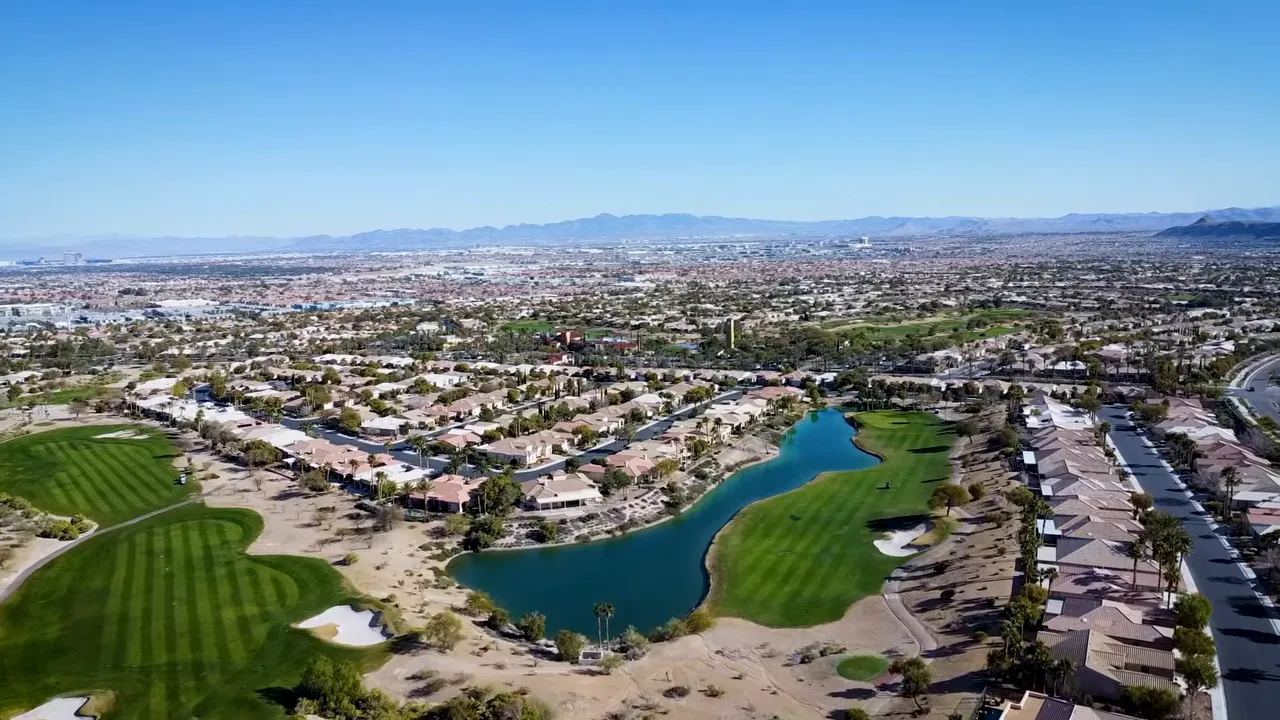
Las Vegas offers mild winters, very low humidity, and around 300 sunny days a year. For people tired of gray skies, sticky humidity, or long indoor seasons, that is a big lifestyle upgrade.
Dining, Entertainment, And Everyday Convenience
There is always something happening. Las Vegas has resident access to major shows, Cirque du Soleil productions, headliners, comedy, sports, local events, and restaurants at every level.
The dining scene is deep. There are casual neighborhood spots, excellent local favorites, and spectacular special-occasion restaurants. Recent names in the city include Bazaar Meat by José Andrés, Fiola by Fabio Trabocchi, Cantina Contra Mar by Gabriela Cámara, and Stubborn Seed by Jeremy Ford.
And here is something retirees appreciate: dining off the Strip is often less expensive and highly competitive. Great local restaurants have to earn repeat business, which benefits everybody living here.
The airport is another serious advantage. Harry Reid International Airport provides nonstop routes throughout the United States and growing international service. When family members are spread around the country, that connectivity matters. It also helps that friends and family often already want to come to Las Vegas.
Outdoor Recreation Around The Valley
The outdoor lifestyle is one of the biggest surprises for people who do not know Las Vegas well.
Red Rock Canyon sits just west of Summerlin and offers access to nearly 200,000 acres of striking desert landscape. Trails such as Calico Tanks, Ice Box Canyon, and Pine Creek Canyon provide memorable options for getting outside. For official trail updates, permits, and safety information, visit the Bureau of Land Management Red Rock Canyon page.
Mount Charleston offers cooler temperatures, forests, and even winter skiing or snowboarding. Valley of Fire delivers some of the most spectacular red rock formations in the Southwest, including approachable trails such as Fire Wave.
Golfers have more than 50 courses in and around the valley, including Red Rock Country Club, Southern Highlands, Las Vegas Country Club, and SouthShore at Lake Las Vegas.

Who Is A Good Fit For Las Vegas
Las Vegas can be an excellent fit for retirees who want financial stability without giving up an active lifestyle. The people who tend to thrive here often want a nice home, manageable monthly expenses, sunshine, and plenty of ways to stay engaged.
It can be especially attractive for:
- Retirees and near-retirees seeking more predictable insurance and housing costs.
- Florida condo owners facing rising dues, insurance costs, or special assessments.
- Empty nesters who want to downsize into a single-story or lock-and-leave home.
- People who enjoy golf, hiking, pickleball, dining, entertainment, and easy travel.
- Buyers who want an active adult community without being far from a major city.
- Families who need room for guests, RV lifestyles, or regular visits from adult children and grandchildren.
Retirement living in Las Vegas works because the whole valley can feel like an amenity. You do not have to live in a 55-plus community to enjoy the lifestyle, but many people love the convenience, friendships, clubs, and maintenance simplicity those communities provide.
When Florida May Still Be The Better Choice
Now, friends, let’s be fair. Las Vegas is not perfect for everybody.
If your dream retirement requires walking along the beach every morning, Florida is probably still the winner. Las Vegas has lakes, pools, golf, mountain views, and incredible desert scenery, but it does not have an ocean. San Diego is a little more than four hours away by car, but that is not the same as living on the coast.
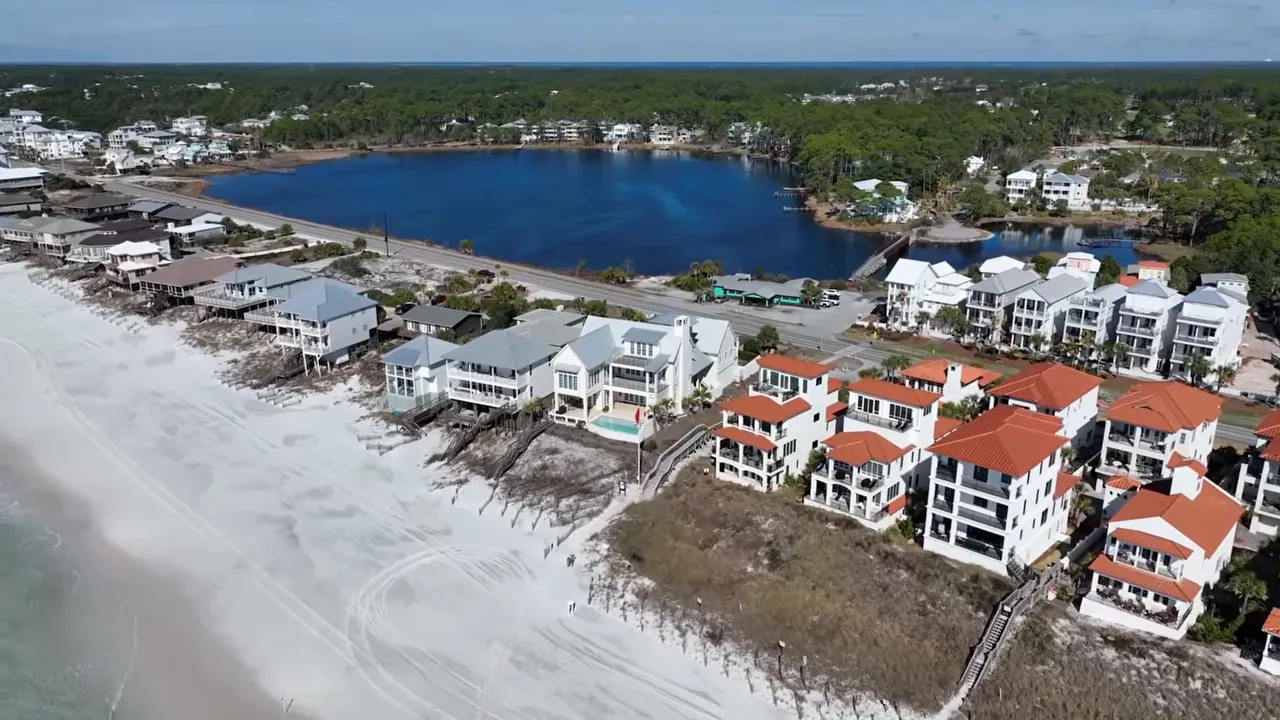
Florida may also be the better choice if your family is deeply rooted there and staying close to them is the priority. That is a real consideration. Retirement is not only a spreadsheet. Being near children, grandchildren, longtime friends, and familiar places has value.
And yes, some people genuinely prefer humidity, lush greenery, and coastal weather. That might sound crazy to us desert people, but everybody has their own version of paradise.
Final Thoughts On Las Vegas Vs Florida Retirement
Florida will always attract retirees. It has beaches, culture, communities, and plenty of qualities people love. But Las Vegas is becoming a compelling long-term choice for retirees who want modern homes, active living, lower humidity, great access to travel, and more predictable ownership costs.
The strongest case for Las Vegas is not that it is the absolute cheapest place to live. The strongest case is that it can be easier to plan around. Insurance stability, newer housing, property-tax predictability, manageable maintenance, and an active lifestyle all add up.
If you are considering retirement living in Las Vegas, plan early. Some people begin exploring five years before they are ready to move, and honestly, that is smart. A little local knowledge early in the process can make a major difference later.
Schedule a consultation if you would like to talk through communities, housing styles, budgets, or the practical realities of relocating. There is no better strategy than planning ahead.
Frequently Asked Questions
Is Las Vegas cheaper than Florida for retirees?
It depends on the home, neighborhood, insurance profile, and lifestyle. Both states have no state income tax, but many retirees find Las Vegas offers more predictable homeowners insurance, property taxes, HOA costs, and maintenance expenses than parts of Florida.
Are There Good 55 Plus Communities In Las Vegas?
Yes. Popular options include Sun City Summerlin, Sun City Aliante, Del Webb at Lake Las Vegas, and Trilogy at Sunstone. The valley also has many non-age-restricted communities with single-story homes, first-floor primary suites, and low-maintenance layouts.
Does Las Vegas Have Outdoor Activities For Retirees?
Absolutely. Red Rock Canyon, Mount Charleston, Valley of Fire, Lake Las Vegas, golf courses, walking trails, pickleball courts, and community clubs provide plenty of ways to stay active.
Who Should Not Retire In Las Vegas?
Las Vegas may not be the best fit for people who need beach access every day, strongly prefer humid coastal weather, or need to stay close to family and friends in Florida. The right location is always personal.