Las Vegas 55+ Communities vs The Villages Florida Comparison
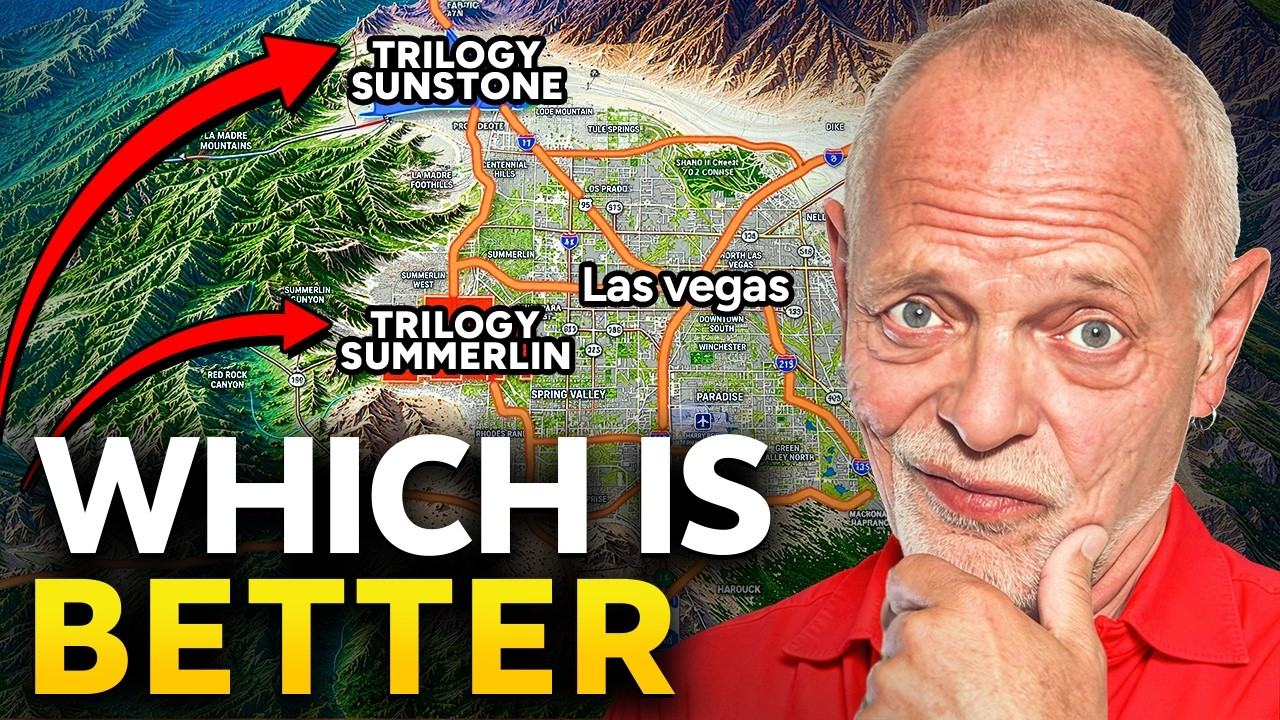
I've spent more than 22 years living and working in Las Vegas, and I've watched thousands of retirees make the move here from all over the country. A question I hear constantly is how our 55+ communities stack up against The Villages in Florida. It's a fair comparison, both markets attract active adults looking for resort-style amenities, warm weather, and a built-in social scene. But the similarities end there.
The Villages has become almost mythical in retirement circles. It's massive, self-contained, and designed around golf carts and town squares. Las Vegas offers something different: multiple distinct 55+ communities spread across the valley, each with its own personality, price point, and proximity to world-class dining, entertainment, and outdoor recreation that exists far beyond any single development's gates. You're not buying into one planned universe here. You're choosing a neighborhood within a major metropolitan area that happens to have some of the best weather, lowest taxes, and most diverse retirement options in the country.
This comparison isn't about declaring a winner. It's about helping you understand what trade-offs matter most when you're deciding where to spend your retirement years. I'll walk through the real differences in lifestyle, cost, climate, amenities, and what it actually feels like to live in each place.
Table of Contents
- The Villages Florida: What You're Actually Getting
- Las Vegas 55+ Communities: The Desert Alternative
- Climate and Weather: Humidity vs Dry Heat
- Cost of Living and Taxes: Where Your Money Goes Further
- Amenities and Lifestyle: Golf Carts vs The Strip
- Healthcare and Services: Access When You Need It
- Which Retirement Destination Is Right for You?
- Conclusion
The Villages Florida: What You're Actually Getting
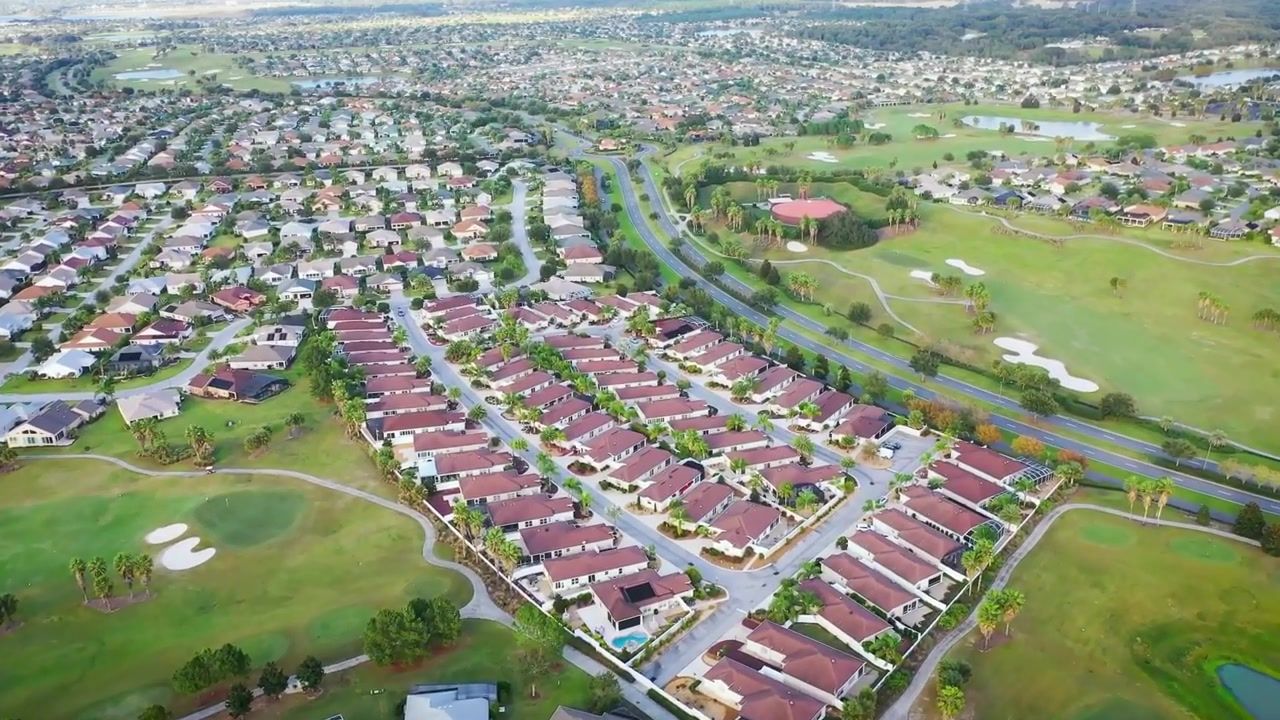
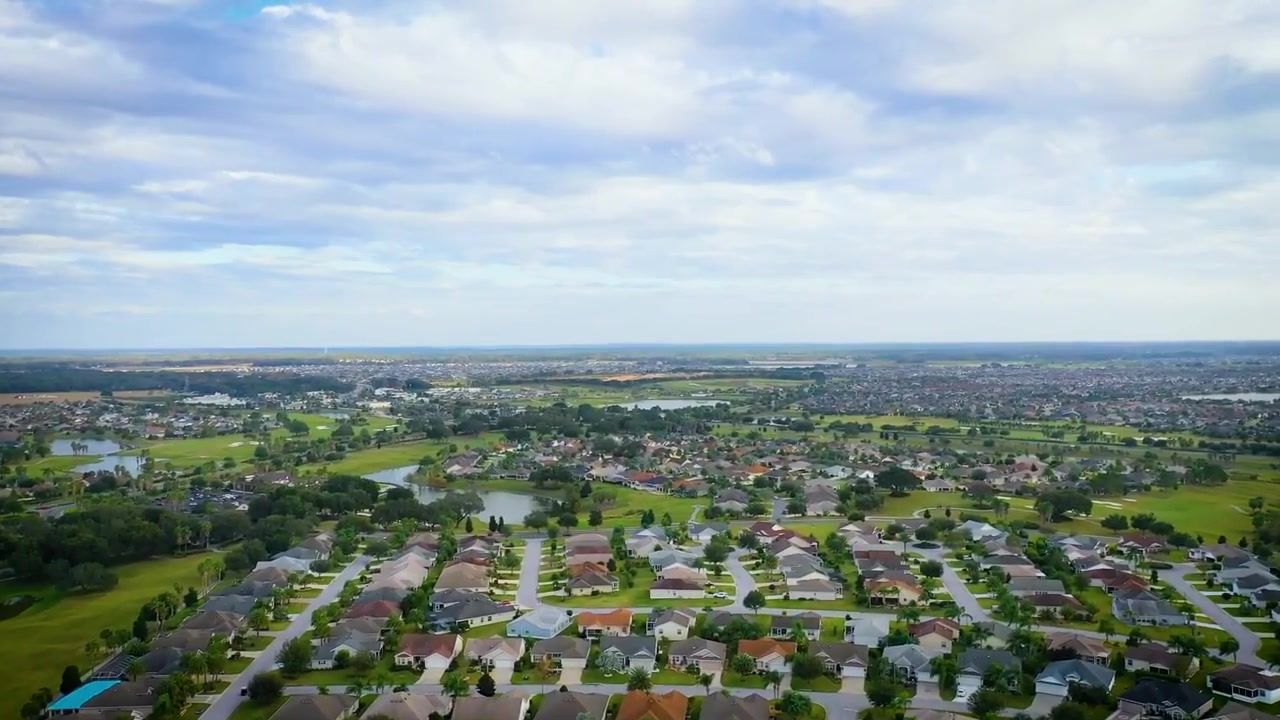
The Villages is enormous. It spans three counties in central Florida and houses over 130,000 residents, making it one of the largest retirement communities in the world. The entire place is designed around a specific vision: golf cart living, town squares with live entertainment every night, and hundreds of clubs and activities. You can go days without leaving the development or getting into a car.
That self-contained nature is exactly what draws people. Everything you need is theoretically within golf cart distance. Medical facilities, shopping, restaurants, recreation centers, it's all built into the master plan. The social calendar is packed. If you want to join a pickleball league, a book club, or a group that meets to discuss classic cars, you'll find it. The sense of community is real, and for people who thrive on constant activity and easy friendships, it delivers.
But that scale and density come with trade-offs. You're living in a place where nearly everyone is retired and roughly the same age. The nearest major city is Orlando, about an hour away. If you want cultural diversity, professional sports, or a restaurant scene that extends beyond chain concepts and development-approved vendors, you're driving. The Villages is its own ecosystem, and you're either all-in on that lifestyle or you're going to feel isolated.
Florida's weather is another factor people underestimate until they live there. Summers are brutally humid. Afternoon thunderstorms are a daily occurrence from June through September. Hurricane season is real, and even if a storm doesn't hit you directly, the preparation and anxiety become part of your annual routine. The Villages sits inland, which reduces direct hurricane risk, but flooding and power outages still happen.
Property taxes in Florida are relatively low thanks to homestead exemptions, and there's no state income tax. But HOA fees in The Villages can run several hundred dollars a month, and you're paying for amenities whether you use them or not. Resale values have historically been strong, but you're buying into a market that's entirely dependent on one demographic and one development company's long-term vision.
Las Vegas 55+ Communities: The Desert Alternative
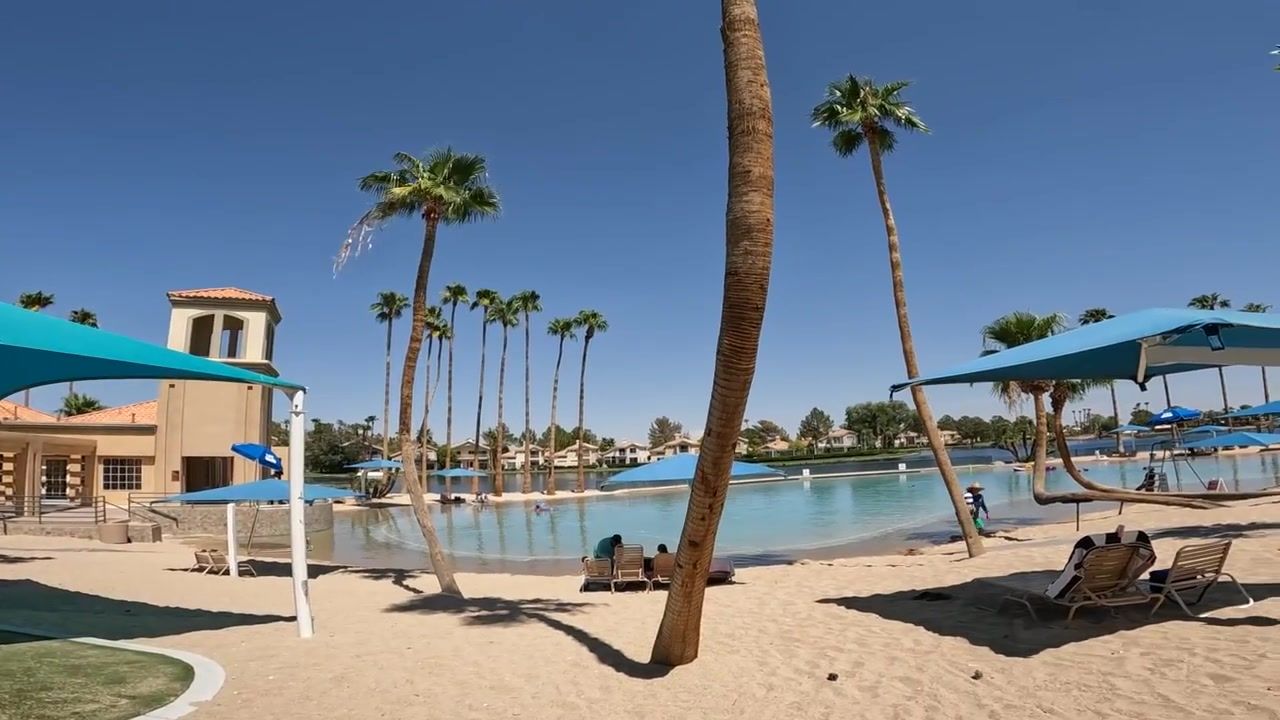
Las Vegas offers a completely different model. Instead of one massive development, you have multiple 55+ communities scattered across the valley, Summerlin, Henderson, North Las Vegas, and the southwest. Each community has its own character, price range, and amenities. Some are gated with resort-style clubhouses and golf courses. Others are more low-key, focusing on single-story homes and walkable neighborhoods without the country club vibe.
What you're getting here is choice. You can live in a guard-gated community in Anthem with mountain views and access to hiking trails. You can choose a smaller neighborhood in Summerlin near Red Rock Canyon. You can find affordable options in North Las Vegas that still give you access to the broader Las Vegas lifestyle. You're not locked into one developer's vision or one community's social calendar.
Living in Las Vegas means you're part of a real city. We have professional sports now, the Golden Knights, the Raiders, the Aces. We have world-class dining that goes far beyond buffets and steakhouses. We have entertainment options that range from Cirque du Soleil to intimate jazz clubs to headline concerts nearly every night. You can live in a quiet 55+ neighborhood and still be 20 minutes from the Strip, or you can choose a community that feels completely removed from the tourist corridor.
The weather here is dry heat, and that makes a massive difference. Summers are hot, regularly over 100 degrees from June through August, but the lack of humidity means it's manageable. You're not walking through soup every time you step outside. Mornings and evenings cool down. You can sit by the pool at 7 PM and actually enjoy it. We don't have hurricanes. We don't have tornadoes. We get about 300 days of sunshine a year, and winter temperatures rarely drop below the 50s during the day.
Nevada has no state income tax, just like Florida. Property taxes are moderate, and many 55+ communities have HOA fees that are significantly lower than what you'd pay in a comparable Florida development. You're not funding a massive infrastructure of town squares and nightly entertainment. You're paying for your specific community's amenities, and if you want entertainment, you drive ten minutes into the city and choose from hundreds of options.
Climate and Weather: Humidity vs Dry Heat
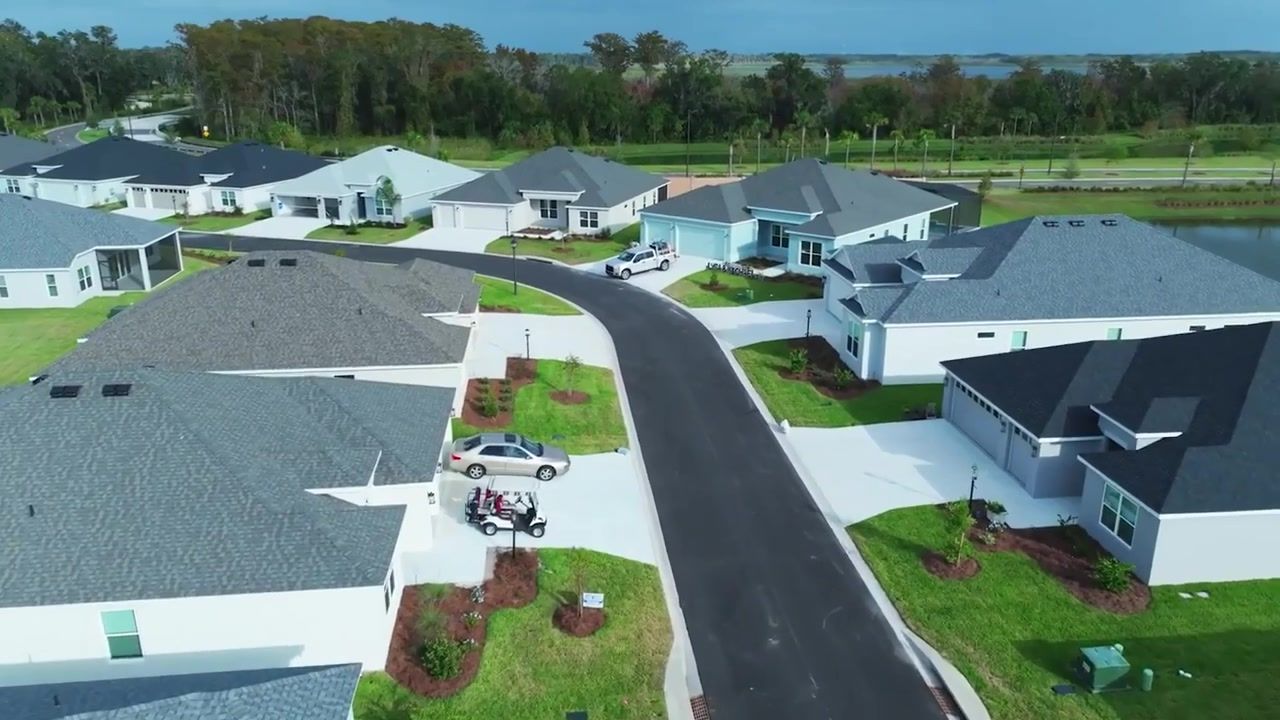
This is where personal preference becomes critical. Florida's humidity is relentless. Even in winter, the air feels heavy. Your clothes stick to you. Your hair does things you didn't know were possible. If you have respiratory issues, joint pain, or just a general intolerance for muggy weather, Florida summers are going to wear you down. The afternoon thunderstorms provide temporary relief, but they also mean you're planning your day around the weather. Outdoor activities happen early in the morning or not at all during peak summer months.
Las Vegas heat is intense, but it's a different experience. Dry heat means sweat evaporates. You can stand in 105-degree weather and feel uncomfortable but not suffocated. Shade actually provides relief. Pools are usable all summer because the water stays refreshing. You're not dealing with the same oppressive weight that comes with humidity. And once the sun goes down, temperatures drop 20 or 30 degrees. You can sit outside at night, have dinner on a patio, take an evening walk. That's not happening in Florida during summer.
Winter is where Florida has the edge for some people. It's genuinely warm and pleasant from November through March. You can wear shorts and sandals year-round. Las Vegas winters are mild by most standards, 60s and 70s during the day, but we do get cooler nights and the occasional cold snap where temperatures dip into the 40s. If you're someone who never wants to see a jacket again, Florida wins. If you appreciate seasonal variation without actual winter, Las Vegas delivers.
Hurricanes are a real consideration in Florida, even in central areas like The Villages. You're watching the forecast every summer. You're keeping supplies on hand. You're making evacuation plans even if you never have to use them. That psychological weight adds up over time. Las Vegas doesn't have natural disaster risk beyond the occasional flash flood in low-lying areas. Earthquakes are theoretically possible but extremely rare. You're not spending part of every year preparing for catastrophic weather.
Cost of Living and Taxes: Where Your Money Goes Further
Both states offer no income tax, which is a huge draw for retirees living on fixed incomes or pension distributions. But the cost of living comparison gets more nuanced when you dig into housing, utilities, and ongoing expenses.
Housing costs in The Villages vary widely depending on which village you're in and how close you are to amenities. Smaller homes start around $300,000, but many buyers are looking at $400,000 to $600,000 for something updated with a desirable location. HOA fees can range from $200 to over $500 a month depending on your neighborhood and what's included. You're paying for those town squares, the golf cart paths, the nightly entertainment, and the extensive recreation facilities whether you use them daily or once a month.
Las Vegas 55+ communities offer a broader range. You can find attached homes and smaller single-story properties starting in the high $200,000s in North Las Vegas. Henderson and Summerlin communities typically run $350,000 to $700,000 for single-family homes, with luxury options in guard-gated developments pushing over $1 million. HOA fees are generally lower here, often $100 to $300 a month, because you're not funding the same level of centralized programming. Each community manages its own clubhouse, pool, and fitness center, and the scale is smaller.
Utilities in Las Vegas are higher during summer because of air conditioning, but water bills are relatively low despite the desert climate. Florida's utility costs can spike during summer as well, and you're running AC nearly year-round because of the humidity. Homeowners insurance in Florida has become a serious issue in recent years, with rates climbing dramatically due to hurricane risk and insurance companies pulling out of the state. Nevada's insurance rates are stable and significantly lower.
Property taxes in both states are reasonable compared to high-tax states like California, New York, or Illinois. Florida offers a homestead exemption that caps annual increases, which provides long-term predictability. Nevada's property taxes are moderate, and many 55+ buyers are coming from states where they were paying two or three times as much.
Amenities and Lifestyle: Golf Carts vs The Strip
The Villages is built around a specific lifestyle. Golf carts are the primary mode of transportation within the development. You drive your cart to dinner, to the town square, to your friend's house three streets over. The town squares host live music every night, free entertainment that draws crowds of residents who dance, socialize, and make it a regular part of their routine. There are over 3,000 clubs and activities, covering everything from competitive sports to crafts to volunteer work. If you want structure and built-in social opportunities, it's all there.

But it's also insular. You're interacting almost exclusively with other retirees. The restaurants and shops within The Villages are controlled by the development. You're not discovering a new independent bistro or a quirky local bar. You're choosing from the approved options, and while they're generally fine, there's a sameness to it. If you want variety, you're driving to Ocala or Orlando, and that's a commitment.
Las Vegas gives you access to a completely different level of amenities. You can live in a quiet 55+ community in Henderson and be 15 minutes from the Strip. You can see world-class shows, eat at restaurants run by celebrity chefs, catch a Golden Knights game, or just walk the Strip and people-watch. You're not limited to what one development company decided to build. You have the entire city at your disposal.
Outdoor recreation here is spectacular. Red Rock Canyon is 20 minutes from Summerlin. Lake Mead is 30 minutes from Henderson. You have hiking, biking, kayaking, and rock climbing within easy reach. The mountains surrounding the valley offer cooler temperatures in summer and actual seasons. You can drive two hours to Zion or Bryce Canyon for a weekend. The Villages offers golf courses and walking paths, but you're in flat central Florida with limited natural scenery.
Many Las Vegas 55+ communities have their own clubhouses, fitness centers, pools, and social calendars. The difference is scale and intensity. You're not expected to participate in nightly entertainment or join 15 clubs to feel connected. The social scene exists, but it's more relaxed. You can engage as much or as little as you want, and you're not surrounded exclusively by retirees. You're part of a broader, more diverse city.
Healthcare and Services: Access When You Need It
The Villages has built extensive medical facilities within the development, including urgent care centers, specialty clinics, and hospitals. That's a significant advantage, you can get most of your healthcare needs met without leaving the community. For routine appointments and minor issues, it's incredibly convenient.
But for serious medical issues or specialized care, you're traveling to Orlando, Gainesville, or Tampa. Those are major medical centers, but they're not close. If you need ongoing treatment for a complex condition, that commute becomes a real burden.

Las Vegas has multiple hospital systems, including Sunrise, Valley Health, and University Medical Center. We have specialized care for cardiology, oncology, orthopedics, and neurology. The Cleveland Clinic just opened a facility here. You're in a major metropolitan area with access to top-tier healthcare without having to drive an hour to get it. Henderson and Summerlin both have excellent hospitals within 15 minutes of most 55+ communities.
Both markets have strong home healthcare and senior services, but Las Vegas benefits from being a larger, more diverse city with more options and competitive pricing.
Which Retirement Destination Is Right for You?
This isn't about one place being objectively better. It's about which trade-offs align with your priorities and personality.
Choose The Villages if you want a fully self-contained retirement community where everything is designed around one lifestyle. You like the idea of golf cart living, nightly entertainment, and a packed social calendar. You don't mind humidity and afternoon thunderstorms. You're comfortable being surrounded almost exclusively by other retirees. You want medical facilities and shopping within the development, and you're okay with limited access to big-city amenities.
Choose Las Vegas 55+ communities if you want more variety and independence. You like dry heat and sunshine without the humidity. You want access to world-class dining, entertainment, and professional sports. You value outdoor recreation and natural scenery. You prefer lower HOA fees and the flexibility to engage with the broader city. You want top-tier healthcare close by. You're looking for a retirement that doesn't require you to buy into one developer's vision of what your life should look like.
I've helped hundreds of retirees make the move to Las Vegas, and the ones who thrive here are the ones who appreciate having options. They like the idea of living in a quiet, age-restricted community but still being part of a vibrant, diverse city. They want sunshine and low taxes without sacrificing access to culture, healthcare, and entertainment. They're looking for a retirement that feels active and engaged without being programmed.
Conclusion
Retiring in a 55+ community is a major decision, and comparing Las Vegas to The Villages comes down to lifestyle fit more than objective metrics. Both offer no state income tax, warm weather, and active-adult communities with resort-style amenities. But the day-to-day experience is completely different.
The Villages is a self-contained world. It's massive, social, and designed around a specific vision of retirement. You're all-in on that lifestyle, and for many people, that's exactly what they want. Las Vegas offers something more flexible, multiple communities, diverse price points, access to a major city, and the freedom to design your retirement around your own interests rather than a developer's programming.
I've lived here for over 22 years, and I've watched this city evolve into one of the best retirement destinations in the country. The weather is incredible. The taxes are low. The amenities are world-class. And the 55+ communities we have here offer everything from affordable, low-maintenance living to luxury guard-gated estates.
If you're considering a move to Las Vegas and want to talk through which communities might be the best fit, I'm here to help. I know these neighborhoods inside and out, and I can walk you through the real trade-offs based on your priorities, budget, and lifestyle. Call or text me anytime at 702-710-6371. Whether you're moving from across town or across the country, I'll make sure your transition is smooth and stress-free.
FAQ: Las Vegas 55+ Communities vs The Villages
Is Las Vegas or The Villages more affordable for retirees?
Both offer no state income tax, but Las Vegas generally has lower HOA fees and more affordable homeowners insurance. The Villages requires higher monthly fees to fund its extensive amenities and infrastructure. Housing costs are comparable, but Las Vegas offers a wider range of price points across different communities. Utility costs are similar, though Florida's year-round humidity means you're running AC constantly.
Which location has better weather for retirees?
It depends on your tolerance for heat and humidity. The Villages has warm, humid weather year-round with daily thunderstorms in summer and hurricane risk. Las Vegas has dry heat, hotter in summer but far more comfortable because of low humidity. Winters in Las Vegas are mild with cooler nights, while Florida stays consistently warm. Las Vegas gets 300 days of sunshine and no hurricanes.
Do Las Vegas 55+ communities have the same social activities as The Villages?
Las Vegas communities offer clubhouses, fitness centers, pools, and organized activities, but the scale is smaller and less intensive. You're not expected to participate in nightly entertainment or join dozens of clubs. The trade-off is that you have access to the entire Las Vegas metro area, restaurants, shows, sports, and entertainment that go far beyond what any single development can offer.
Can people under 55 live in these communities?
Most 55+ communities follow an 80/20 rule, meaning 80% of households must have at least one resident 55 or older, but 20% can be younger. This allows some flexibility for younger spouses or family situations. The rules vary by community, so it's worth calling me at 702-710-6371 to discuss specific options if you're under 55 but interested in these neighborhoods.
How does healthcare access compare between the two locations?
The Villages has built medical facilities within the development, which is convenient for routine care. For specialized treatment, you're driving to Orlando or Tampa. Las Vegas has multiple hospital systems, specialized care centers, and the Cleveland Clinic, all within 15 to 20 minutes of most 55+ communities. You're in a major metro area with top-tier healthcare readily accessible.
Which location is better for outdoor recreation?
Las Vegas offers significantly more outdoor options. Red Rock Canyon, Lake Mead, and surrounding mountain ranges provide hiking, biking, kayaking, and rock climbing. You're two hours from national parks like Zion and Bryce Canyon. The Villages has golf courses and walking paths, but you're in flat central Florida with limited natural scenery and oppressive summer humidity that makes outdoor activity difficult for much of the year.
Micah Bleecher Group
Helping 55+ buyers, retirees, and relocation clients make confident Las Vegas real estate decisions with local expertise, patience, and genuine care.
Recent Posts