Retiring in Las Vegas can look like a dream on paper: sunshine, no state income tax, beautiful homes, great food, endless entertainment, and active 55+ communities. But a retirement move is too important to make based on a few sunny vacation days.
The real question is whether living in Las Vegas works for your daily life, your budget, your health needs, your relationships, and your idea of fun. I talked with people who have already made the move from places including Florida, Washington, Illinois, California, and Tennessee. Some had just unpacked. Others had been here for years. Their answers were refreshingly consistent, but they were also honest about the tradeoffs.
For many people, retiring in Las Vegas has been better than expected. Still, it is not for everybody. Here is the real-world perspective you should consider before making your move.
Table of Contents
- Why People Are Retiring in Las Vegas
- The Weather Is The Biggest Draw And The Biggest Test
- The Cost Of Retiring In Las Vegas Is Personal
- Living In Las Vegas Is More Than The Strip
- 55+ Communities Can Make Retirement More Active
- Making Friends After Moving To Las Vegas
- The Hardest Parts Of Living In Las Vegas
- How To Choose The Right Community For Retirement
- The Bottom Line On Retiring In Las Vegas
Why People Are Retiring in Las Vegas
The folks moving here are not all coming from California, despite what people love to say. I meet plenty of retirees from the Midwest, Florida, the Pacific Northwest, and across the country.
Some are escaping long winters. A couple coming from the Seattle area left when it was 34 degrees with snow on the ground and arrived to 80-degree weather in shorts. Others are leaving Florida after decades of humidity, rising insurance costs, and hurricane seasons. One retiree put it simply: enough hurricanes.
Then there are people returning because Las Vegas feels like home. They have friends here, family nearby, or years of history in the Valley. For them, retiring in Las Vegas is less about running away from something and more about coming back to a place that already feels familiar.
The reasons are personal, but a few themes came up over and over:
- Warm, dry weather and fewer winter concerns
- Proximity to children, grandchildren, friends, or the VA hospital
- Potentially lower property taxes, insurance, and utilities compared with their former home
- Newer homes and communities at a price that can feel more reasonable than coastal markets
- Activities, clubs, dining, shows, golf, trails, and community amenities
- A fresh start for the next chapter of life
The Weather Is The Biggest Draw And The Biggest Test
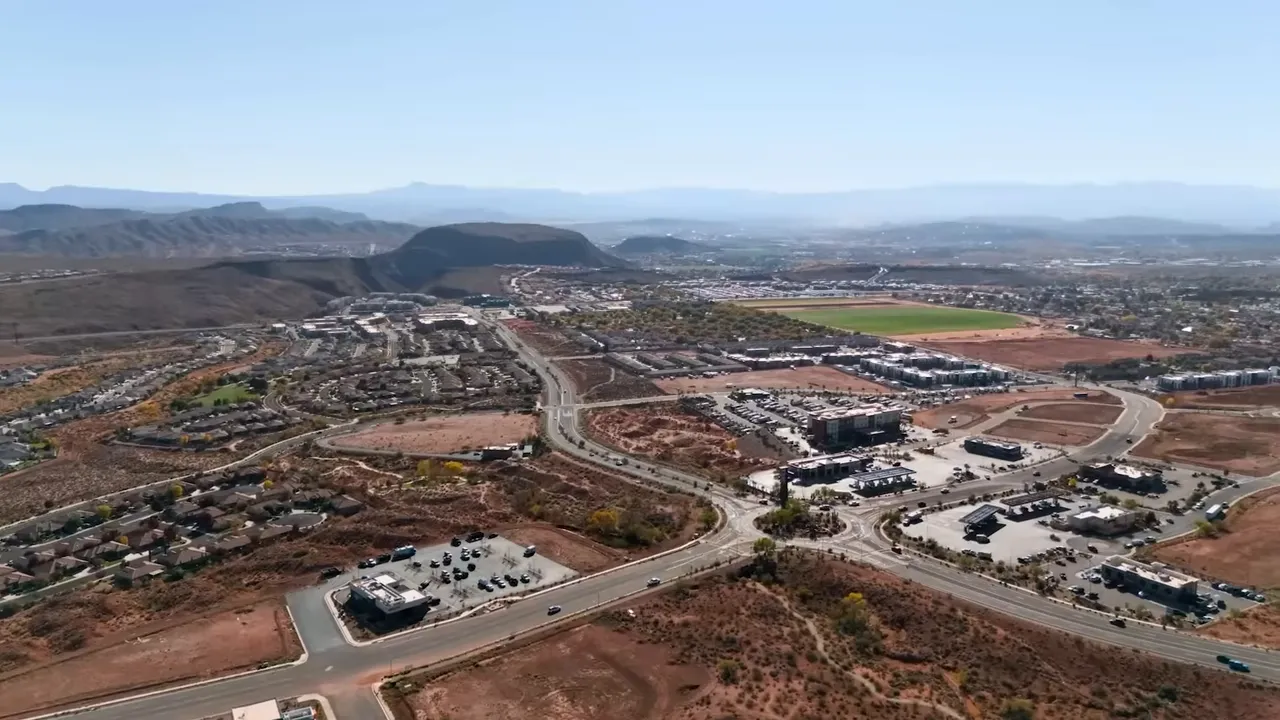
There is no way around it: the weather is a huge reason people consider retiring in Las Vegas. People love the low humidity, the lack of hurricanes, and the amount of sunshine. Several retirees said the weather was their favorite part of living in Las Vegas.
Even people who were nervous about living in the desert often said they were surprised by how green, landscaped, and home-like many neighborhoods feel. They expected tumbleweeds and bare sand. What they found were trees, parks, golf courses, bushes, walking paths, and established communities.
But the harsh truth is that summer heat is not a small detail. It is part of the deal. Two or three months of intense heat can be difficult, especially for anyone coming from a cooler climate. Yes, it is dry heat. That makes a difference for many people. It does not mean 110-plus degree days are automatically easy.
One local who had lived in humid places said that even 115-degree weather felt manageable because it was dry. That may be true for you, or it may not. The only honest way to know is to experience it yourself.
Do not make a retirement decision after visiting in perfect winter weather. Plan an extended stay between late spring and early fall. Get out in the afternoon. Drive around. Visit communities. Go to the grocery store, walk the paths, sit on the patio, and see how the heat feels in real life.
The Cost Of Retiring In Las Vegas Is Personal
Retiring in Las Vegas is not automatically cheap, and anybody who promises that it is should slow down. Your cost of living depends heavily on where you are moving from, the home you choose, your lifestyle, and how often you enjoy high-end restaurants or the Strip.
That said, many people interviewed found the move financially favorable. Retirees arriving from Washington, Illinois, California, Florida, and Tennessee often described housing, property taxes, insurance, or utilities as lower or comparable to what they had been paying.
One couple moving from the Seattle area had put an offer on a new home on a golf course for less than the price of the home they were selling. Another retiree said he had been paying more than $6,000 annually in property taxes before moving and expected to pay about half that amount here.
There are also tradeoffs. Groceries were mentioned as a little more expensive by one new resident. Gas prices change everywhere. Dining can be very affordable or very expensive depending on where you go. High-end meals on the Strip will absolutely hit the budget differently than neighborhood restaurants.
For a practical retirement budget, compare these line by line:
- Mortgage or home purchase price
- Property taxes
- Homeowners and auto insurance
- Electricity during summer months
- Water, gas, and internet
- HOA and club fees, if applicable
- Groceries, healthcare, prescriptions, and transportation
- Entertainment, dining, golf, travel, and hobbies
Nevada has no personal state income tax, which can matter significantly for some households. But sales tax and everyday expenses still need to be part of the calculation. Retiring in Las Vegas works best when the entire financial picture makes sense, not just one attractive number.
Living In Las Vegas Is More Than The Strip
One of the best surprises for newcomers is that living in Las Vegas is not all casinos, traffic, and neon. The Strip is there when you want it. It is not where most retirees spend every day.
There is remarkable food all over town, from local favorites to Chicago-style pizza and everything in between. Retirees also talked about concerts and shows, including Barry Manilow, Kelly Clarkson, and the Eagles at Sphere. If you enjoy live entertainment, it is hard to argue with the access here.
But the everyday lifestyle can be much quieter than people expect. Communities have parks, dog-friendly spaces, walking paths, clubhouses, golf courses, and outdoor gathering areas. There are neighborhoods where you can wake up to mountain views, enjoy a peaceful sunset, and barely feel connected to the tourist corridor.
That is the real difference between visiting Las Vegas and living in Las Vegas. You can have the excitement when you want it, then go home to quiet.
55+ Communities Can Make Retirement More Active
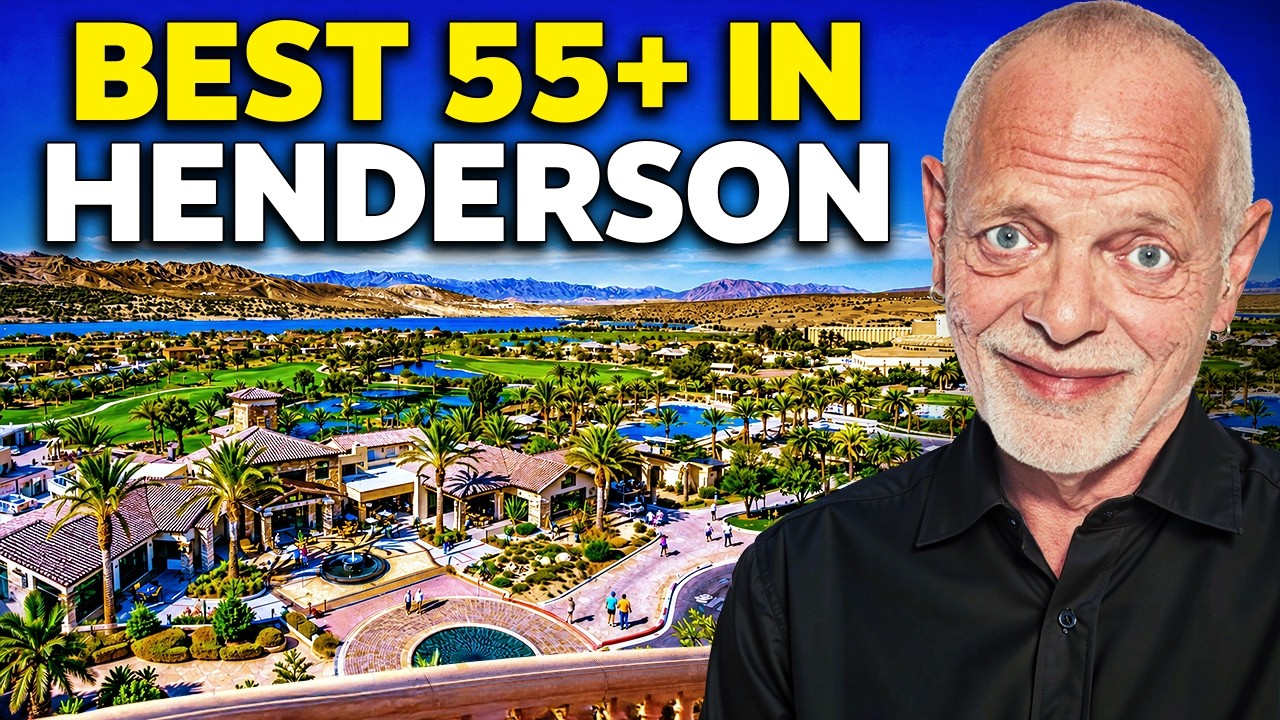
For many people, retiring in Las Vegas means considering a 55+ community. That can include places such as Sun City Summerlin, Sun City Anthem, Del Webb at Lake Las Vegas, and other active-adult neighborhoods throughout the Valley.
Some people initially resist the idea. One resident admitted she used to think of a 55+ community as feeling too old or too restrictive. Then she considered the amenities and realized she was doing herself a disservice by not looking. Five years later, she loves it.
These communities are not one-size-fits-all, but the appeal is clear. Residents talked about clubhouses, fitness opportunities, pickleball, bocce ball, woodworking, ceramics, jewelry-making, ham radio, electric-bike trails, live music, and social events.

One resident pointed out that facilities exist for almost any hobby. Another mentioned that tennis courts were being converted to pickleball courts because the demand was so strong. There are also communities where the social calendar is as full as you want to make it.
The important thing is to choose the community based on how you actually want to live. If you travel often, airport proximity may matter. If you want quiet, a more secluded community may feel better. If activities are your priority, research the clubhouse schedule and clubs before you buy.
Making Friends After Moving To Las Vegas
A retirement move is not only a housing decision. It is a people decision. Leaving family, longtime friends, nieces, nephews, and familiar routines can be the hardest part of relocating.
That came up often. One couple said leaving family was difficult, but being closer to their daughter in California outweighed that concern. Another resident said there were no real regrets, though missing old friends was still natural. The good news is that Las Vegas gives friends another reason to visit.
New residents repeatedly described their neighbors as friendly. They met people walking dogs, coming home from the grocery store, or simply introducing themselves after a move. In many 55+ communities, neighbors genuinely look out for one another, especially when somebody is away traveling.
Making connections requires a little effort, of course. Join the Facebook group. Stop by the clubhouse. Sign up for a club. Go to Friday-night live music. Try the hobby you always meant to try. The people who seem happiest after retiring in Las Vegas are usually the ones who get involved.
The Hardest Parts Of Living In Las Vegas
There were not many major regrets from the retirees I spoke with. A few literally searched for one and could not find it. But that does not mean there are no challenges.
The biggest issue is summer heat. You need a plan for it, and you need to be honest about your tolerance. Some people adjust beautifully. Others may find that the long hot stretch limits outdoor activities more than they expected.
Other challenges mentioned were smaller but real:
- The DMV does not earn a lot of praise.
- Growth is visible across the Valley, and some people may prefer slower-paced areas.
- Groceries or certain everyday costs may be higher than expected.
- Leaving loved ones behind can be emotionally difficult.
- Living near the Strip, dining at premium restaurants, or treating every week like vacation can get expensive.
For some retirees, the growth is a downside. For others, it is a positive sign that roads, services, and infrastructure are expanding. Your experience will depend on which part of the Valley you choose and what pace of life feels right.
How To Choose The Right Community For Retirement
The people who felt most confident about retiring in Las Vegas had done their research. They considered location, activities, home style, proximity to family, safety, quiet, and how the neighborhood felt on an ordinary day.
A beautiful home is important, but it is only part of the decision. Here are the questions worth asking before committing:
- How close do you want to be to the airport, healthcare, family, shopping, and entertainment?
- Do you want a gated 55+ community, a golf course setting, Lake Las Vegas, or a more traditional neighborhood?
- Which amenities will you genuinely use?
- How much HOA structure and monthly cost are comfortable for you?
- Will the home still work if mobility needs change over time?
- Do you prefer an active social environment or more privacy?
- Can you picture yourself there during July and August, not only January?
Several residents said their chosen community exceeded expectations because it was quiet, safe, beautiful, peaceful, and packed with options. Those are strong words, but they came from people actually living the lifestyle.
Retiring in Las Vegas does not mean settling for a generic retirement. You can find highly social communities, quiet golf-oriented neighborhoods, areas close to family, and places that make it easy to lock up and travel.
The Bottom Line On Retiring In Las Vegas
Retiring in Las Vegas is not for everyone. If you hate heat, need to be close to family elsewhere, or want a very different pace of life, another destination may be a better fit.
But for retirees who want sunshine, dry weather, access to healthcare, newer housing options, active communities, social opportunities, entertainment, and a fresh start, this city can be a wonderful fit. Many people who made the move said they had no regrets. Some said it exceeded their expectations.
The best advice came from retirees themselves: explore every alternative, compare communities carefully, and spend more than a short vacation here. If it feels right after you experience the real conditions, including the heat, then go for it. You may just find yourself staying forever.
Thinking about retiring in Las Vegas? Every retirement community and neighborhood offers a different lifestyle, amenities, and price point. If you're considering making the move, we'd be happy to help you explore your options and find the area that's the best fit for your retirement goals. Call or text: 702-820-0943

Frequently Asked Questions About Retiring In Las Vegas
Is retiring in Las Vegas affordable?
It can be, particularly for people moving from higher-cost markets. Retirees mentioned lower or comparable housing costs, lower property taxes, insurance savings, and potentially lower utilities. Costs still vary by neighborhood, home, lifestyle, HOA fees, and dining or entertainment habits.
What is the hardest part of living in Las Vegas after retirement?
The summer heat is the most common concern. New residents should spend meaningful time in the Valley between late spring and early fall before deciding whether retiring in Las Vegas is right for them.
Are 55+ communities a good choice for living in Las Vegas?
They can be an excellent fit for people who want clubs, activities, pickleball, fitness options, social events, walking paths, and neighbors in a similar stage of life. The best community depends on your preferred location, budget, travel habits, and lifestyle.
Can retirees make friends easily in Las Vegas?
Many newcomers say they meet friendly neighbors quickly, particularly in active-adult communities. Joining clubs, attending community events, participating in hobbies, and meeting neighbors on walks are practical ways to build a new social circle.
If you're considering retiring in Las Vegas and want help finding the right community for your lifestyle, budget, and long-term goals, I'd be happy to help. Call/text me at 702-820-0943 or book a FREE consultation to get personalized guidance and answers to all your questions before you make your move.
READ MORE: Are 55+ Communities In Las Vegas Really a Bad Idea?