
When we talk about retiring in Las Vegas, most people immediately picture casinos, the Strip, and big shows. Sure, all of that is here. But that is not why so many people are choosing Las Vegas over Arizona, Florida, the Carolinas, and plenty of other retirement destinations.
The real story is a practical one. People are moving here for tax advantages, sunshine, active communities, travel access, outdoor recreation, and the opportunity to get more out of the money they worked hard to save. For many of us, retiring in Las Vegas means building a life that feels easier, more social, and more enjoyable without giving up access to great food, healthcare, entertainment, and family travel.
Table of Contents
- Why Are So Many People Retiring in Las Vegas?
- Who Is Moving to Las Vegas?
- Location, Travel, and the Outdoor Side of Las Vegas
- Should We Choose a 55 Plus Community or a Regular Neighborhood?
- Popular 55 Plus Communities for Retiring in Las Vegas
- Cost of Living, Utilities, and Healthcare
- What Could the Las Vegas Housing Market Look Like in 2026?
- Important Steps After Moving to Nevada
Why Are So Many People Retiring in Las Vegas?
There are three big reasons retirees keep coming here: taxes, weather, and lifestyle. The Strip is a nice bonus, but most locals do not spend much time down there. We leave it to the tourists most of the time, then enjoy it when a special concert, dinner, show, or visiting family gives us a reason to go.
Taxes can make a meaningful difference
Nevada has zero state income tax. That means no state tax on Social Security benefits, pension income, or retirement-account withdrawals. For people coming from California, New York, Illinois, and other high-tax states, that can mean thousands of dollars remaining in the household budget each year. For some retirees, it can mean a whole lot more.
Nevada also has no estate tax or inheritance tax. Property taxes tend to be lower than the national average, although the bill depends on the home, its assessed value, and whether it is newer construction. Older homes that have appreciated over time can have relatively low property-tax bills because of Nevada's annual tax cap.
For retirees who plan to consult, open a small business, or keep working part time, Nevada's lack of corporate, franchise, and inventory taxes can be another attractive part of retiring in Las Vegas.
Sunshine is a major lifestyle upgrade
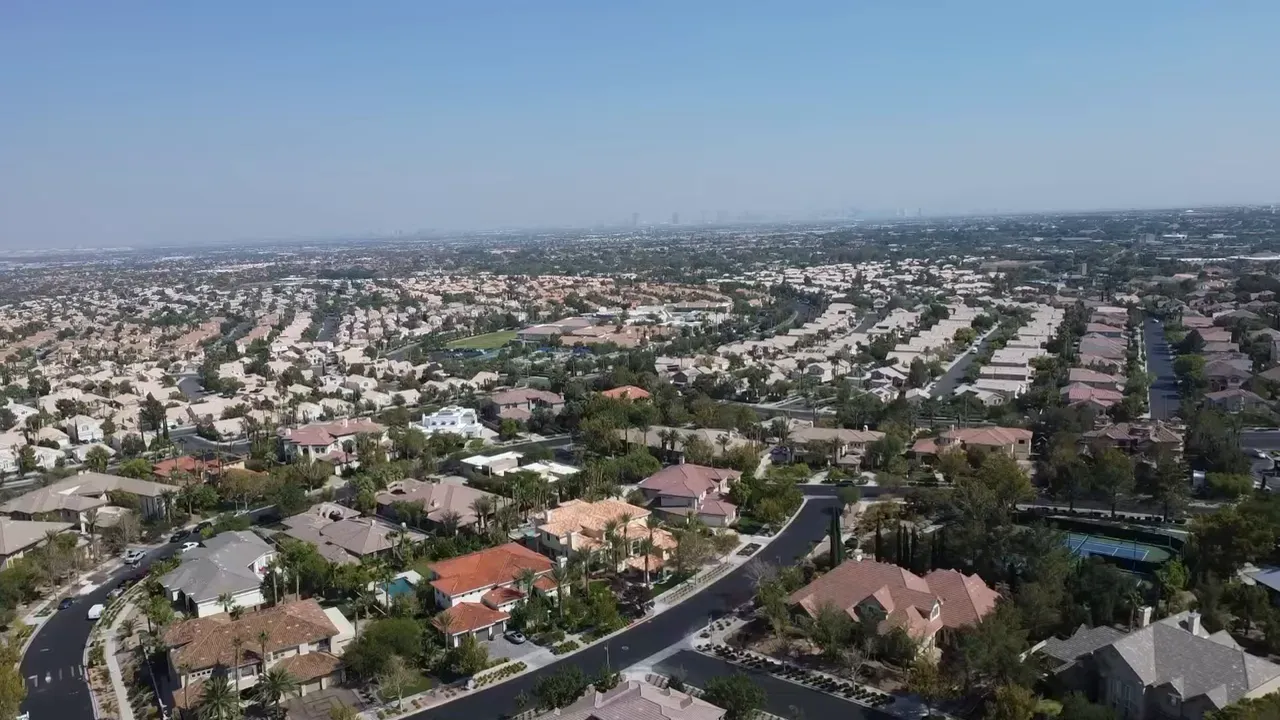
We are not going to sugarcoat it. Las Vegas gets hot in the summer, and some days top 110 degrees. But the rest of the year is why many people love it here. The coldest period is generally December, when temperatures can occasionally reach the 30s. Most winter days are much more pleasant, often reaching the 50s, 60s, or 70s.
Spring and fall are downright wonderful. Doors are open, patios are busy, and it is easy to be outside. With around 300 sunny days per year, retiring in Las Vegas can feel like a dramatic change for anyone leaving cold, gray weather behind.
Family visits become easier and more exciting
A lot of people choose a home with an extra bedroom or casita because they know the kids and grandkids are more likely to visit Las Vegas. Flights are often affordable, Harry Reid International Airport is convenient, and there is no shortage of things to do together.
World-class restaurants, classic rock concerts, Cirque Du Soleil, comedy, professional sports, the Sphere, and great local dining are all available. Most of that entertainment is optional. That is the beauty of it. It is there when we want it, but daily life is usually about neighborhoods, trails, pools, fitness centers, friends, and community activities.
Who Is Moving to Las Vegas?
There is no single type of person retiring in Las Vegas. Recent arrivals include doctors, lawyers, college professors, entrepreneurs, retired military members, civil servants, police officers, retired real estate professionals, and people who have spent decades building businesses and savings.
California is the biggest source of new residents, but retirees also come from Washington, Oregon, Florida, Illinois, Indiana, New York, New Jersey, Delaware, Washington, DC, and communities up and down the East Coast.
The reasons for leaving are familiar:
- High state taxes and rising costs
- Cold weather or too many gray days
- Hurricanes, natural-disaster risk, and rising insurance costs
- Crowding and traffic in larger metro areas
- A desire to stretch retirement dollars further
Some people sell a high-value home elsewhere and downsize into a $500,000 or $600,000 home here, leaving more money for travel and experiences. Others do exactly the opposite. They have lived conservatively for decades, saved their money, and are ready to finally buy the home and lifestyle they always wanted.
Retiring in Las Vegas is not always an immediate decision, either. Some folks begin planning five years ahead. They downsize slowly, get organized, follow the local market, and make the move when the time is right.
Location, Travel, and the Outdoor Side of Las Vegas
Las Vegas is positioned beautifully for retirees who want easy travel and plenty of outdoor choices. Harry Reid International Airport makes it easy to get in and out of town, and having convenient flights is a big deal when family is spread across the country.
Then there is the desert Southwest. Retiring in Las Vegas does not mean giving up the outdoors. It means having a lot more access to it than many people expect.
Red Rock Canyon, lakes, mountains, and parks
Red Rock Canyon sits roughly 20 minutes west of the Strip near Summerlin. It offers 27 trails, from short accessible routes to much longer hikes. We can get a quick dose of natural beauty or make a full day of it. There are even ancient petroglyphs visible after a short walk in the area.
Lake Mead and Hoover Dam are about 45 minutes east. Mount Charleston is around 45 minutes northwest and can be about 20 degrees cooler during summer. When the valley heat is kicking, that cooler mountain air is a serious escape option.
Valley of Fire and Zion National Park are within a couple of hours, and local walking options are extensive. Las Vegas has more than 1,000 miles of walking trails. The paid AllTrails app can help identify routes throughout the valley, while Clark County's free Neon to Nature app highlights local trails.
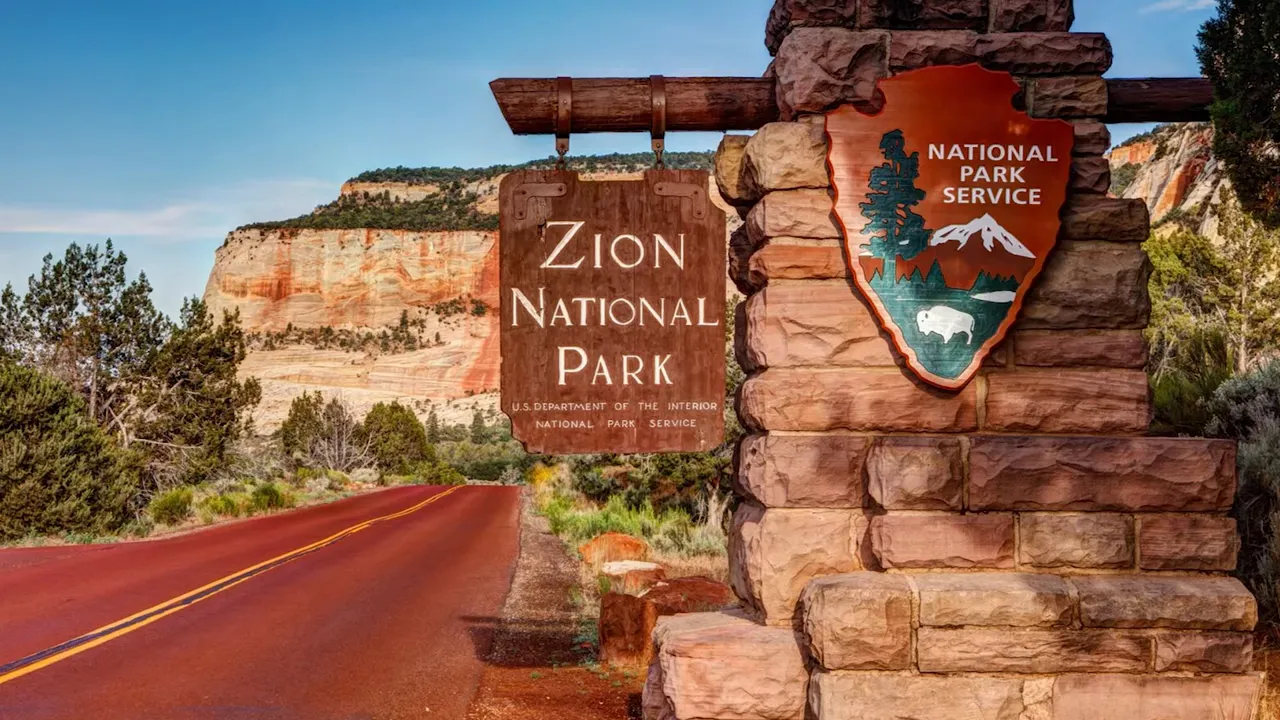
For anyone 62 or older, the lifetime senior national park pass is worth considering. It provides access to Red Rock and national parks across the country for a one-time fee. That is a heck of a deal for active retirees.
Should We Choose a 55 Plus Community or a Regular Neighborhood?
This is one of the biggest decisions when retiring in Las Vegas. Neither answer is automatically right. It comes down to the kind of life we want to live.
Why 55 plus communities work so well
The biggest draw is social connection. In an age-restricted community, people tend to have similar schedules. On a Monday afternoon, neighbors may be playing mahjong, cards, billiards, golf, pickleball, or working out instead of heading to work or managing school pickups.
Many 55 plus communities also have extraordinary volunteer networks. Depending on the community, volunteers may help with simple household needs, rides to appointments, mobility equipment, minor tasks around the home, and general neighbor-to-neighbor support.
Homes are typically designed with aging in place in mind. They are often single story, have fewer stairs, wider doorways, and layouts that can make day-to-day living easier over time. And yes, peace and quiet matters. A lot of retirees are simply done with scooters, kids racing around, and a busy family-neighborhood rhythm.
When a regular neighborhood is the better fit
A regular neighborhood may be the better move if grandchildren or other family members under 18 will live with us. Age-restricted communities have rules on permanent residents and guest stays, so extended summer visits or raising a grandchild can make a standard neighborhood necessary.
We may also need more space for an RV, boat, desert toys, classic cars, gardening, fruit trees, or a larger workshop. Most 55 plus communities do not allow long-term RV parking, other than limited loading periods. A larger lot in a regular neighborhood provides more room and flexibility.
There are also country club and luxury condo lifestyles. Country clubs may offer golf, fine dining, wine lockers, and an elevated social experience. Luxury condos can offer a low-maintenance lifestyle with no yard mowing or exterior upkeep.
Popular 55 Plus Communities for Retiring in Las Vegas
There are more than 28 age-restricted communities across Henderson, Summerlin, North Las Vegas, Las Vegas, Mesquite, and Pahrump. We have big, amenity-packed communities, smaller and quieter options, guard-gated choices, townhomes, golf course settings, and communities with some RV-garage options.
Sun City Summerlin
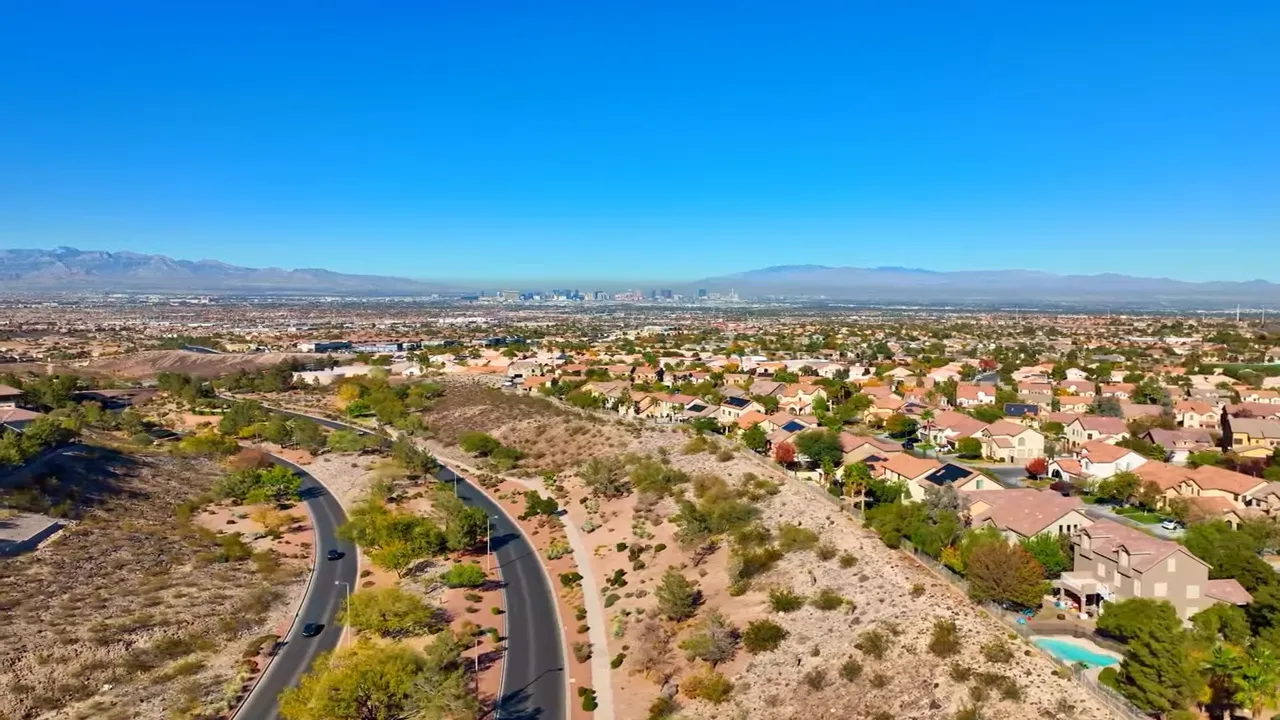
Sun City Summerlin is on the west side of town in north Summerlin. It is one of the major players, with three golf courses, four clubhouses, and the Starbright Theatre for regular performances. Homes commonly range from around $400,000 to $1.2 million, though renovated golf-course and view homes can reach higher.
Sun City Anthem
Sun City Anthem is in Henderson on the southeast side of the valley. It offers views of Black Mountain, the Las Vegas Valley, and in some areas, the Strip. It has three clubhouses, two golf courses, a showroom, and several pools. Homes commonly range from around $400,000 to $1.2 million, with some higher-priced exceptions.
Both Sun Cities are impressive, but they are not for everyone. Some people love all the action. Others want a smaller, quieter community with amenities available when they feel like using them.
Del Webb at Lake Las Vegas and Heritage at Cadence
Del Webb at Lake Las Vegas has a true resort feel in Henderson, near a 320-acre man-made lake. The area was originally designed around an Italian lake aesthetic, though the architecture now includes Tuscan, contemporary, and modern styles. Homes generally range from about $500,000 to $1.5 million depending on views and upgrades.
Heritage at Cadence is nearby and has more modern layouts, growing retail around it, and some models with RV garages. Homes have generally started around the $400,000 range and can reach the $700,000s or higher.
More communities to consider
- Trilogy at Sunstone: A resort-style community in the northwest, near the Lee Canyon turnoff and Mount Charleston.
- Del Webb at North Ranch: A newer North Las Vegas community with walkable access to Sprouts, lower taxes, and no special improvement taxes.
- Solera at Stallion Mountain: A smaller guard-gated Del Webb community on the east side, with low HOA fees and many golf course homes.
- Los Prados: A guard-gated community with both age-restricted and regular sections, plus an area for RV parking.
Retiring in Las Vegas gives us choices across every personality type. The key is getting honest about whether we want a big social calendar, quiet amenities, security, lake views, golf, RV space, or a maintenance-free condo.
Cost of Living, Utilities, and Healthcare
Las Vegas is slightly above the national average in overall cost of living, but it can feel very affordable compared with Seattle, Los Angeles, San Francisco, and similar large cities. If we are moving from a small town with very low costs, it may feel more expensive.
Housing and everyday expenses
Housing is the largest expense. Resale homes suitable for retirees commonly fall in the $400,000 to $700,000 range, depending on community and amenities. There are options in the $300,000 to $400,000 range in places such as Los Prados and Solera at Stallion Mountain. At the other end, homes in Sun City communities and Trilogy can reach well over $1 million.
Summer utilities require real planning. A typical electric bill may run around $200 to $400 per month, while a large, older, less-efficient home can reach $600 or $700 during the hottest months. Desert landscaping helps keep water use down, and the Southern Nevada Water Authority offers a turf-removal program for qualifying grass conversions.
Groceries are somewhat above the national average. Transportation is below average overall, though gas and auto insurance can sting. Public buses are available, but this is not a city where we should expect world-class public transit. Most retirees are going to want a car.
Healthcare is available, but plan ahead
Healthcare matters a whole lot when retiring in Las Vegas. The valley has hospitals and medical centers throughout town, including Sunrise Health System, Dignity Health, Rose Dominican, and University Medical Center. UMC is one of the stronger trauma centers in the area.
At the same time, some specialties can have shortages. Rheumatology is one example. Healthcare is available, but it is not perfect. Before relocating, we should confirm that our doctors, insurance coverage, specialists, prescriptions, and appointment needs will work for us here.
What Could the Las Vegas Housing Market Look Like in 2026?
We do not have a crystal ball, and anyone claiming to know exactly where prices will go is making a guess. Home prices have risen significantly since 2020, roughly in line with many other markets across the country. That does not guarantee future gains, and it does not automatically mean a crash is around the corner either.
There has been more inventory, roughly four months' worth when last checked, and well-priced homes can still sell quickly with multiple offers. Looking toward 2026, we may see inventory continue to increase as more homeowners eventually decide to move despite holding low-interest mortgages.
A balanced market is often considered around six months of inventory. That could become possible by the end of 2026, but the national economy and interest rates will have a lot to say about it. Lower interest rates could bring more demand back into the market quickly.
Here is what matters most for many retirees: time. Retiring in Las Vegas is not always about waiting for the perfect market. It is about asking how to make the move work with the money, health, goals, and time we have today. Waiting for a dramatic price crash may not produce the result people hope for, especially if falling prices arrive alongside a major economic downturn that hurts investments.
Important Steps After Moving to Nevada
Once we make the move, a few practical legal and tax steps deserve attention.
- File a declaration of homestead. This can protect up to $650,000 of equity in a home in the event of certain judgments or lawsuits. The form is free, though some mailers may try to charge for it. It simply needs to be completed and notarized.
- Establish Nevada residency correctly. This is especially important for anyone moving from a high-tax state. We want to make sure Nevada is clearly our domicile so the former state does not attempt to challenge the move and seek additional taxes.
- Speak with qualified professionals. A CPA or estate-planning attorney can help us understand residency, tax, estate, and personal planning issues based on our own circumstances.
Retiring in Las Vegas is about more than buying a house. It is about finding the place where we can enjoy the next chapter, stay active, see the people we love, make new friends, and get more life out of our retirement dollars.
Planning to Retire in Las Vegas?
Your retirement home should fit the life you want to live not just your budget. Call me at 702-820-0943 to talk through your goals, lifestyle, and the Las Vegas communities that may be the right fit.
Frequently Asked Questions About Retiring in Las Vegas
Is Las Vegas a good place to retire in 2026?
Las Vegas can be a strong retirement choice for people who value no state income tax, sunny weather, outdoor access, entertainment, and a wide selection of 55 plus and regular-home communities. The right fit depends on budget, heat tolerance, healthcare needs, and desired lifestyle.
Does Nevada tax Social Security or pension income?
Nevada has no state income tax, so Social Security benefits, pension income, and retirement-account withdrawals are not subject to Nevada state income tax.
How much does it cost to buy a retirement home in Las Vegas?
Many resale homes for retirees fall roughly between $400,000 and $700,000, depending on location and amenities. Some communities have homes in the $300,000 to $400,000 range, while premium homes can exceed $1 million.
Can grandchildren stay in a 55 plus community in Las Vegas?
Usually, grandchildren can visit for limited periods, but rules vary by community. If a child under 18 will live in the home or stay for extended periods, a regular neighborhood may be the better choice.